

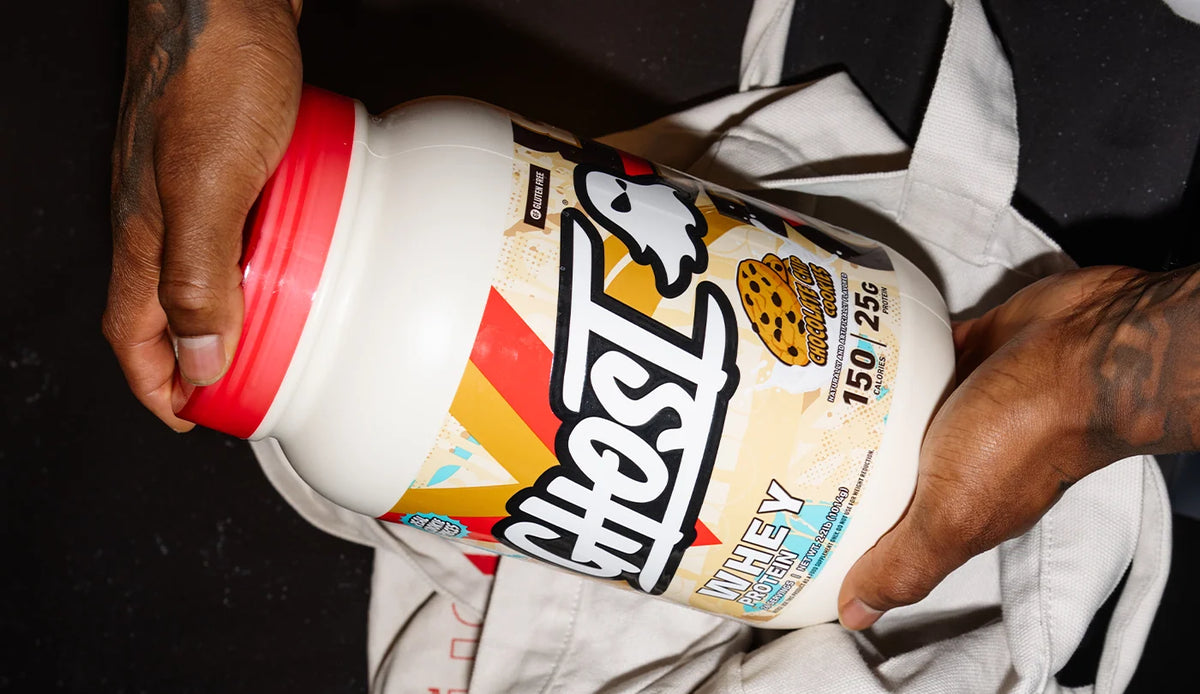
Protein powder is one of the most popular supplements in New Zealand, and also one of the most misunderstood. Spend five minutes in a gym, a smoko room or at a family barbecue and you'll hear the same claims: it makes you bulky, it wrecks your kidneys, and if you don't drink it within 30 minutes of training you've wasted it.
Most of it is wrong, and some of it is half-right. A couple of points are genuinely worth knowing. Below we work through the 10 protein powder myths we hear most often in store, what the research actually says, and which whey protein side effects are real and easy to fix.
Protein Powder Myths at a Glance
| Myth | Reality |
|---|---|
| Protein powder makes you bulky | Size comes from training and a calorie surplus, not a scoop of protein |
| It's bad for your kidneys | No evidence of harm in healthy people |
| You have a 30-minute window | Total daily protein matters far more than timing |
| You can only absorb 30g at once | Your body absorbs all of it; larger doses are just used over a longer period |
| It's only for bodybuilders | It's simply food protein in a convenient form, useful for almost anyone |
| Women shouldn't use it | Women benefit just as much, especially for muscle and bone health |
| Plant protein can't build muscle | A well-formulated plant blend works very well |
| It's a meal replacement | Standard protein powder isn't; dedicated meal replacements are |
| It makes you gain weight | Calories drive weight gain, and protein is the most filling macro |
| It's unnatural and full of chemicals | Whey is a by-product of cheesemaking, filtered and dried |
Myth 1: Protein Powder Makes You Bulky
This is the most common protein powder myth, and the easiest to bust. Protein powder is just protein, the same nutrient found in chicken, eggs, yoghurt and steak, in a form you can drink. A scoop of whey has roughly the same protein as a small chicken breast. Nobody has ever got accidentally huge from eating chicken.
Building noticeable muscle takes months or years of progressive training, enough sleep and, for real size, eating more calories than you burn. Protein supports that process; it doesn't cause it on its own. If you're after lean, athletic muscle rather than bulk, protein is still your friend. It just helps you recover and hold onto the muscle you've worked for.
For an everyday option, Basic Supplements Whey Protein Blend is third-party lab tested and comes in a stack of dessert-style flavours. You'll find more in our whey protein range and our build lean muscle collection.
Myth 2: Protein Powder Is Bad for Your Kidneys
This one sounds scary, but the evidence doesn't back it up for healthy people. A 2018 meta-analysis published in The Journal of Nutrition found that higher-protein diets didn't meaningfully change kidney function in healthy adults compared with lower or normal protein intakes.
The myth likely comes from advice given to people who already have kidney disease. For them, protein intake does need to be managed. If that's you, talk to your GP before changing your diet. For everyone else, a sensible protein target and good hydration are all you need.
Not sure what "sensible" looks like? Our guide to how much protein you need by bodyweight and goal breaks it down.
Myth 3: You Must Drink It Within 30 Minutes of Training
The "anabolic window" has kept plenty of Kiwis sprinting from the squat rack to their shaker. The good news is that you can relax. Research comparing protein timing strategies has consistently found that total daily protein intake is the biggest driver of results, not exactly when you drink your shake.
The window is more like a few hours either side of training. Timing matters a little more if you train fasted first thing in the morning, because it's been a long time since your last meal. Otherwise, hit your daily target and spread it across the day.
If you're short on time after the gym, a Grenade Protein Bar (20g protein, under 2g sugar) or something from our protein RTDs range does the job without a shaker. For the full breakdown, read Protein Timing for Muscle Growth: Does It Actually Matter?
Myth 4: Your Body Can Only Absorb 30g of Protein at Once
This myth mixes up two different things: absorption and use. Your gut absorbs virtually all the protein you eat; a bigger serve simply takes longer to digest. A 2023 study found that a 100g protein dose produced a longer-lasting muscle-building response than a 25g dose, so the excess wasn't wasted.
That said, spreading protein across the day still makes practical sense. Three to five feeds of roughly 20–40g each is an easy, effective pattern. A product like Dymatize ISO100 Whey Protein Isolate fits that perfectly, with 25g of protein and 2.6g of leucine (the key amino acid for muscle growth) per serve.
Myth 5: Protein Powder Is Only for Bodybuilders
Protein powder is simply a convenient protein source. That makes it useful for a much wider group of people:
- Busy workers who skip breakfast or rely on carb-heavy lunches
- Runners and endurance athletes who need to recover between sessions
- Anyone cutting body fat who wants to protect their muscle
- Older adults trying to slow age-related muscle loss
- People who struggle to eat enough protein from food alone
If you can hit your daily target with food, great. If you can't, a shake is an easy fix. Browse the full protein powder range to find a format that suits your day.
Myth 6: Women Shouldn't Use Protein Powder
This is the bulky myth again, with a gender twist. Women naturally have much lower testosterone levels than men, so building large amounts of muscle is even harder. Protein helps women build strength, recover from training and stay fuller between meals.
It becomes even more important with age, as muscle and bone density decline. We cover this in detail in Best Supplements for Women Over 40 NZ: Strength & Bone Health.
Not a fan of thick, milky shakes? Nexus Super Protein Water mixes with water into a light, juice-style drink with 21.1g of protein and around 90 calories per serve. Because it's collagen-based, it's best as a top-up alongside a complete protein rather than your main muscle-building source. Our whey protein vs collagen breakdown explains why. See the full protein water range for more options.
Myth 7: Plant Protein Can't Build Muscle
Plant proteins used to have two weaknesses: incomplete amino acid profiles and a gritty texture. Modern blends have largely solved both. Combining protein sources such as pea, faba bean and nut proteins fills in each one's amino acid gaps, giving you a profile that supports muscle growth. You may just need a slightly larger serve to match whey's leucine content.
The Macro Mike range is a good example of how far plant protein has come:
- Macro Mike Peanut Plant Protein blends roasted peanut, pea and faba bean protein for a creamy, genuinely nutty shake
- Macro Mike Premium Almond Protein pairs almond and faba bean for the most dessert-like flavours in the range
- Macro Mike Golden Smooth Pea Protein delivers 23g+ protein per serve and is made without nuts
Explore the full plant-based protein range, compare the two in Plant-Based Protein vs Whey: Which Is Better in 2026?, or see our top picks in Best Vegan Protein Powder NZ 2026.
Myth 8: Protein Powder Is a Meal Replacement
A standard protein powder does one job: it adds protein. Swapping lunch for a scoop of whey and water leaves you short on carbohydrates, healthy fats, fibre and micronutrients, and you'll probably be hungry again within the hour.
A proper meal replacement is formulated differently. Macro Mike Macro Shake Meal Replacement, for example, delivers 28g+ of plant protein, around 6g of fibre and a full A–Z vitamin and mineral blend in each serve. That makes it a genuine option for rushed mornings or desk lunches. Even then, it works best alongside a balanced diet rather than replacing every meal. Find more in our meal replacement range.
Myth 9: Protein Powder Makes You Gain Weight
Your weight comes down to total calories in versus calories out. A typical protein shake mixed with water is fairly low in calories, and protein is the most filling of the three macronutrients. That's why protein is a cornerstone of most fat loss plans, not a barrier to them. Check out our lose body fat collection if that's your goal.
If you actually want to gain weight, a standard protein powder probably won't be enough on its own. That's what mass gainers are for. Basic Supplements Mass combines protein and carbohydrates in a high-calorie shake built for hard gainers and bulking phases. Browse the full mass gainers range.
Myth 10: Protein Powder Is Unnatural and Full of Chemicals
Whey is the liquid left over when milk is turned into cheese. It's filtered to concentrate the protein, then dried into a powder. New Zealand's dairy industry is one of the biggest whey producers in the world, so it's a familiar process here.
Flavours and sweeteners are added to make it taste good, and quality does vary between brands. The simple fix is to choose products that are independently tested:
- Basic Supplements Whey Protein Blend is third-party lab tested for label accuracy and purity
- Dymatize ISO100 is banned substance tested
- Grenade Protein Bars are tested by Informed Sport
Whey Protein Side Effects: What's Actually Real
Whey protein is safe for most people, but a few side effects are real. They're usually mild and easy to sort.
Bloating and Gas
This is the most common complaint, and it usually comes down to lactose. Whey concentrate contains small amounts, which can upset people with lactose sensitivity. Switching to a whey protein isolate, which is filtered to remove most of the lactose, often fixes it. Our Whey vs Isolate guide covers the differences in detail.
Sweetener Sensitivity
Some people find certain artificial sweeteners or sugar alcohols disagree with their gut. If isolate doesn't help, try a different brand or a naturally sweetened plant protein.
Skin Breakouts
Some studies have linked dairy and whey to acne in people who are prone to it, though the evidence is limited. If you notice a pattern, a plant-based protein is an easy swap.
Milk Allergy
A true milk allergy is different from lactose intolerance. If you have one, avoid whey entirely and stick to plant proteins.
The Bottom Line
Protein powder isn't magic, and it isn't dangerous. It's a convenient, cost-effective way to hit your daily protein target. Treat it as a supplement to good food rather than a substitute for it, choose a format that suits your gut and your goals, and focus on consistency over timing.
Ready to pick one? See our top-ranked whey options in Best Protein Powder NZ 2026: Top 5 Whey Proteins Ranked. And if you've heard a few wild claims about creatine too, we've busted those in Creatine Myths: 10 Things Kiwis Still Get Wrong in 2026.
This article is general information only and isn't a substitute for medical advice. If you have a health condition, are pregnant or take medication, check with your GP before starting any new supplement.

Leave a comment
All comments are moderated before being published.
This site is protected by hCaptcha and the hCaptcha Privacy Policy and Terms of Service apply.