

Creatine is the most researched supplement in sports nutrition — and somehow still the most misunderstood. Decades of peer-reviewed trials have consistently shown it to be safe and effective, yet the same handful of myths keep circulating at the gym, in comment sections, and across social media.
The result is that plenty of Kiwis who'd genuinely benefit from creatine never touch it, and plenty who do take it are getting it wrong. So let's clear things up. Here are the ten most persistent creatine myths, and what the evidence actually says.
Myth 1: Creatine is a steroid
This is the big one, and it's completely wrong. Anabolic steroids are synthetic hormones that mimic testosterone and act directly on your endocrine system. Creatine is an organic compound made from three amino acids — arginine, glycine and methionine — and your liver and kidneys already produce roughly 1–2g of it every day.
You also eat it. Red meat and fish contain creatine naturally, though you'd need to get through around a kilogram of steak to match a single 5g scoop. Creatine works by topping up your muscles' phosphocreatine stores, which helps regenerate ATP during short, explosive efforts. It doesn't alter your hormones. It's legal, it's not on the WADA prohibited list, and it's available over the counter throughout New Zealand.
Myth 2: Creatine damages your kidneys
This myth traces back to a misreading of blood tests. Creatine supplementation raises creatinine — a normal waste product that doctors use as a marker of kidney function. Higher creatinine can look alarming on a lab report, but in this case it reflects a larger creatine pool in your muscles, not kidney damage.
Long-term studies in healthy adults, some running five years or more, have found no adverse effect on kidney function at standard doses. The International Society of Sports Nutrition's position stand describes creatine monohydrate as safe for healthy individuals when used as directed.
The sensible caveat: if you have existing kidney disease, are on medication that affects renal function, or you're pregnant, talk to your GP first. And mention creatine before any blood test so your results are read in context.
Myth 3: Creatine makes you bloated and puffy
Creatine does increase water content in your muscles — that's part of how it works. Drawing fluid into muscle cells supports the cellular environment for growth and can make muscles look and feel fuller. This is intramuscular water, not subcutaneous water sitting under your skin, so the "puffy" look people worry about isn't really what's happening.
Most of the genuine bloating complaints come from loading protocols, where people take 20g a day in the first week, or from taking a large dose on an empty stomach. Skip the loading phase and stick to 5g daily and most people notice nothing at all.
If you're particularly sensitive, CON-CRET Creatine HCl is a more concentrated form dosed by body weight, which suits people who've had digestive trouble with standard monohydrate.
Myth 4: You have to load creatine
You don't. Loading — around 20g a day split into four doses for five to seven days — saturates your muscles faster, in roughly a week rather than three to four. That's the only advantage, and for most people it isn't worth the stomach discomfort.
A steady 5g daily reaches exactly the same saturation point. It just takes a bit longer to get there.
| Approach | Protocol | Time to full saturation | Best for |
|---|---|---|---|
| Loading phase | 20g daily (4 x 5g) for 5–7 days, then 5g daily | About 1 week | Athletes with a competition or event on a deadline |
| Standard dosing | 5g daily from day one | 3–4 weeks | Almost everyone else |
Myth 5: Creatine causes hair loss
This one rests on a single study from 2009 involving 20 rugby players, which found an increase in DHT — a hormone associated with male pattern baldness — during a creatine loading phase. That study measured a hormone. It did not measure hair loss, and no participant was reported to have lost hair.
In the years since, no study has demonstrated that creatine causes balding, and reviews of the wider literature haven't found a consistent effect on DHT either. Male pattern baldness is overwhelmingly driven by genetics.
Could a larger, better-designed trial change the picture one day? Possibly. But right now the claim rests on one small study that's been stretched well beyond what it actually showed.
Myth 6: Creatine is a men's supplement
Creatine sat in the "blokes only" box for years, and it's still one of the most common reasons women give for avoiding it. The research doesn't support that split at all.
Women typically carry lower baseline creatine stores than men, which means supplementation may make a meaningful difference to strength and training output. Interest in creatine among women has climbed sharply, and there's growing attention on its role in bone health, cognitive function and support through perimenopause and beyond.
The dose is the same — 5g daily. And no, it won't make you bulky. Creatine helps you train harder; your training and nutrition determine what you build. We've covered this in depth in our guide to creatine for women and what Kiwi women need to know in 2026.
Myth 7: You need to cycle off creatine
The idea that your body will stop producing its own creatine, or that receptors will "downregulate", isn't supported by the evidence. Endogenous production does dip slightly while you supplement, and it returns to normal within weeks of stopping. There's no rebound penalty and no withdrawal.
Cycling actually works against you. Stop taking creatine and your muscle stores gradually drain over four to six weeks, meaning you spend part of every cycle operating below saturation for no benefit.
Consistency is the entire game with creatine, which is where format matters more than people expect. If remembering a daily scoop has been your sticking point, Swoleys Sour Creatine Monohydrate Gummy Bears deliver a full 5g per serve with no shaker required.
Myth 8: Creatine causes cramping and dehydration
Reviews of the research have repeatedly failed to find a link, and several studies have found the opposite — athletes training in heat while supplementing with creatine showed no increase in cramping, and in some cases better thermoregulation and fluid retention.
What's likely happening is misattribution. Cramping is usually down to fatigue, electrolyte imbalance, or simply not drinking enough. If you're training hard through a humid North Island summer, your electrolyte and hydration supplements are doing more for cramp prevention than anything creatine is or isn't doing.
Drink to thirst across the day, and add electrolytes for longer or sweatier sessions.
Myth 9: Newer, pricier forms beat monohydrate
Creatine ethyl ester, buffered creatine, liquid creatine, magnesium chelate — each arrives promising better absorption and fewer side effects. Almost none of them have outperformed monohydrate in head-to-head research, and some have performed worse.
Monohydrate remains the most studied form by a wide margin, and it's also the cheapest. That's an unusual combination in supplements and worth taking advantage of. Nexus Creatine Monohydrate is a straightforward, clinically dosed option that does exactly what it needs to.
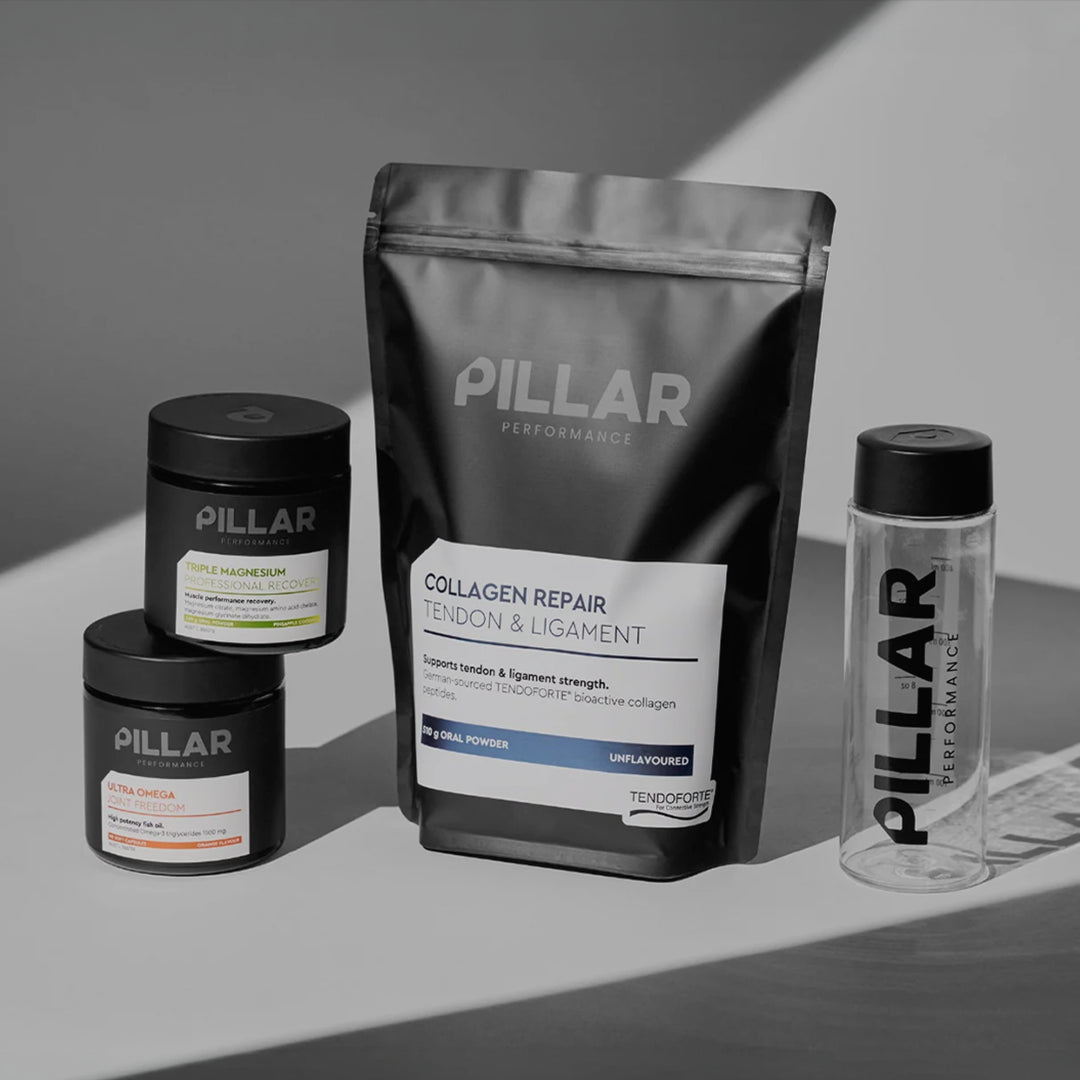
Where you can genuinely upgrade is in sourcing rather than form. Pillar Performance Creapure® Creatine Monohydrate uses single-origin German Creapure®, widely treated as the benchmark for purity, and is Informed Sport certified — which matters if you're subject to drug testing.
Myth 10: All creatine powders are the same
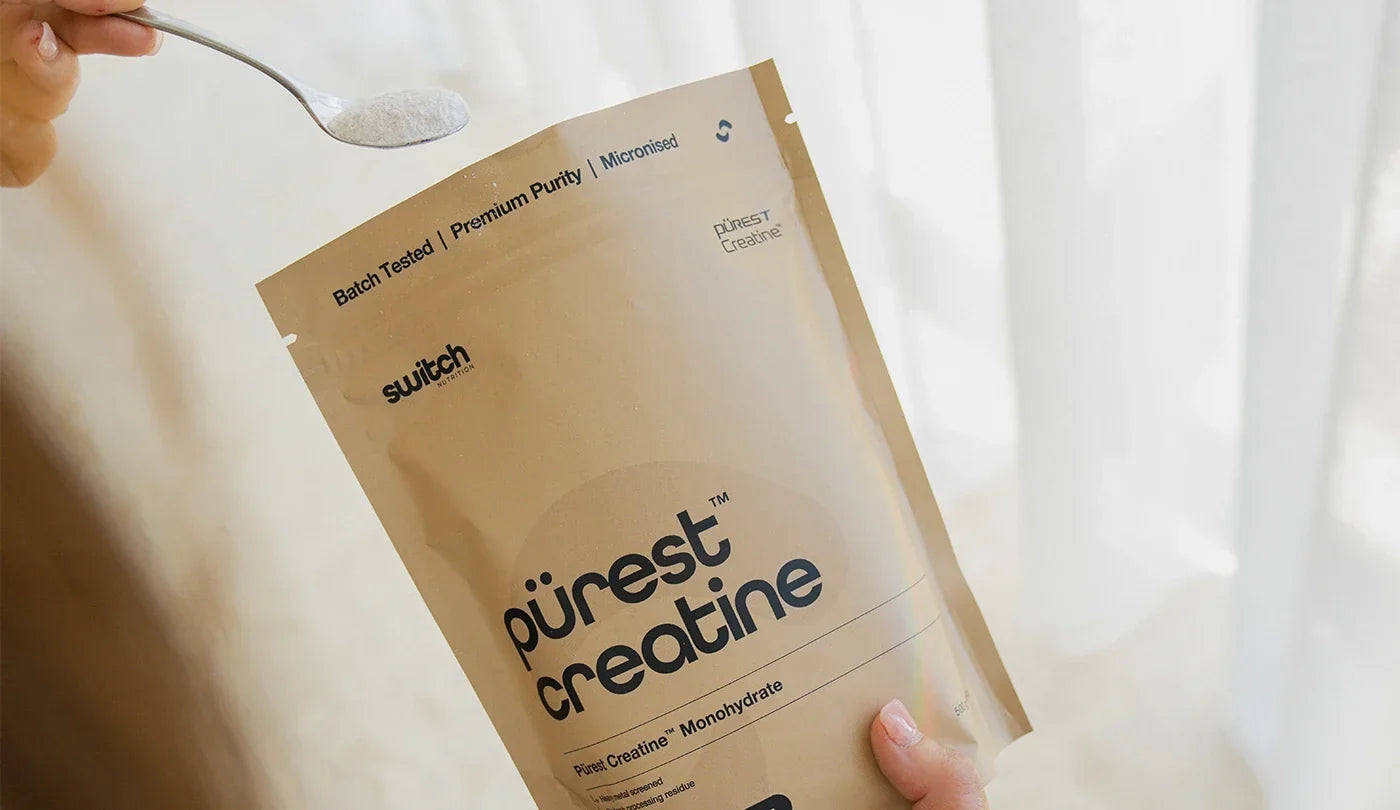
The active ingredient may be identical, but manufacturing standards aren't. Creatine production can leave behind by-products such as dicyandiamide and creatinine, and heavy metal contamination is a real concern in poorly regulated supply chains. When you're taking something daily for years, purity is worth paying attention to.
Look for independent third-party testing and batch verification rather than marketing claims. AthleTech Purest Creatine Monohydrate is a good example — ultra-fine 200-mesh micronisation for clean mixing, screened for heavy metals, and HASTA certified for banned substances.
Fine micronisation also solves the gritty sludge at the bottom of the glass that puts a lot of people off creatine in the first place.
Quick reference: myth vs reality
| The myth | The reality |
|---|---|
| It's a steroid | An amino acid compound your body already makes daily |
| It damages kidneys | No evidence of harm in healthy adults at standard doses |
| It makes you bloated | Water goes into muscle cells, not under the skin |
| You must load | Optional — 5g daily reaches the same saturation |
| It causes hair loss | Based on one small study that never measured hair |
| It's for men | Equally effective for women, same 5g dose |
| You must cycle off | Continuous use is safe and more effective |
| It causes cramps | No consistent link; hydration is the real factor |
| Newer forms are better | Monohydrate outperforms nearly all of them |
| All brands are equal | Purity and third-party testing vary significantly |
How to actually take creatine
Dose and timing
Take 5g daily. Timing is far less important than consistency, though taking it around your training window alongside a protein shake is a reasonable habit simply because it's easy to remember.
Rest days count
Keep taking it on days you don't train. You're maintaining saturation, not fuelling a single session.
It doesn't replace protein
Creatine improves training output; protein supplies the building blocks for repair and growth. They do different jobs, and creatine won't compensate for falling short on daily protein. Pair it with a quality option from our protein powder range.
Give it three to four weeks
Saturation takes time. Judge creatine on a month of consistent use, not a few days.
Bonus myth: creatine is only for young bodybuilders
Worth flagging, because it's arguably the most costly misconception of the lot. Creatine's benefits extend to brain function, recovery and longevity, and it becomes more valuable with age, not less — muscle loss can begin as early as your thirties, and creatine is one of the better-evidenced tools for preserving muscle as you age.
The bottom line
Creatine has been studied more thoroughly than almost anything else on the shelf, and it keeps coming out the other side looking safe, cheap and genuinely effective. Most of what puts people off is decades-old gym folklore that never had much behind it.
If you're ready to get started, browse the full range of creatine supplements at ASN, or read our breakdown of the best creatine NZ has to offer in 2026 for a ranked comparison. Pair it with the right training and nutrition and you'll find plenty more in our build lean muscle range.
This article is general information only and isn't a substitute for personalised medical advice. If you have an existing health condition or take prescription medication, check with your doctor before starting any new supplement.
Leave a comment
All comments are moderated before being published.
This site is protected by hCaptcha and the hCaptcha Privacy Policy and Terms of Service apply.