

Creatine is one of the most researched and widely used supplements in sports nutrition. While it’s best known for helping increase strength and muscle performance, the benefits of creatine extend far beyond muscle building.
Research and growing interest in creatine show it may support brain function, recovery, energy production and even aspects of healthy ageing. Because of this, creatine is now used by a much wider group of people than just athletes and bodybuilders.
In this guide, we’ll explore the creatine benefits beyond muscle, including how it may support brain health, daily performance, recovery and overall wellbeing.
What Is Creatine and How Does It Work?
Creatine is a naturally occurring compound produced in the body from amino acids. It is stored primarily in muscle tissue but is also present in other areas of the body including the brain.
The main role of creatine is to help produce ATP (adenosine triphosphate), which is the body’s primary source of cellular energy. By increasing the availability of ATP, creatine helps cells perform work more efficiently.
This is why creatine is so effective for high-intensity exercise, but the same energy-supporting mechanism can benefit other systems in the body as well.
What Are the Benefits of Creatine Beyond Muscle Building?
Although creatine is widely known for improving strength and power, scientists now recognise that its benefits extend far beyond physical performance.
1. Supports Brain Energy and Cognitive Function
The brain is one of the most energy-demanding organs in the body. Because creatine helps regenerate cellular energy, it may help support brain performance in a similar way to muscle performance.
Supplementing with creatine can help increase phosphocreatine stores in the brain, which may assist with energy availability during demanding mental tasks.
For this reason, creatine has gained interest as a supplement that may support cognitive function, memory and mental performance.
2. Helps Reduce Mental Fatigue
Just as creatine can delay physical fatigue during intense exercise, it may also help reduce mental fatigue during prolonged cognitive effort.
Maintaining energy availability in brain cells can help support focus, concentration and mental endurance. This makes creatine potentially useful for individuals performing mentally demanding tasks such as studying, working long hours or competitive gaming.
3. Supports Exercise Recovery
One of the often overlooked benefits of creatine is its role in post-exercise recovery.
Creatine may help support recovery by:
- Supporting faster replenishment of muscle energy stores
- Reducing muscle fatigue after intense training
- Helping maintain performance across repeated workouts
- Supporting muscle repair processes
This is why many athletes and active individuals include creatine as part of their daily recovery routine.
4. Supports Healthy Ageing
As people age, natural declines in muscle mass, strength and energy production can occur. Creatine supplementation may help support cellular energy levels that contribute to physical and cognitive performance.
For this reason, creatine is increasingly being explored as a supplement that may help support healthy ageing, particularly when combined with regular exercise and balanced nutrition.
5. May Support Mood and Brain Health
Because creatine plays a role in brain energy metabolism, researchers are also exploring its potential impact on mood and mental wellbeing.
Maintaining healthy cellular energy production in the brain may contribute to better overall brain function and mental performance.
What Are the Benefits of Taking Creatine for Your Brain?
Creatine is becoming increasingly recognised for its potential role in supporting brain performance.
Some potential brain-related benefits of creatine include:
- Supporting memory and learning
- Improving mental performance during demanding tasks
- Helping maintain focus and concentration
- Supporting brain energy metabolism
Because creatine helps increase the availability of ATP within brain cells, it may support the energy demands required for optimal cognitive function.
This has led many researchers to explore creatine as a supplement that may benefit not only athletes, but also students, professionals and individuals interested in supporting long-term brain health.
What Will Happen If I Take Creatine Every Day?
Taking creatine daily is the most common and effective way to maintain optimal creatine levels in the body.
When creatine is consumed regularly, it gradually increases the amount stored in muscle and brain tissue. This process is known as creatine saturation.
Once these stores are fully saturated, creatine can help support:
- Improved strength and power output
- Better exercise performance
- Faster recovery between workouts
- Enhanced cellular energy production
A typical maintenance dose for most people is around 3–5 grams per day. Consistency is more important than timing, meaning creatine can be taken at any time of the day that fits your routine.
Creatine is also one of the most studied supplements available and has a strong safety profile when used at recommended doses.
Choosing a High-Quality Creatine Supplement
If you’re looking to experience the full benefits of creatine, choosing a high-quality creatine monohydrate supplement is important.
Creatine monohydrate is the most widely researched form of creatine and remains the gold standard for effectiveness and reliability.
You can explore a full range of creatine options here:
Shop Creatine Supplements at ASN Online
Recommended Creatine Supplements
Two excellent creatine options available at ASN Online include:
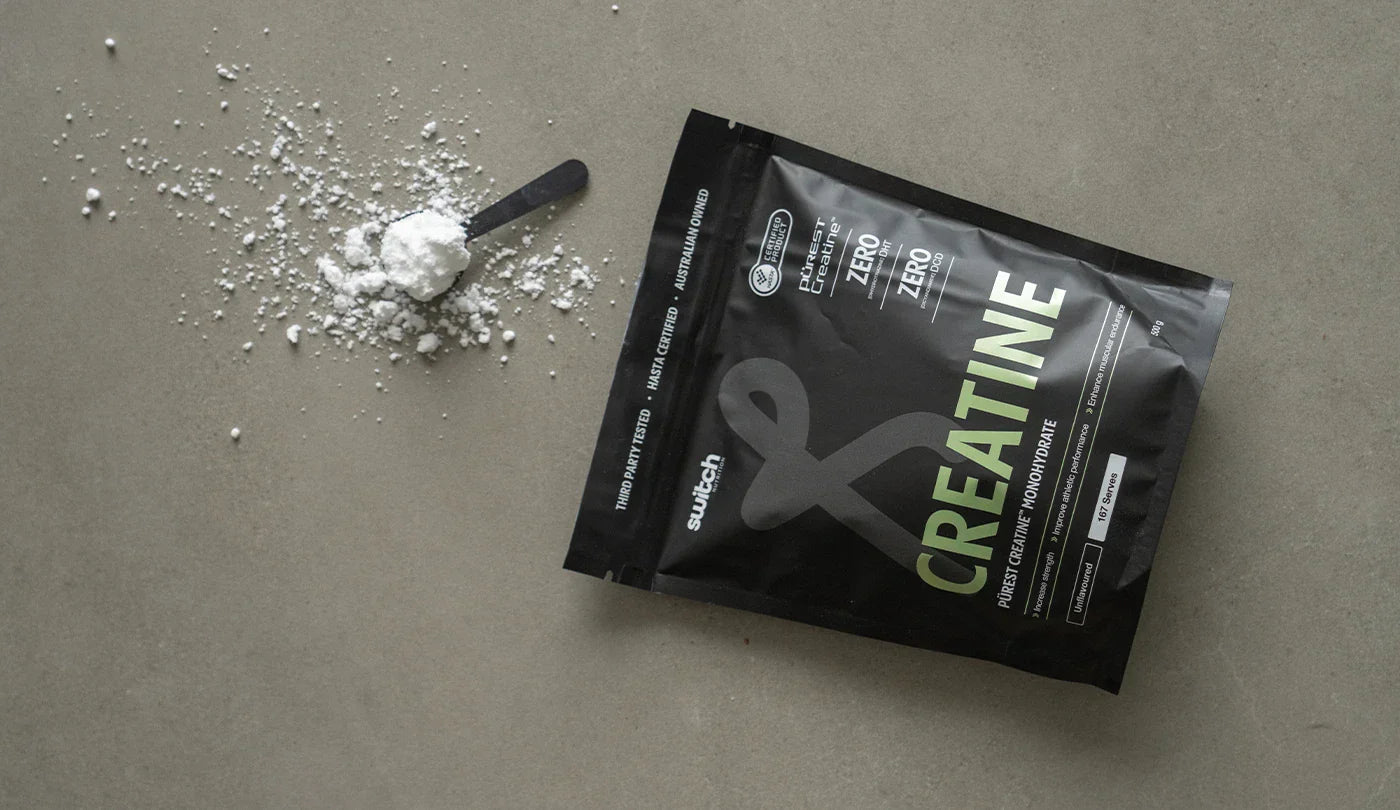
A high-quality, pure creatine monohydrate designed to support strength, recovery and performance. It mixes easily and is ideal for daily supplementation.
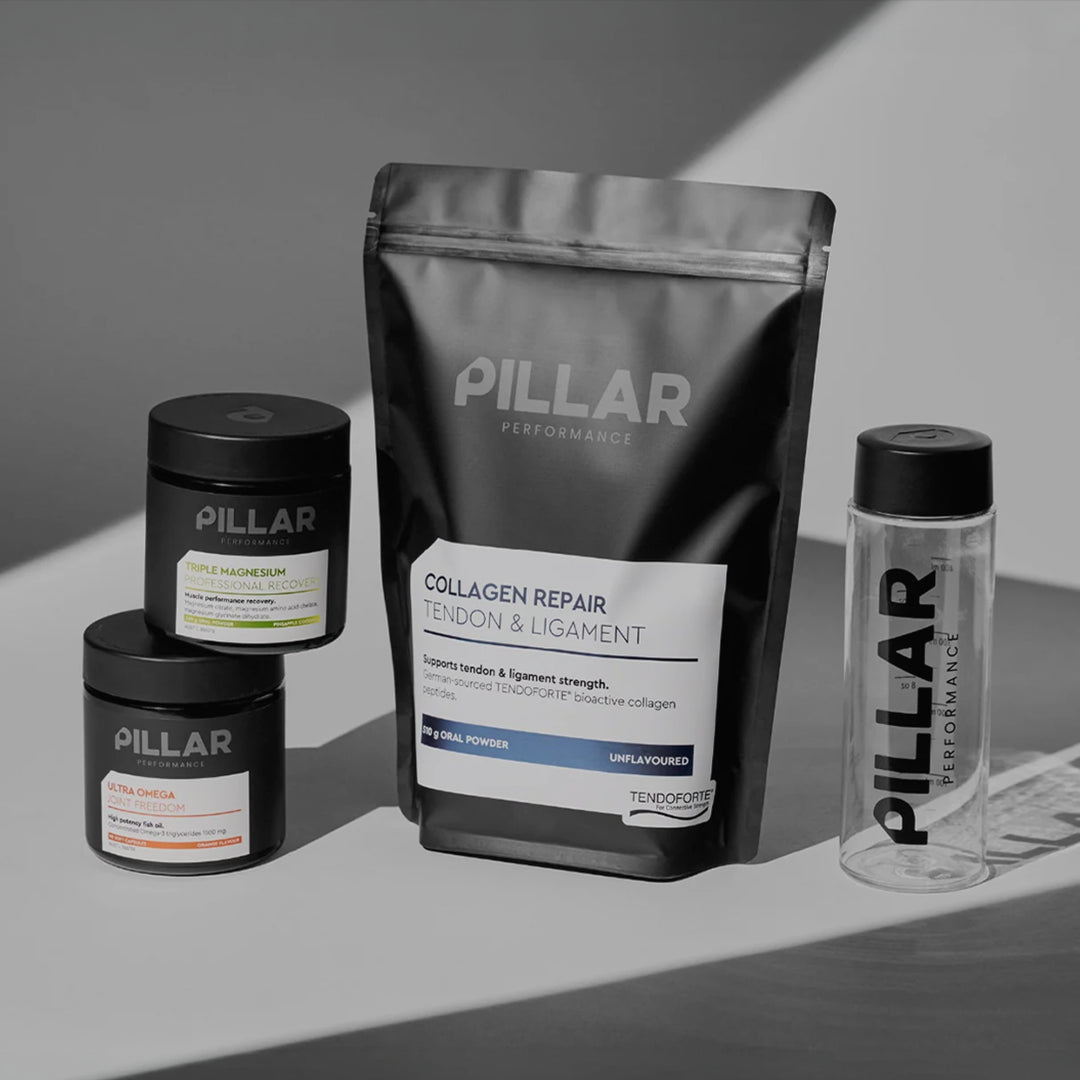
Pillar Performance Creatine Monohydrate (Creapure®)
This premium creatine contains Creapure®, a German-sourced creatine monohydrate known for exceptional purity and quality control.
How to Take Creatine for Best Results
Creatine is simple to use and easy to incorporate into your daily supplement routine.
General guidelines include:
- Take 3–5 grams per day
- Mix with water, juice or a protein shake
- Take it consistently each day
- Stay well hydrated
Unlike some supplements, creatine timing is not critical. The key factor is consistent daily intake so your body can maintain optimal creatine stores.
The Bottom Line: Creatine Is More Than a Muscle Supplement
Creatine has long been known for supporting strength, muscle growth and athletic performance. However, modern research continues to highlight a much broader range of benefits.
The growing list of creatine benefits beyond muscle includes support for brain function, improved recovery, enhanced energy production and potential benefits for long-term health.
Whether you’re an athlete, a student or someone simply looking to support overall performance and wellbeing, creatine remains one of the most effective and well-researched supplements available today.
To get started, explore ASN Online’s full range of creatine supplements:

Leave a comment
All comments are moderated before being published.
This site is protected by hCaptcha and the hCaptcha Privacy Policy and Terms of Service apply.