

If you've noticed it's harder to hang onto muscle than it used to be — even though you're training just as hard, if not harder — you're not imagining it. Somewhere in your thirties, your body quietly starts a process called sarcopenia: the gradual, age-related loss of muscle mass and strength. Left unchecked, it can chip away at your strength, your metabolism, and your independence later in life.
The good news is that this process is highly modifiable. Resistance training and adequate protein intake remain the foundation, but a small handful of supplements have solid research behind them for helping preserve lean muscle as you age. Two of them — creatine and protein — you've probably heard plenty about. The third is one most Kiwis have never come across, despite quietly building a research base of its own.
Why Muscle Preservation Matters More Than You Think
Muscle isn't just about how you look or how much you can lift. It's metabolically active tissue that helps regulate blood sugar, supports joint stability, and is one of the biggest predictors of healthy ageing and independence later in life. Research shows muscle mass and strength typically begin declining from the early thirties onward, with the rate of loss accelerating from around age 60.
The frustrating part is that this decline happens even in people who train consistently, simply because the body becomes less efficient at using dietary protein to build and repair muscle — a phenomenon researchers call "anabolic resistance." That means the habits and supplements that worked fine in your twenties may need a bit of reinforcement as the years go on.
If you've already noticed training feels different since hitting 30, our guide on what actually changes in your body after 30 goes into more detail on why recovery and muscle maintenance start to feel harder, and what to do about it.
The Foundation: Getting Enough Protein
Before any supplement gets a look in, protein intake is the non-negotiable base of muscle preservation. As anabolic resistance sets in with age, the amount of protein needed to trigger muscle protein synthesis actually increases — many researchers now recommend closer to 1.2–1.6g of protein per kilogram of bodyweight daily for older adults, spread across meals, rather than the lower amounts often quoted for younger adults.
For most people, that's achievable through whole foods alone with a bit of planning. But if you're training regularly, travelling, or simply find it hard to hit your target through meals, a quality whey protein makes closing the gap far easier. Basic Supplements Whey Protein Blend is a straightforward, no-fuss option for topping up daily intake, while Dymatize ISO100 Whey Protein Isolate is a fast-digesting isolate that's a good fit if you're sensitive to lactose or simply prefer a leaner protein source.
Creatine: Still the Most Researched Option Going
Creatine monohydrate is one of the most studied supplements in sports nutrition, and its relevance doesn't stop once you're past your competitive training years. As we age, creatine may help offset muscle loss by supporting ATP production (the energy currency your muscles rely on for every contraction), which in turn helps you train harder and recover faster — both of which matter more, not less, as recovery capacity naturally declines.
There's also growing interest in creatine's role in bone density and cognitive function in older adults, particularly when paired with resistance training. It's a supplement that used to be pigeonholed as something only bodybuilders took, but that reputation has shifted considerably — our piece on creatine benefits beyond muscle covers the brain, recovery, and longevity angles in more depth, and our guide to creatine for women explores the bone health research specifically.
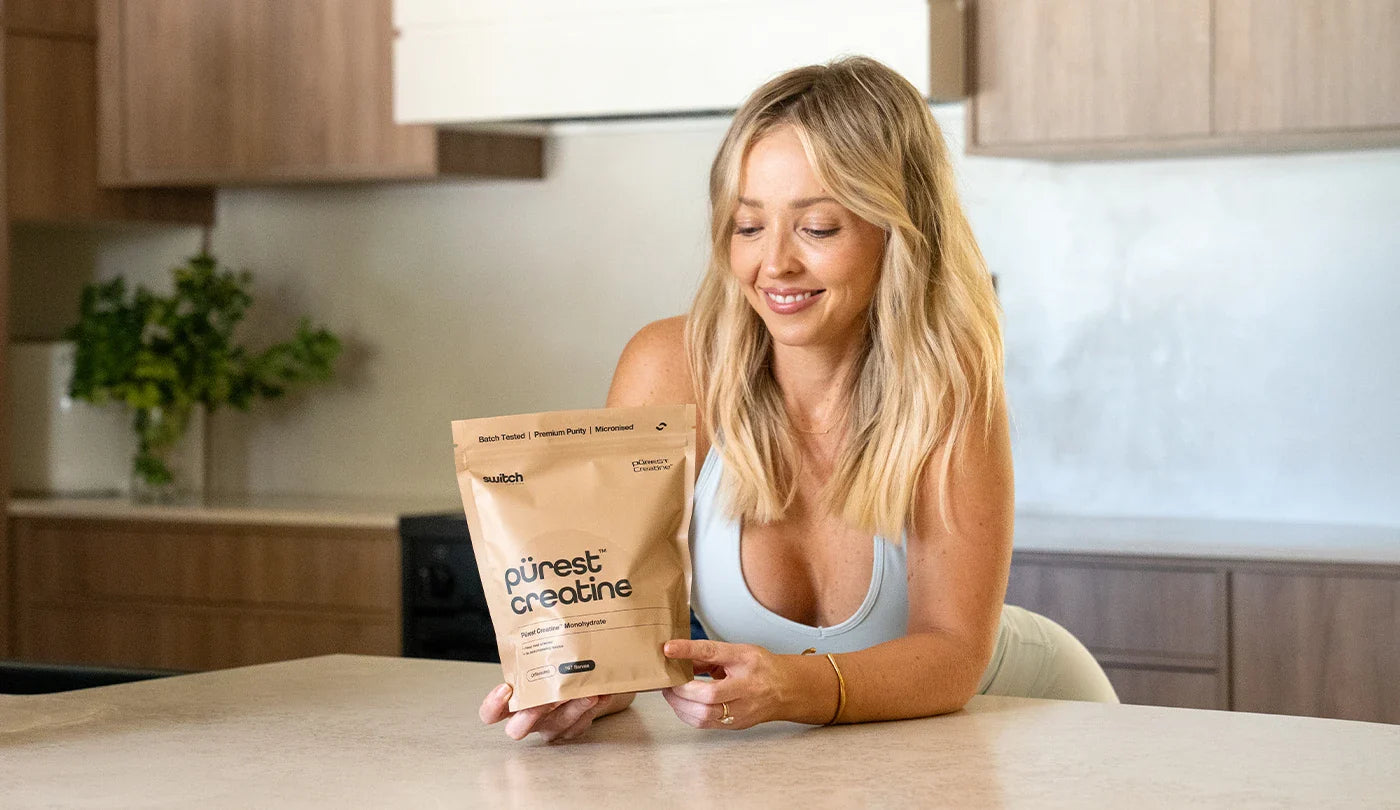
If you're after a reliable everyday option, Basic Supplements Creatine is a clean, third-party tested monohydrate that covers the basics without any unnecessary extras. For those who want certified purity, Pillar Performance Creapure Creatine Monohydrate uses Creapure®, a pharmaceutical-grade form of creatine monohydrate manufactured to a particularly high purity standard. You'll find our full breakdown of options in Best Creatine NZ 2026: Top 5 Creatine Supplements Ranked.
How much creatine do you actually need?
The standard maintenance dose is 3–5g daily, taken any time of day — consistency matters far more than timing. A loading phase (around 20g daily split into smaller doses for 5–7 days) will saturate your muscle stores faster, but isn't essential; a steady daily dose gets you to the same place within a few weeks.
The One You've Probably Never Heard Of: HMB
HMB (beta-hydroxy beta-methylbutyrate) is a naturally occurring metabolite of the amino acid leucine, and it's one of the more overlooked tools for age-related muscle preservation — largely because it's never had the marketing muscle of creatine or protein powder.
What makes HMB interesting is the angle it works from. Rather than primarily supporting muscle growth the way creatine and protein do, HMB is thought to help reduce muscle protein breakdown — which is particularly relevant during the natural muscle loss associated with ageing, or during periods of reduced training, illness, or injury when muscle is most vulnerable. Several studies in older adults have shown HMB supplementation, especially combined with vitamin D, may help support lean muscle mass and physical function.
It's not a replacement for protein or creatine, but rather a complementary tool — one worth knowing about if you're building a muscle-preservation stack with ageing specifically in mind. You'll find the available options in our HMB supplements collection.
Comparing the Three: Which Does What
| Supplement | Primary role | Best for | Typical daily dose |
|---|---|---|---|
| Protein (whey) | Supplies amino acids for muscle repair and growth | Meeting daily protein targets, especially post-training | 20–40g per serve, as needed to hit daily total |
| Creatine monohydrate | Boosts ATP energy production in muscle cells | Strength, power output, and training performance | 3–5g, any time of day |
| HMB | Helps reduce muscle protein breakdown | Preserving existing muscle, particularly during ageing or reduced activity | 3g, any time of day |
For a deeper dive into how these (plus a couple of others) fit together in a strength-focused stack, have a look at our Best Supplements to Increase Strength: The NZ Buyer's Guide, which covers creatine, protein, HMB, and beta-alanine dosing side by side.
Building a Simple Muscle-Preservation Stack
You don't need to overhaul your routine to put this into practice. A sensible, evidence-based approach looks something like this:
- Resistance train at least twice a week. No supplement compensates for a lack of mechanical loading on your muscles — this remains the single biggest lever you have.
- Hit your daily protein target. Aim for 1.2–1.6g per kilogram of bodyweight, spread across 3–4 meals, topping up with a whey protein powder where needed.
- Take creatine daily, without exception. A steady 3–5g from your creatine supplement of choice, taken consistently rather than sporadically.
- Consider HMB during vulnerable periods. If you're recovering from injury, dealing with reduced mobility, or simply want extra insurance against muscle breakdown as you age, 3g of HMB daily is a reasonable addition.
- Prioritise sleep. Muscle repair happens largely during deep sleep — skimping here undermines everything else on this list.
Frequently Asked Questions
At what age should I start worrying about muscle loss?
Muscle mass typically begins a slow decline from the early thirties, well before most people notice any real difference. That makes your thirties and forties an ideal time to start building good habits, rather than waiting until strength loss becomes obvious.
Is creatine safe to take long-term?
Yes. Creatine monohydrate is one of the most extensively studied supplements available, with decades of research supporting its safety for long-term daily use in healthy adults.
Can I take protein, creatine, and HMB together?
Yes — the three work through different mechanisms and are commonly used together. There's no known interaction that would cause an issue combining all three as part of a daily routine.
Do I need HMB if I'm already taking creatine and protein?
Not necessarily. HMB is more of a targeted addition for periods where muscle breakdown risk is higher — such as during ageing, illness, or reduced training — rather than an essential everyday supplement for everyone.
Preserving muscle as you age isn't about chasing the latest trend — it's about consistently getting the fundamentals right and layering in a few well-researched supplements where they genuinely help. Protein and creatine will do most of the heavy lifting, but if you're looking for an extra edge, HMB is worth having on your radar.

Leave a comment
All comments are moderated before being published.
This site is protected by hCaptcha and the hCaptcha Privacy Policy and Terms of Service apply.