


For years, creatine sat firmly in the "men's supplement" box — stacked next to protein tubs and pre-workouts on shelves that felt like they weren't designed for women at all. In 2026, that narrative has well and truly shifted. Women across New Zealand are discovering what the research has been quietly confirming for over a decade: creatine is one of the most well-studied, safe, and genuinely effective supplements available — and women may stand to benefit from it just as much as, if not more than, men.
Whether you're lifting weights at the gym, trying to stay strong as you age, managing mental load at work, or simply investing in long-term health, this guide is written specifically for you. We're covering everything — the science, the myths, the dosing, and the best creatine supplements available in New Zealand right now.
What Is Creatine and What Does It Actually Do?
Creatine is a naturally occurring compound your body produces from three amino acids — glycine, arginine, and methionine. It's also found in small amounts in red meat and fish. Your body stores creatine primarily in muscle tissue, where it plays a central role in the ATP energy system — essentially the fuel source your muscles draw on during short, intense bursts of effort.
When you supplement with creatine, you top up those muscle stores above what diet alone provides. The result? More available energy during training, faster recovery between sets, and — over time — better adaptation to progressive overload. For women, whose natural creatine stores tend to be lower than men's to begin with, the relative gains from supplementation can actually be quite significant.
The Real Benefits of Creatine for Women
Strength and Lean Muscle
This is the benefit most people associate with creatine, and it's backed by a substantial body of evidence. Creatine supplementation supports greater gains in strength and lean muscle mass when combined with resistance training. Importantly for women, this doesn't mean "bulking up" — lean muscle is your metabolic engine, and building it improves body composition, posture, functional strength, and long-term health outcomes. You will not turn into a bodybuilder by taking 5g of creatine a day.
Bone Health
This is where creatine becomes particularly compelling for Kiwi women. Women are disproportionately affected by osteoporosis — a condition involving loss of bone density that accelerates after menopause. Emerging research suggests creatine, when combined with resistance exercise, may help preserve bone mineral density. It's not a replacement for calcium, vitamin D, or medical treatment, but it's a meaningful piece of the puzzle for women focused on ageing well and staying active.
Cognitive Benefits
Your brain runs on creatine too. Around 20% of your body's creatine stores are found in the brain, where it supports the same ATP energy processes that power your muscles. Research has shown creatine supplementation may improve working memory, reduce mental fatigue, and support cognitive performance — especially in situations of sleep deprivation or high mental load. For women navigating demanding careers, caregiving, or perimenopause-related brain fog, this is a meaningful benefit worth knowing about.
Recovery and Reduced Fatigue
Creatine helps buffer the byproducts of intense exercise, reduces muscle cell damage, and supports faster recovery. Women who train consistently — whether that's CrossFit, Pilates, running, or team sport — can use this to train harder, more frequently, and with less downtime between sessions.
Hormonal Phases and Creatine
Newer research is beginning to explore the relationship between creatine and hormonal fluctuations across the menstrual cycle, pregnancy, and menopause. Oestrogen naturally supports creatine synthesis — which may partly explain why some women notice more noticeable effects from supplementation during the luteal phase (the second half of the cycle), when oestrogen dips. While this area of research is still developing, it adds another layer to why creatine is worth considering as part of a women-specific health strategy.
Busting the Biggest Myths About Creatine for Women
Myth: Creatine makes you bulky
Fact: It supports lean muscle — not excessive size. The "bulk" narrative was always more about overall training and diet. Most women see improved tone and strength without significant weight gain.
Myth: You need to load creatine
Fact: Loading is optional, not mandatory. A consistent daily dose of 3–5g reaches full saturation within 3–4 weeks with no loading needed.
Myth: Creatine causes water retention and bloating
Fact: Some women experience intramuscular water retention, but this is inside muscle cells — not under the skin. This actually contributes to muscle fullness and performance, not puffiness.
Myth: Creatine is unsafe for women
Fact: Creatine is one of the most studied supplements in existence, with decades of safety data. It has an excellent safety profile and is well tolerated by healthy adults at standard doses, including women of all ages.
What Should a Woman Know Before Taking Creatine?
It works best alongside resistance training. Creatine is not a magic pill — it amplifies what you're already doing. If you're training consistently, you'll notice the benefits more clearly. That said, there's growing evidence for cognitive and bone-health benefits even in those who don't train heavily.
Consistency matters more than timing. Unlike pre-workout supplements, creatine works by accumulating in your muscle stores over time. Taking it at the same time each day — whether that's with breakfast, post-workout, or before bed — is more important than hitting a specific window around training.
Stay hydrated. Because creatine draws water into muscle cells, slightly increasing your daily fluid intake is a sensible habit. This also supports overall training performance and recovery.
Choose a quality product. Not all creatine is equal. Look for pure creatine monohydrate — the most researched form — from a reputable brand. Fancy "proprietary blends" or creatine forms with little research behind them are rarely worth the premium.
Pregnancy and breastfeeding. While creatine is considered safe for healthy adults, if you're pregnant or breastfeeding, always speak with your GP or a registered dietitian before adding any supplement to your routine.
Creatine is not a stimulant. There's no caffeine, no jitteriness, and no crash. It can be taken any time of day without affecting sleep or energy levels in the way pre-workouts can.
How Much Creatine Should Women Take?
The sweet spot for most women is 3–5g of creatine monohydrate per day. There's no meaningful benefit to taking more for general health and performance goals — more is not better here. Mix it into water, a smoothie, protein shake, or juice. It's flavourless and dissolves easily.
Maintenance (recommended): 3–5g per day, every day. Best for most women — straightforward and effective.
Loading (optional): 20g/day split into 4 doses for 5–7 days, then 3–5g/day. Best for those who want faster results in the first week.
Lower dose: 3g per day. Best for smaller women or those sensitive to higher doses.
What Type of Creatine Is Best for Older Women?
For women over 40, 50, and beyond, creatine monohydrate remains the gold standard. Despite the marketing around newer forms like creatine HCl, buffered creatine, or creatine ethyl ester, no alternative form has demonstrated superior results in quality clinical research. Monohydrate has the deepest evidence base, the best cost-to-benefit ratio, and the strongest track record for both muscle and bone-related outcomes — the two areas most relevant to older women.
Specifically, for older women, the combination of creatine monohydrate and resistance training has shown promise in supporting muscle mass preservation, bone mineral density, and cognitive function — three of the most significant health challenges women face with age. Even light-to-moderate resistance training combined with daily creatine is a meaningful health investment.
If digestive sensitivity is a concern — which can be more pronounced in older adults — opting for a pharmaceutical-grade or purity-tested creatine like Creapure® can reduce the likelihood of any GI discomfort, since impurities in lower-quality products are often the culprit.
ASN's Top Creatine Picks for Women in New Zealand
If you're ready to start, here are two standout options available right now through ASN's creatine range:
Nexus Creatine Monohydrate
Pure creatine monohydrate in an unflavoured powder format — simple, clean, and exactly what most women need. No additives, no fillers, just the research-backed dose of creatine monohydrate that works. An excellent everyday option for women at any stage of their fitness journey. Mix it into your morning smoothie or post-workout shake and you'll barely notice it's there.
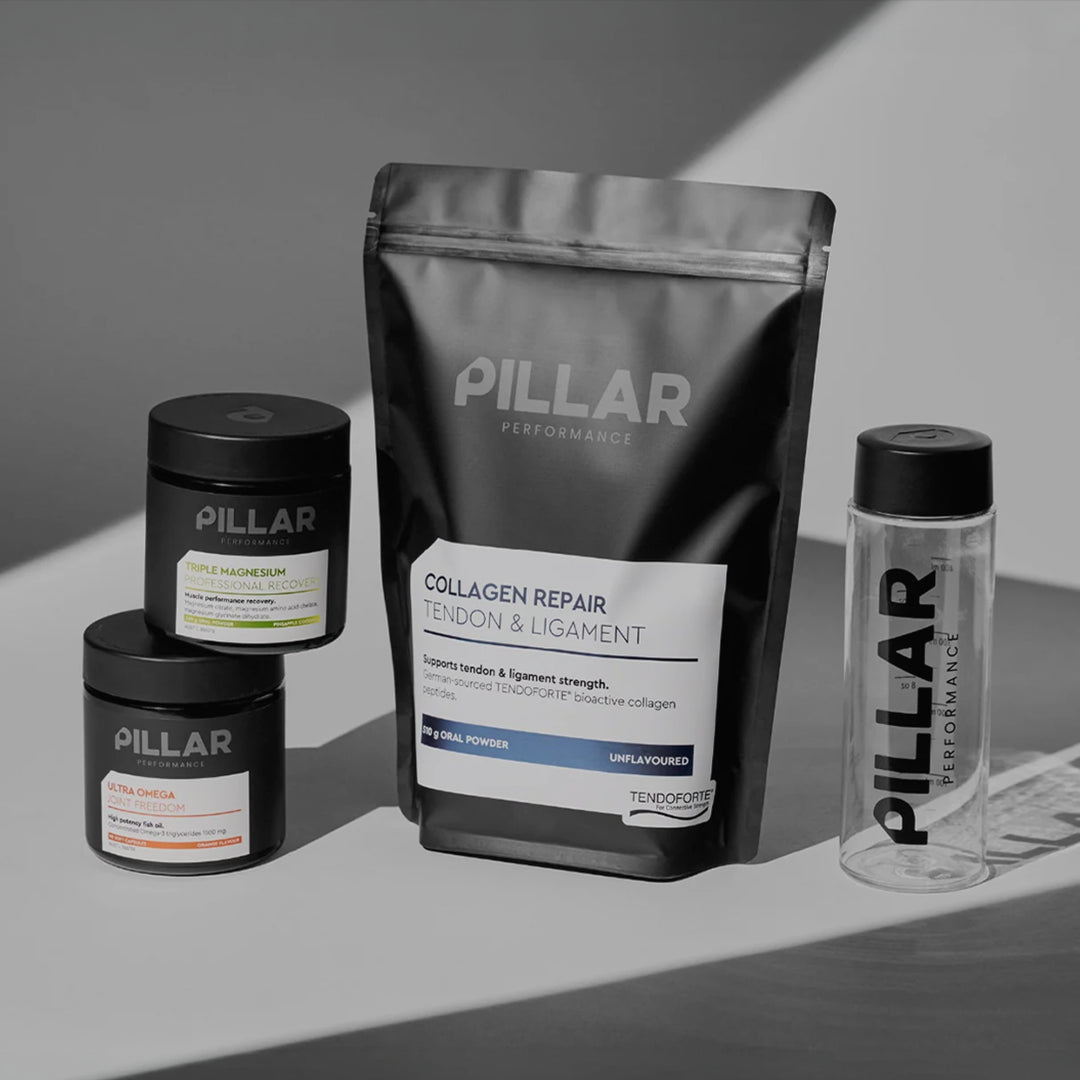
Pillar Performance Creapure® Creatine Monohydrate
For women who want the highest purity standard available, Pillar Performance's Creapure® creatine is the premium choice. Creapure® is a patented, independently tested form of creatine monohydrate produced in Germany to pharmaceutical-grade standards. Particularly well suited for older women, athletes in tested sports, or anyone wanting complete peace of mind about what they're putting in their body. Pillar Performance is a brand that leads on science, transparency, and quality — a natural fit for a women-focused health approach.
Browse the full range at ASN's creatine supplements collection to compare options and find what suits your goals and budget.
The Bottom Line: Should Kiwi Women Take Creatine?
The evidence says yes — and confidently so. Creatine for women is not a trend, it's a logical extension of decades of solid sports and health science finally being applied to a group that was historically under-represented in research. Whether your goal is to get stronger, age better, think more clearly, or simply feel more capable in your daily life, creatine monohydrate is one of the most evidence-backed tools in your supplement toolkit.
Start with 3–5g a day, choose a quality product, pair it with movement you enjoy, and give it four weeks. The benefits of creatine for women are real — and New Zealand women deserve to know about them.
Quick Reference: Creatine for Women FAQs
Is creatine safe for women?
Yes. Creatine monohydrate has decades of safety data behind it and is well tolerated by healthy women at standard doses of 3–5g per day.
Will creatine make me gain weight?
You may see a small increase in scale weight early on due to intramuscular water retention, but this is inside muscle cells — not fat gain or visible bloating.
When should women take creatine?
Any time of day. Consistency is more important than timing. Many women take it with breakfast or blended into a post-workout shake.
How long until I notice results?
Most women notice improved training endurance and recovery within 2–4 weeks of consistent daily use. Strength and body composition changes take longer — typically 6–8 weeks when combined with regular resistance training.
Can I take creatine if I don't go to the gym?
Yes. There is emerging evidence for cognitive and bone-health benefits from creatine supplementation independent of exercise, though the performance benefits are most pronounced with resistance training.


Leave a comment
All comments are moderated before being published.
This site is protected by hCaptcha and the hCaptcha Privacy Policy and Terms of Service apply.