


Somewhere around your early forties, the rules seem to change. The training that used to keep you lean stops working quite as well. Recovery takes an extra day. Sleep gets lighter. And the body composition shifts that arrive with perimenopause can feel like they've come out of nowhere.
None of that means you're on a downhill slide — but it does mean your nutrition needs a bit more intention than it did at 25. This guide covers the best supplements for women over 40 NZ shoppers can actually buy right now, why each one earns its place, and how to build them into a routine you'll stick with. No miracle cures, no fear-mongering. Just the handful of things with genuine evidence behind them.
What Actually Changes After 40
Understanding the "why" makes the supplement choices obvious rather than arbitrary. Three shifts matter most.
Muscle Becomes Harder to Build and Easier to Lose
From roughly your mid-thirties onward, you gradually lose lean muscle unless you actively work to keep it — a process called sarcopenia. Falling oestrogen through perimenopause accelerates this, and it also makes your muscles less responsive to the protein you eat. In practical terms, you need more protein and more resistance training than you did a decade ago to hold the same ground. Our guide to the best supplements for preserving muscle as you age digs into this in more detail.
Bone Density Starts to Decline
Oestrogen plays a protective role in bone remodelling, so the years surrounding menopause bring the fastest rate of bone loss most women will experience. This is the single most important reason to prioritise resistance training, adequate protein, calcium, and vitamin D during this decade — the habits you build now compound for the next thirty years.
Sleep, Mood and Recovery Get Less Reliable
Disrupted sleep is one of the most commonly reported changes through perimenopause, and it has flow-on effects: poorer recovery, higher cortisol, more cravings, less training motivation. Fixing sleep often does more for how you feel than any other single change.
The Best Supplements for Women Over 40 in NZ
Here's what's genuinely worth your money, roughly in order of impact.
1. Protein Powder — The Non-Negotiable Foundation
If you take one thing from this article, make it this. Most active women over 40 do best somewhere in the range of 1.6–2.2 g of protein per kilogram of body weight daily — meaningfully more than the standard dietary guidelines suggest. For a 70 kg woman, that's roughly 110–150 g a day, which is difficult to hit through whole food alone once you factor in a busy work week.
A quality protein powder makes the maths achievable. Basic Supplements Whey Protein Blend is a straightforward, well-priced whey that mixes easily and does the job without fuss — ideal as a daily driver. If you'd rather avoid dairy, or you're simply looking for something cleaner-label, Radix Nutrition Natural Plant Protein is a strong plant-based option from a New Zealand brand with a serious reputation for ingredient quality.
Not sure which to choose? Our ranking of the top whey proteins available in NZ compares the leading options side by side.
2. Creatine Monohydrate — No Longer Just for Blokes
Creatine is the most researched sports supplement in existence, and the case for women over 40 is arguably stronger than for anyone else. It supports strength and lean muscle retention, helps you train harder (which is what actually drives bone loading), and a growing body of research points to cognitive benefits — particularly relevant given how many women report brain fog through perimenopause.
It will not make you bulky. The dose is simple: 3–5 g daily, every day, timing irrelevant. Pillar Performance Creapure Creatine Monohydrate uses the German-made Creapure form, widely considered the purity benchmark, while AthleTech Purest Creatine Monohydrate delivers unflavoured monohydrate at excellent value. Browse the full creatine range if you'd like to compare.
For a deeper dive, read what Kiwi women need to know about creatine.
3. Collagen — For Tendons, Joints and Skin
Collagen deserves a clear-eyed explanation, because it's frequently oversold. It is not a muscle-building protein — its amino acid profile isn't suited to that job. What it does support is connective tissue: tendons, ligaments, cartilage and skin, all of which are affected by declining oestrogen. If you've noticed niggling aches that didn't used to be there, this is the category to look at.
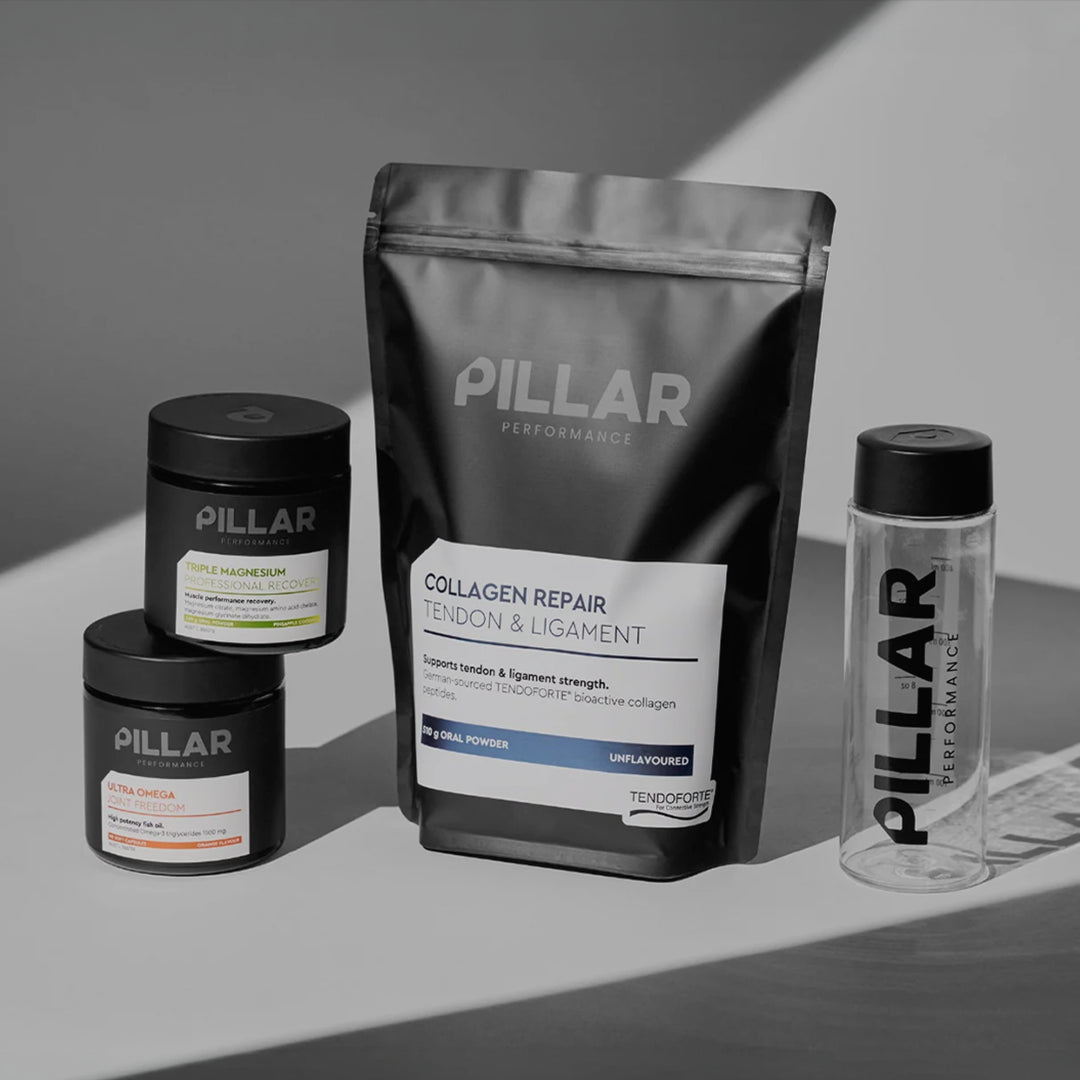
Pillar Performance Collagen Repair is built around Tendoforte® bioactive collagen peptides, which have been clinically studied for tendon and ligament support, and it includes vitamin C to support collagen synthesis. It's unflavoured, so it stirs into coffee or a smoothie without you noticing. Explore more options in the collagen and joint support range.
Want the full comparison? Our article on whey protein versus collagen explains exactly what each one is good for.
4. Magnesium — Sleep, Muscle Function and Calm
Magnesium is involved in hundreds of processes in the body, and many women fall short of the roughly 320 mg daily recommended intake — especially if you train regularly, since magnesium is lost through sweat. It supports muscle relaxation, nervous system function and sleep quality, which makes it particularly useful during a stage of life when all three can feel unreliable.
Pillar Performance Triple Magnesium Powder combines three bioavailable forms — including magnesium glycinate dihydrate, the form most associated with sleep support — in a powder you drink rather than a handful of tablets. See the wider magnesium range, and if you're weighing up forms, our breakdown of glycinate versus citrate versus L-threonate will save you some guesswork.
5. Omega-3 — Joints, Heart and Brain
Cardiovascular risk rises for women after menopause, which puts omega-3 firmly on the list. EPA and DHA support cardiovascular and cognitive health, and higher-dose omega-3 is also used to help relieve mild joint inflammation and stiffness — a common complaint in this age group.
Pillar Performance Ultra Omega is a triple-strength concentrated formulation, flavoured with natural orange oil so you avoid the fishy aftertaste that puts most people off fish oil. Browse the full omega-3 and fish oil range.
6. Vitamin D and Bone-Supporting Minerals
Vitamin D is worth genuine attention in New Zealand. Our winter sun sits at an angle that makes meaningful vitamin D synthesis difficult from around May to August, particularly in the South Island — and vitamin D is essential for absorbing the calcium your bones need. Pair it with adequate calcium intake and you've covered the fundamentals of bone protection.
Have a look through the vitamins and minerals range to fill gaps, or the dedicated joint and bone health collection for targeted support. If you're unsure of your levels, a blood test through your GP takes the guesswork out entirely.
7. Sleep and Stress Support
Poor sleep undermines everything else on this list — recovery, appetite regulation, training quality and mood. If you're struggling, this is a high-leverage place to intervene.
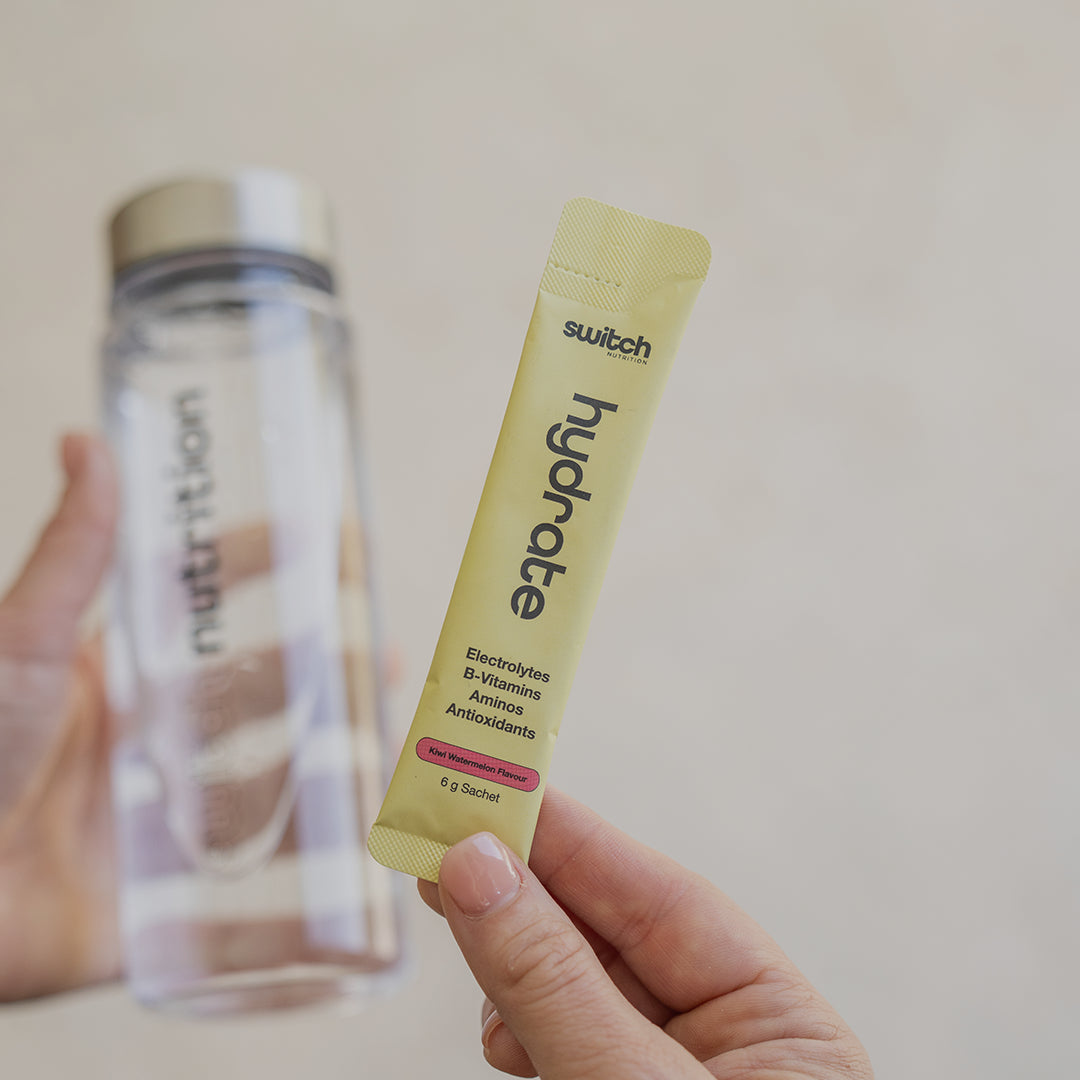
Switch Nutrition Sleep is formulated to help you stay asleep rather than simply fall asleep, combining tart cherry concentrate, L-glycine, magnesium and supporting B vitamins, without leaving you groggy the next morning. Explore the wider sleep and stress support range for alternatives including ashwagandha-based formulas.
Quick Comparison
| Supplement | Main benefit after 40 | Typical daily amount | Best time to take |
|---|---|---|---|
| Protein powder | Muscle retention and satiety | 1–2 servings to top up food intake | Post-training or between meals |
| Creatine monohydrate | Strength, lean muscle, cognition | 3–5 g | Any time, consistently |
| Collagen peptides | Tendons, joints, skin | 5–10 g with vitamin C | Morning or pre-training |
| Magnesium | Sleep, muscle function, calm | Per label directions | Evening |
| Omega-3 | Heart, brain, joint comfort | Per label directions | With food |
| Vitamin D | Calcium absorption, bone health | Per label or GP advice | With a meal containing fat |
| Sleep formula | Sleep quality and recovery | Per label directions | 30–60 minutes before bed |
How to Build a Simple Daily Routine
You don't need to start everything at once. A staged approach is easier to sustain and makes it obvious what's working.
- Weeks 1–2: Get protein sorted. Add one or two protein shakes daily and aim for a serving of protein at every meal. This alone changes more than most people expect.
- Weeks 3–4: Add creatine. Three to five grams daily, mixed into your shake. Consistency matters far more than timing.
- Weeks 5–6: Address sleep and magnesium. Introduce magnesium in the evening, and a sleep formula if you're still waking through the night.
- Ongoing: Layer in the long-game supports. Collagen, omega-3 and vitamin D work quietly in the background. Take them consistently and judge them over months, not days.
What to Prioritise on a Budget
If you can only justify two or three products, buy in this order:
- Protein powder — the biggest return on investment, full stop.
- Creatine monohydrate — cheap per serve, extraordinarily well researched.
- Vitamin D — inexpensive, and genuinely relevant to a New Zealand winter.
Everything else is worthwhile, but these three cover the fundamentals of muscle, strength and bone.
Supplements Are the Support Act, Not the Show
It's worth saying plainly: no supplement outperforms resistance training two or three times a week, adequate protein, and decent sleep. What supplements do is make those things easier to achieve consistently — and consistency, over years, is what protects your strength, your bones and your independence later in life.
If you're navigating perimenopause or menopause, are taking prescription medication, or have an existing health condition, have a chat with your GP or a registered dietitian before starting something new. They can also arrange blood tests for vitamin D, iron and thyroid function, all of which are worth knowing rather than guessing at.
Ready to get started? Browse the full range at ASN — New Zealand owned, family operated, and shipping nationwide.

Leave a comment
All comments are moderated before being published.
This site is protected by hCaptcha and the hCaptcha Privacy Policy and Terms of Service apply.