

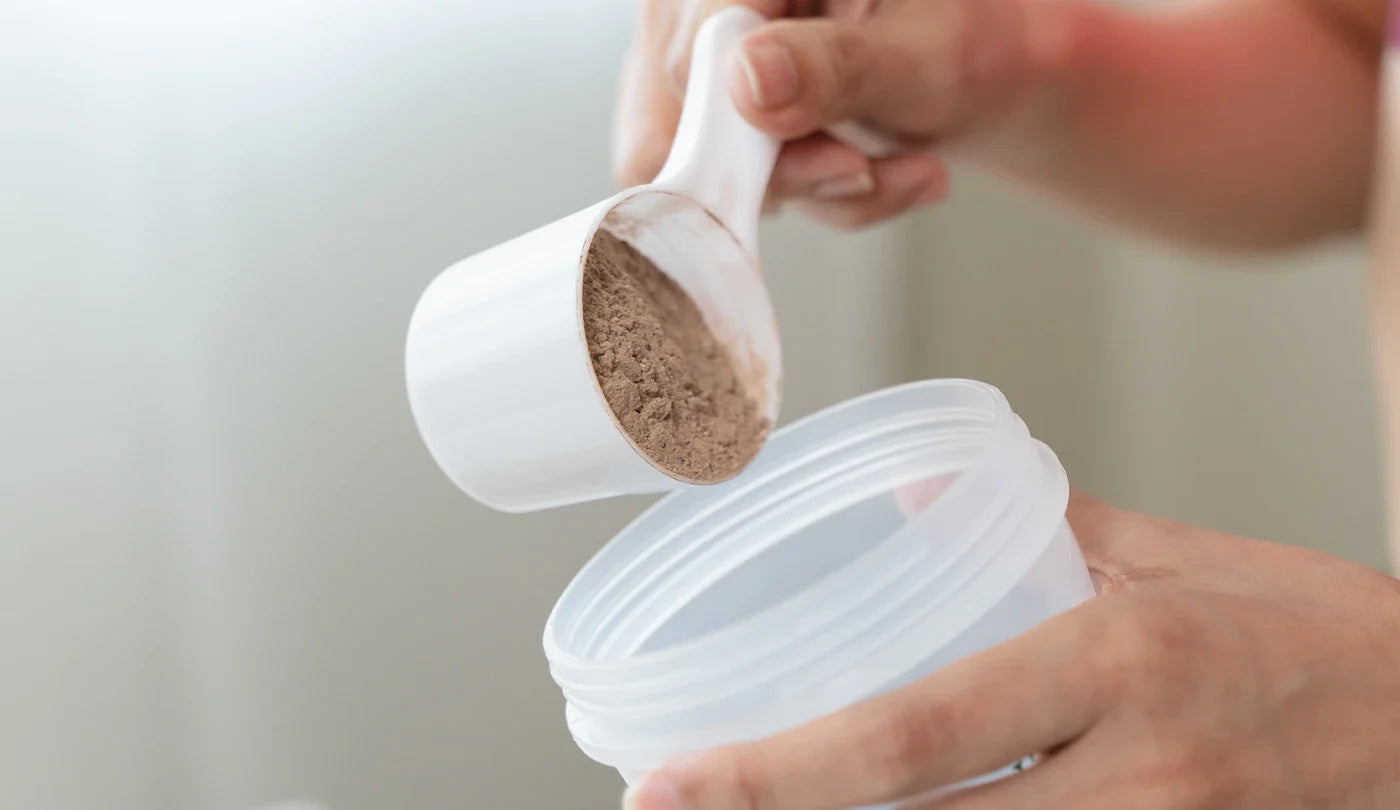
You've just finished a hard session. You're sweating, your muscles are pumped, and someone at the gym tells you that you've got exactly 30 minutes to smash a protein shake or your entire workout was wasted. Sound familiar?
That idea — the so-called "anabolic window" — has been drilled into gym culture for decades. But how much of it is actually backed by science, and how much is just bro-science dressed up as fact? Let's dig in.
The Anabolic Window: Fact or Fitness Folklore?
The anabolic window refers to a short period immediately after training — typically cited as 30 to 60 minutes — during which your muscles are supposedly primed to absorb nutrients and kick off recovery. Miss it, and you miss gains. Or so the story goes.
The reality is more nuanced. Yes, resistance training does increase muscle protein synthesis (MPS) and your muscles are more sensitive to amino acids following exercise. But the idea that this window snaps shut after 30 minutes is a significant oversimplification.
A landmark meta-analysis published in the Journal of the International Society of Sports Nutrition found that when total daily protein intake was controlled for, the timing of protein around workouts had a much smaller effect on muscle and strength gains than previously thought. In other words, total daily protein intake is the dominant variable — not the precise minute you consume it.
That doesn't mean timing is completely irrelevant. It means it's not the first thing you should be worrying about.
Does Protein Timing Really Matter for Muscle Growth?
Yes — but probably not in the way you've been told.
Protein timing for muscle growth does play a supporting role, particularly when you're training in a fasted state, doing two-a-days, or competing at an advanced level where marginal gains matter. For most people, though, it's a secondary consideration behind total intake and training quality.
Here's what the evidence actually supports:
- Pre-workout protein can be just as effective as post-workout protein for stimulating MPS, especially if you've eaten a protein-containing meal within two to three hours before training.
- Post-workout protein is still a smart habit — not because of a closing window, but because it's a convenient and reliable way to hit your daily targets and support recovery.
- The window is wider than you think. Research suggests the elevated sensitivity to protein after training lasts anywhere from four to six hours, not just 30 minutes.
So should you still have a protein shake after training? Absolutely. Just don't panic if you're 45 minutes post-workout and haven't had one yet.
How Much Protein Per Day to Build Muscle?
This is arguably the most important question in the entire conversation — and the one most people get wrong.
The current evidence-based recommendation for muscle growth sits at 1.6 to 2.2 grams of protein per kilogram of bodyweight per day. Some research pushes the upper end to 2.4g/kg for those in a caloric deficit or doing high volumes of training, but for most people, landing somewhere in that 1.6–2.2g/kg range is the sweet spot.
To put that in real terms:
- If you weigh 75kg, you're aiming for roughly 120–165g of protein per day.
- If you weigh 90kg, that's approximately 144–198g per day.
Most New Zealanders eating a standard diet fall well short of these targets, which is exactly where a quality protein supplement earns its place in your stack.
Does Timing Matter When Eating Protein?
Once your total daily intake is dialled in, then yes — how you distribute that protein throughout the day starts to matter more.
Research consistently shows that spreading protein intake across three to five meals or snacks — rather than loading most of it into one or two sittings — maximises the number of times you stimulate MPS throughout the day. Each feeding opportunity triggers a fresh bout of muscle protein synthesis, whereas a single large bolus doesn't proportionally increase MPS beyond a certain threshold (generally around 30–40g per meal for most people).
A practical daily structure might look like this:
- Breakfast: eggs, Greek yoghurt, or a morning protein shake — 30–40g
- Lunch: chicken, tuna, or legumes — 30–40g
- Pre or post-workout: whey or isolate shake — 25–35g
- Dinner: red meat, fish, or tofu — 30–40g
- Before bed: casein shake or cottage cheese — 30–40g
That structure alone can reliably get most people into that 150–180g daily target without overthinking every meal.
Pre vs Post-Workout: Which Is Actually Better?
The honest answer? It depends on your schedule — and the difference is smaller than the supplement industry would like you to believe.
Pre-workout protein makes the most sense if you train fasted (first thing in the morning) or if you won't have an opportunity to eat for several hours after training. Consuming 20–40g of fast-digesting protein like whey 30–60 minutes before your session ensures amino acids are available in the blood during and immediately after training.
Post-workout protein is the more practical choice for most people. After a session, your muscles are sensitised to amino acids, your appetite is often suppressed, and a shake is a fast and easy way to kickstart recovery. A fast-absorbing whey protein or a higher-purity whey isolate is ideal here — both digest quickly and deliver a complete amino acid profile.
If you're training later in the day and already had a solid meal two to three hours before your session, don't stress about a pre-workout shake. Just make sure you get that post-workout hit in and that your overall daily intake is on track.
The Case for Casein Before Bed
One area where timing genuinely does make a meaningful difference is before sleep.
During sleep, you're fasting for seven to nine hours — and without available amino acids, your body can shift into a catabolic state, breaking down muscle tissue for fuel. Consuming a slow-digesting protein like casein before bed has been shown to sustain elevated amino acid levels throughout the night, supporting overnight muscle protein synthesis and reducing muscle breakdown.
A 2012 study published in Medicine & Science in Sports & Exercise demonstrated that 40g of casein consumed before sleep significantly increased overnight MPS compared to a placebo. Subsequent research has reinforced this finding, making the pre-bed protein strategy one of the most evidence-supported timing recommendations available.
If you're serious about maximising muscle growth, a slow-release casein shake before bed is one of the highest-leverage timing decisions you can make.
What Type of Protein Should You Be Using?
Not all protein sources are created equal when it comes to muscle growth. Here's a quick breakdown of the main options and when to use them:
Whey Protein
Fast-digesting, rich in leucine (the key amino acid that triggers MPS), and highly bioavailable. Best used around training — pre, intra, or post-workout. ASN's whey protein range offers a solid selection of flavours and formulations to suit different goals and budgets.
Whey Isolate
A more refined form of whey with higher protein content per serve and lower lactose and fat. Ideal for those with dairy sensitivity, people in a cut watching calories, or anyone who wants a cleaner, faster-absorbing option. Check out ASN's whey isolate range if you're after that extra level of purity.
Casein
Slow-digesting and ideal for sustained amino acid release. Best used before bed or during periods where you know you'll go several hours without eating. A staple for anyone serious about overnight recovery.
Plant-Based Protein
A viable option for those who don't consume animal products. Modern plant protein blends — particularly those combining pea and rice protein — can closely match the amino acid profile of whey when consumed in adequate amounts. ASN's plant-based protein range is a good starting point if you're looking for a high-quality dairy-free alternative.
The Priority Pyramid: What Actually Moves the Needle
To bring it all together, here's how to rank your priorities when it comes to protein and muscle growth:
- Total daily protein intake — Get to 1.6–2.2g per kg of bodyweight. Everything else is secondary to this.
- Protein distribution — Spread your intake across three to five meals or snacks to maximise daily MPS stimulation.
- Pre/post-workout protein — Useful, practical, and worth doing — but don't let missing your window derail your mindset or your session.
- Pre-bed casein — One of the highest-leverage timing strategies available, particularly for those training hard and prioritising recovery.
- Protein source quality — Prioritise complete proteins with a strong leucine content. Whey and isolate lead the pack for speed; casein wins for overnight use; plant blends are a legitimate alternative when properly formulated.
The Bottom Line
Protein timing for muscle growth is real — but it's not the make-or-break factor it's been marketed as. The research is clear: total daily protein intake is the non-negotiable foundation. Get that right first, and then layer in timing strategies to optimise what's already a solid base.
Stop stressing about the 30-minute window. Start stressing about whether you're actually hitting 1.6–2.2g per kg per day. That shift in focus will do far more for your muscle growth than sprinting to your gym bag for a shake the moment you re-rack the bar.
Need help hitting your daily targets? Explore the full ASN protein powder range — from fast-absorbing whey and isolate to slow-release casein and plant-based options, there's something to suit every goal, diet, and schedule.

Leave a comment
All comments are moderated before being published.
This site is protected by hCaptcha and the hCaptcha Privacy Policy and Terms of Service apply.