

The protein powder market in New Zealand has changed dramatically. Walk into any gym, scroll through any fitness feed, and you'll notice plant-based options sitting right alongside the tubs of whey — and not just for the vegans. Omnivores, athletes, and everyday Kiwis are giving plant protein a serious look, and the question on everyone's lips is the same: is plant-based protein finally as good as whey?
In 2026, the answer is more nuanced — and more exciting — than ever. Below, we break down the science and help you decide which option belongs in your stack. And if you're searching for the best protein powder NZ athletes and fitness enthusiasts actually use, you're in the right place.
What Is Whey Protein?
Whey is a byproduct of cheesemaking — the liquid that separates from milk curds during production. Once collected, it undergoes filtration to remove carbohydrates, fats, and excess lactose, leaving behind a high-protein powder. Whey protein concentrate (WPC) retains slightly more lactose and fat, while whey protein isolate (WPI) is filtered further to produce a purer, faster-absorbing product. Hydrolysed whey breaks the protein down into smaller peptides for near-instant absorption.
Whey has long been considered the gold standard for muscle-building protein — and for good reason. It's a complete protein, meaning it contains all nine essential amino acids your body can't produce on its own. It's particularly high in leucine, the branched-chain amino acid (BCAA) that directly triggers muscle protein synthesis (MPS).
What Is Plant-Based Protein?
Plant-based protein powders are derived from a range of sources including pea, brown rice, hemp, pumpkin seed, watermelon seed, soy, and more. Historically, the knock on plant proteins was that most single-source options were "incomplete" — missing one or more essential amino acids. Legume-based proteins like pea tend to be low in methionine, while grains like rice fall short on lysine.
However, the formulation game has shifted significantly. Modern blended plant proteins — combining pea and rice, or pea with pumpkin and watermelon seed — create a complete amino acid profile that competes directly with whey. In 2026, single-source plant protein is the exception, not the rule.
Amino Acid Profiles: How Do They Stack Up?
The most meaningful way to evaluate protein quality is through the DIAAS score (Digestible Indispensable Amino Acid Score), which measures how well a protein provides your body with essential amino acids after digestion. A DIAAS above 1.0 is considered excellent — and traditionally, only animal proteins like whey achieved that benchmark.
That's no longer the case. Premium blended plant proteins have closed the gap substantially, with some achieving DIAAS scores that rival or even exceed standard whey protein isolate. This is one of the most significant developments in sports nutrition over the last few years, and it fundamentally changes the plant-based protein vs whey conversation.
Where whey still holds an edge is in raw leucine content — whey delivers approximately 2.6–2.7g of leucine per 25g serving, which is highly effective at triggering MPS for immediate post-workout recovery. A quality blended plant protein will get close, but may require a slightly larger serving to hit the same leucine threshold. For most people, this difference is easy to manage.
Digestibility: Which Is Easier on Your Gut?
This is where the plant-based protein vs whey comparison gets interesting. Whey protein — especially WPI and hydrolysed forms — is fast-digesting. Amino acids hit your bloodstream within one to two hours, making it ideal for that post-workout window when your muscles are primed for nutrients. For people with lactose intolerance, WPC can cause bloating or discomfort, but WPI and hydrolysed whey are much better tolerated due to minimal residual lactose.
Plant-based proteins generally digest more slowly, providing a more sustained release of amino acids. This isn't necessarily a disadvantage — it makes plant protein an excellent option for between-meal nutrition or before bed. Many modern plant proteins also include digestive enzymes to help break down fibrous compounds that can sometimes cause bloating, making them much more comfortable for sensitive stomachs than they used to be.
For people who've struggled with dairy, a high-quality plant protein blend may actually be the more comfortable daily option — and comfort determines consistency, which is everything when it comes to long-term results.
Is Plant Protein Just as Effective as Whey?
This is the big question, and the research increasingly says: yes, in most contexts. Multiple peer-reviewed studies have compared plant and whey protein supplementation in athletes and found no significant differences in muscle mass gains, strength, or body composition when total protein intake and essential amino acid content are matched.
A 2026 study published in Food Science & Nutrition found that a blended plant protein supplement and whey produced comparable metabolic effects, including similar impacts on resting energy expenditure, appetite, and subsequent food intake. Other research across team sport athletes has found that plant protein does not possess any unique anabolic disadvantage relative to whey when daily protein targets are being met.
The critical factor isn't which source you choose — it's whether you're consuming enough high-quality protein consistently throughout the day. Both whey and plant protein can get you there.
That said, if you have a specific goal of maximising immediate post-workout muscle protein synthesis — particularly in a caloric deficit or at a high training volume — whey's leucine density and absorption speed give it a practical edge. For general health, daily protein targets, and sustained recovery, a premium plant blend performs at the same level.
Taste and Mixability: The Honest Truth
Let's not dance around it: for years, plant-based protein had a reputation for gritty textures and earthy aftertastes. That era is largely over, but quality still varies widely between brands.
The best plant proteins in 2026 mix cleanly, avoid the chalky mouthfeel that plagued earlier generations, and come in flavours that actually taste good. Whey protein has historically had the edge in taste and texture due to its naturally smooth profile, but the gap has closed considerably — particularly from brands that have invested heavily in flavour development.
Plant-Based Protein: ASN's Top Picks
If you're exploring plant-based protein at ASN NZ, these two options are worth starting with:
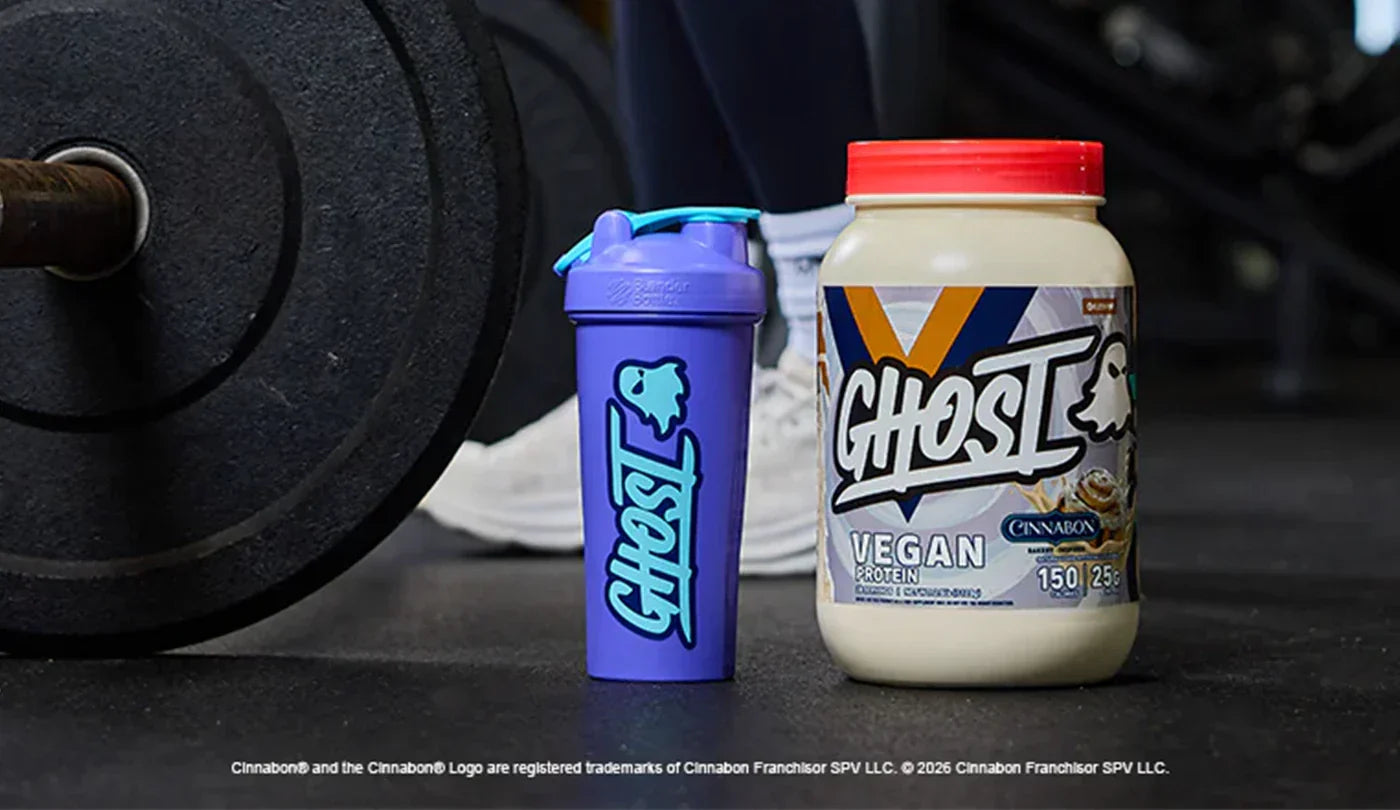
Ghost Vegan Protein
Ghost Vegan is what happens when a brand refuses to let "vegan protein" be second-best. It combines pea protein concentrate with organic pumpkin and watermelon seed proteins — a trio that delivers over 21g of protein per serving and a complete essential amino acid profile, all without soy or gluten. The fully disclosed label means you know exactly what you're getting in every scoop.
What makes Ghost Vegan stand out is the taste. Flavours like Chocolate Cereal Milk and Peanut Butter Cereal Milk have developed a cult following in NZ for genuinely delivering on flavour — a rare thing in the plant protein space. Mixability is smooth, texture is clean, and it works just as well in water as it does blended into oats or smoothies. If you've written off plant protein because of bad past experiences, Ghost Vegan is the product that changes minds.
Radix Nutrition Natural Plant Protein
Radix is a New Zealand brand that approached plant protein from an entirely different angle. Their Natural Plant Protein is built around a DIAAS Complex™ formulation using yellow pea protein isolate and brown rice protein isolate — and it achieves a DIAAS score that matches or exceeds pure whey protein isolate. That's not marketing language, that's a measurable digestibility benchmark.
The formula is naturally sweetened with monk fruit extract, contains no artificial sweeteners, and is designed to be as clean as possible. At 34g per serve with a comprehensive amino acid profile across all nine essential amino acids, it's purpose-built for athletes who want plant protein that genuinely competes with whey on a nutritional level. For Kiwis who care about transparency, clean ingredients, and a locally-developed product, Radix is the benchmark.
Whey Protein: ASN's Top Picks
If whey is your preference — or you want the fastest-absorbing post-workout option — ASN's whey protein range has something for every goal and budget.
Dymatize ISO100 Hydrolysed Whey Protein Isolate
ISO100 is one of the most respected whey proteins in the world for a reason. Every serving delivers 25g of protein, 5.5g of BCAAs, and 2.7g of leucine — the leucine threshold widely considered optimal for triggering muscle protein synthesis. The protein undergoes cross-flow microfiltration and hydrolysis to remove lactose, carbs, fat, and sugar, leaving behind a product that is less than 120 calories per serving with under 1g of fat and 1g of sugar.
ISO100 is gluten-free, digests rapidly, mixes easily, and is banned-substance tested. It's the definition of a performance-focused WPI — no compromises, no fillers, just high-quality protein your muscles can use immediately. If your priority is post-workout recovery and lean muscle support, ISO100 is hard to beat.
MusclePharm Combat 100% Whey
Combat 100% Whey takes a slightly different approach, blending both whey protein isolate and whey protein concentrate in one formula. The isolate component absorbs rapidly for an immediate amino acid hit, while the concentrate fraction provides a more sustained release — making this an excellent all-day protein that works as well between meals as it does post-workout.
Each serving delivers 24–25g of protein with a full complement of BCAAs including leucine, isoleucine, and valine, along with glutamine for recovery support. It's low in sodium, free of artificial dyes, and every batch is Informed Choice certified for banned substances. For athletes who want a reliable, versatile, and great-tasting daily whey, Combat Whey consistently earns its place.
Basic Supplements Whey Protein Blend
If you're after a high-quality whey that won't break the budget but doesn't cut corners on nutrition, Basic Supplements delivers exactly what the name suggests — solid, no-nonsense whey protein at an accessible price point. It's a straightforward blend designed for everyday use, making it a smart entry point for anyone new to protein supplementation or looking to keep their weekly supplement spend in check without sacrificing quality.
Which Should You Choose?
There's no universal answer, and that's actually a good thing — it means you can choose based on what genuinely works for your body, your lifestyle, and your values.
Choose plant-based protein if: you follow a vegan or plant-forward diet, you're lactose intolerant, you want a gut-friendly option that digests well throughout the day, you care about clean and minimal ingredients, or you're simply curious about expanding your nutrition options without compromising on results.
Choose whey protein if: you want the fastest-absorbing option for post-workout recovery, you're focused on maximising leucine intake around training, you find whey easier to hit your daily protein targets with, or you simply prefer the taste and texture of dairy-based protein.
Don't feel like you have to choose just one. Many people use both — a fast-absorbing whey post-workout and a plant-based protein earlier in the day or before bed. It's a practical strategy that gets the best of both worlds.
The Bottom Line
In 2026, the plant-based protein vs whey debate doesn't have a clear loser. Plant proteins have matured enormously — in science, in formulation, and in taste. For the vast majority of people, a well-formulated plant blend will deliver the same results as whey when protein targets are met consistently.
Whey retains a practical edge for immediate post-workout use and raw leucine delivery, but the performance gap is smaller than it's ever been — and for many people, it's not a gap that matters at all.
Whatever you decide, the best protein is the one you'll actually use every day. Browse the full range of protein powders at ASN NZ and find the option that fits your goals, your diet, and your taste buds.


Leave a comment
All comments are moderated before being published.
This site is protected by hCaptcha and the hCaptcha Privacy Policy and Terms of Service apply.