

Cycling season is in full swing. The days are longer, the roads are drier and, with summer sportives, charity rides and club races filling up the calendar from Northland to Southland, plenty of Kiwi riders are clocking up big kilometres. Every year around now we get cyclists in store asking the same questions: how many gels do I actually need, do I need electrolytes or just water, and is caffeine worth it on the day?
The good news is that cycling nutrition isn't complicated once you know the basics. This guide covers the best supplements for cyclists in NZ, what the research says about fuelling longer rides, and a simple plan you can practise on your weekend rides before your next big day out.
Supplements for Cyclists at a Glance
| Supplement | When to Use It | What the Research Says |
|---|---|---|
| Energy gels | Rides over about an hour | 30–60g of carbs per hour for 1–2.5 hour efforts, up to 90g per hour beyond 2.5 hours |
| Carb drink powder | In your bottles on longer rides | An easy way to add carbs while you drink |
| Electrolytes | Long, hot or sweaty rides | Aim to avoid losing more than 2% of body weight through sweat |
| Caffeine | Before or during key rides | 3–6mg per kg of body weight, most often about 60 minutes before |
| Protein | After riding and across the day | 1.4–2.0g per kg per day, in 20–40g doses every 3–4 hours |
Why Fuelling Matters So Much on the Bike
On a long ride, carbohydrate is your main fuel, and your body only stores so much of it. Run low and you'll know about it: heavy legs, a pace that drops off a cliff, and the last hour feeling twice as long as the first. Cyclists call it "bonking" or "hitting the wall".
The upside of cycling is that eating and drinking on the bike is far easier than on a run. You've got bottle cages, jersey pockets and a gut that isn't being bounced around, so you can take in more fuel more comfortably. Most of the riders we talk to aren't under-trained. They're under-fuelled.
How Many Carbs Per Hour?
A widely cited review on carbohydrates for training and competition by Burke and colleagues set out these targets for carbohydrate during exercise:
- Under 45 minutes: not needed.
- 45–75 minutes of hard, sustained effort: small amounts, even just rinsing a carb drink around your mouth, may help.
- 1 to 2.5 hours: 30–60g of carbohydrate per hour.
- Over 2.5 hours: up to 90g per hour. At these higher rates, products that blend different carbs, such as glucose and fructose, help your body absorb more.
To put that into real terms, one 30g gel every 30 minutes gives you 60g an hour. For a long event, you could add carbs in your bottle on top of that to edge closer to 90g. The same review stresses that you should practise your plan in training to find what suits your gut, which is why we always tell riders: nothing new on race day.
Do You Need to Carb Load?
For events lasting longer than 90 minutes, the same review recommends 10–12g of carbohydrate per kg of body weight per day for 36–48 hours beforehand. For a 75kg rider, that's 750–900g of carbs a day, which is a lot more than most people expect. Think extra rice, pasta, bread, potatoes and fruit, and go easy on fibre and fat so you're not uncomfortable on the start line.
On the morning of the event, the review suggests 1–4g of carbs per kg of body weight in the 1–4 hours before you start, for events over an hour. A bowl of porridge or rice with honey, a couple of slices of toast and a banana is a classic. If you like something simple and easy on the stomach, RAW Nutrition Cream of Rice is a quick, warm breakfast option.
Best Supplements for Cyclists NZ: Our Top 7
These are the products we recommend most to riders, from first-timers training for their first sportive to seasoned riders chasing a personal best. Browse the full carbohydrates and gels range for more options.
1. Pillar Performance Energy Gel 30
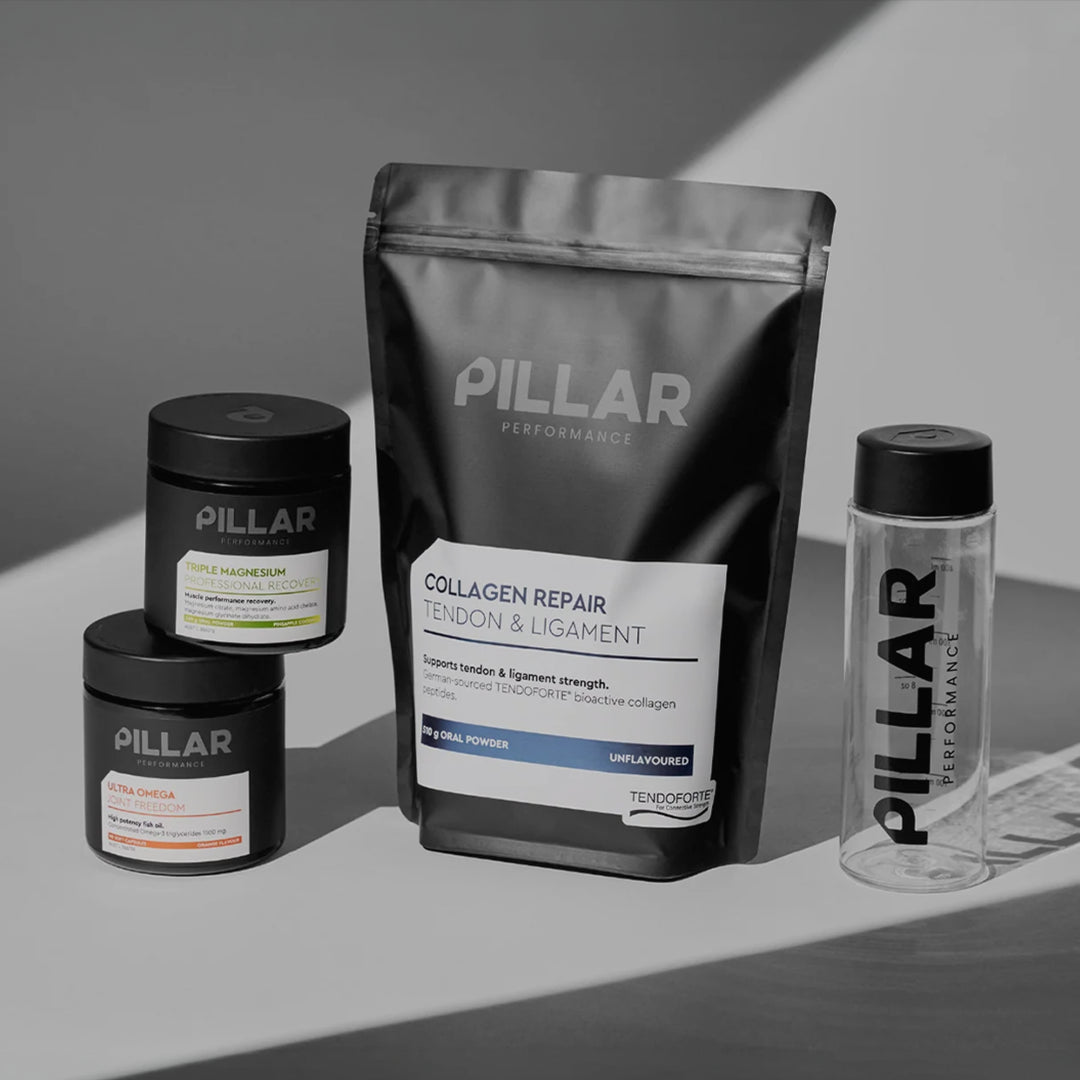
Pillar Performance Energy Gel 30 is our go-to for longer rides. Each 50g gel has 30g of carbohydrate in a 1:0.8 glucose-to-fructose ratio, which ties in nicely with the research on blended carbs for higher intakes. It also has added sodium, zero caffeine and is independently tested for a broad range of banned substances. The label suggests one gel every 30 minutes with water, which works out at 60g of carbs an hour.
2. HiveEnergy Sports Fuel
If you prefer something more natural, HiveEnergy Sports Fuel is an energy gel made with New Zealand honey, giving you a mix of glucose and fructose. It comes in 35g single serves with flavours like Lemon & Honey and Berry & Honey, plus a Raw with Himalayan Salt option for hot days. HiveEnergy suggests one gel 15 minutes before you start, then one every 45 minutes, followed by water.
3. FUELR Isotonic Energy Gels
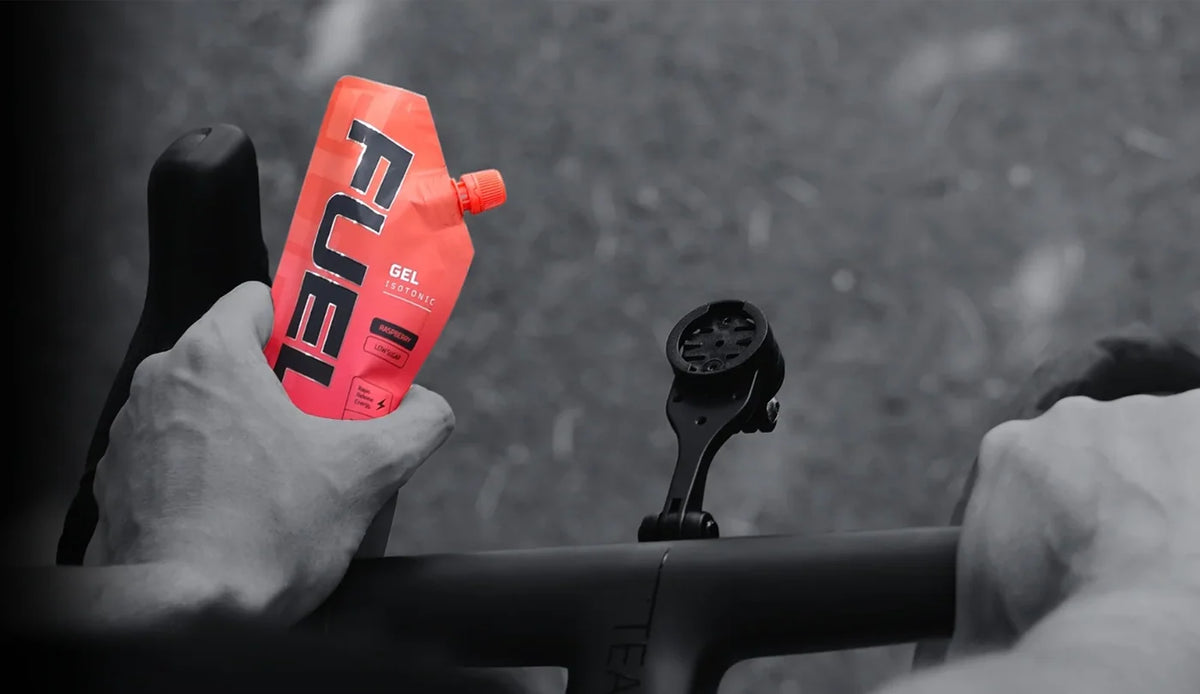
FUELR Isotonic Energy Gels are thinner, isotonic gels that are designed to be taken without extra water. That's handy when your bottles are running low between aid stations. Take one every 30–45 minutes, and pick up the variety pack if you want to test flavours on your training rides first.
4. GAT Sport Cyclic Dextrin
Gels aren't the only way to get your carbs in. GAT Sport Cyclic Dextrin gives you 24g of carbohydrate per scoop from highly branched cyclic dextrin. It's unflavoured, so you can mix it into your bottle with your electrolytes and sip as you ride. A scoop in each bottle on top of a couple of gels an hour is an easy way to push your carb intake up on longer days.
5. Pillar Performance Electrolyte Hydration
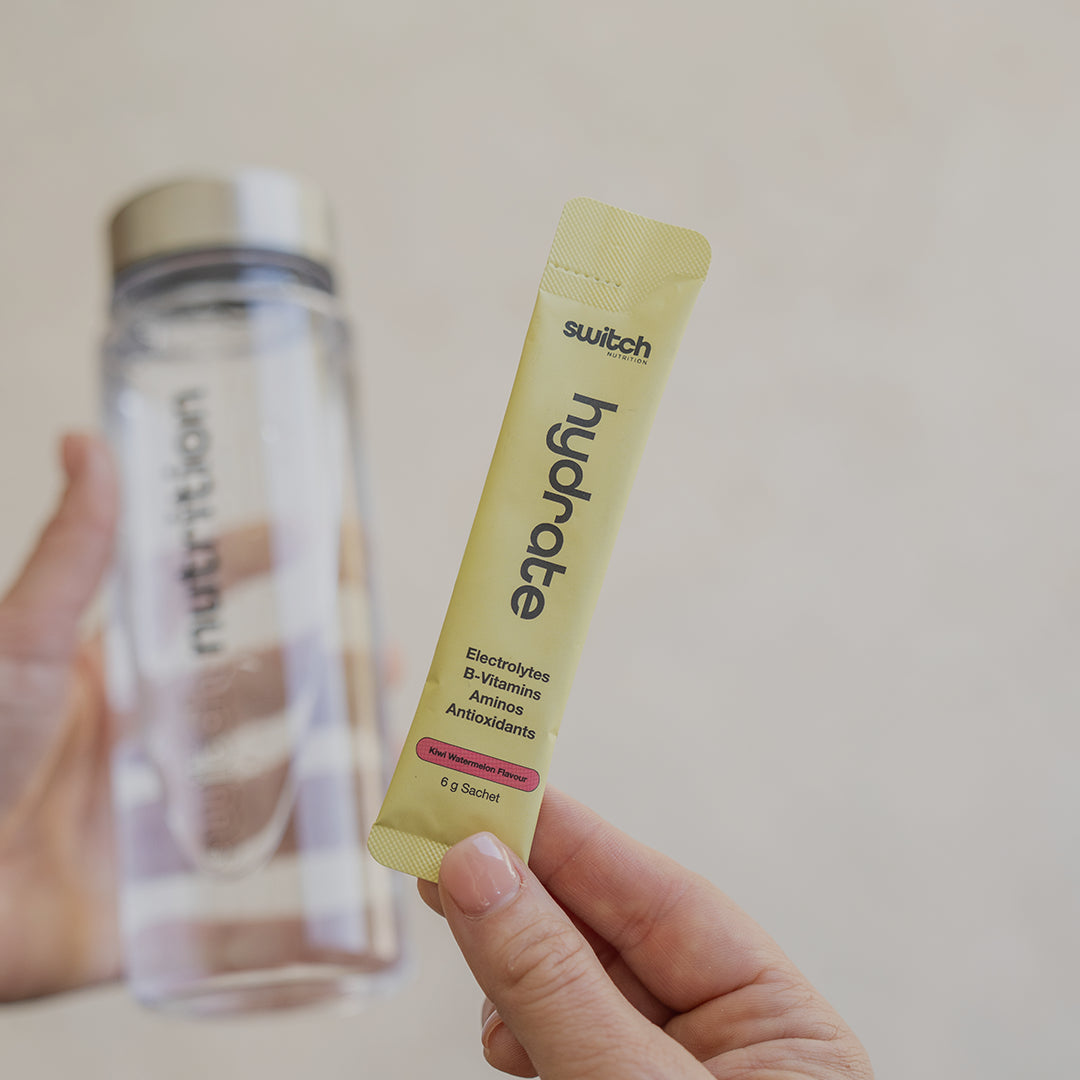
Pillar Performance Electrolyte Hydration has 400mg of sodium, 190mg of potassium and 80mg of magnesium per serve, with no added sugar and no caffeine. Mix a 7g serve into 500–750ml of water, which suits a standard bike bottle. It's Informed Sport certified, which matters if you race and could be drug tested. You'll find more tested options in our Certified for Sport range.
6. Basic Supplements Hydration
Basic Supplements Hydration is a zero-sugar electrolyte mix with sodium, potassium and magnesium in 5g stick packs. Mix one with 250–500ml of water. The sticks slip easily into a jersey pocket for refilling bottles mid-ride, and it's third-party lab tested for quality and label accuracy.
7. Basic Supplements Whey Protein Blend
Recovery starts once you're off the bike. Basic Supplements Whey Protein Blend is our everyday value pick, and it's third-party lab tested for label accuracy and purity. A shake after a long ride is an easy way to get protein in when you don't feel like cooking. See the full protein powder range for other options.
Hydration: How Much Is Enough?
The American College of Sports Medicine's position stand on exercise and fluid replacement recommends trying to prevent losing more than 2% of your body weight from fluid during exercise, along with big shifts in electrolytes, as both can hurt performance. For a 75kg rider, 2% is 1.5kg.
The same position stand makes a few other practical points:
- Start hydrated. Drink with your meals in the hours before a ride, not just in the last ten minutes.
- Everyone sweats differently. Sweat rates and how salty your sweat is vary a lot between people, so a personal plan beats a one-size-fits-all rule.
- Weigh yourself before and after. Checking your weight before and after a training ride gives you a rough idea of your sweat rate. If you're consistently down more than 2%, drink a bit more next time.
- Electrolytes and carbs can help. Drinks with electrolytes and carbohydrates may offer advantages over water alone in some situations, such as long or hot rides.
The goal is to replace what you lose, not to drink as much as you possibly can, so there's no need to force down bottle after bottle. For a deeper dive, read our Best Electrolytes NZ 2026 guide or browse the electrolytes and hydration range.
Caffeine: Worth It for Cyclists?
For endurance riders, caffeine is one of the best-supported supplements around. The International Society of Sports Nutrition's position stand on caffeine found that aerobic endurance shows the most consistent moderate-to-large benefits from caffeine, although how much it helps varies from person to person.
The key points from the position stand:
- Dose: 3–6mg per kg of body weight consistently improves performance. For a 70kg rider, that's 210–420mg. The minimum effective dose is less clear, but it may be as low as 2mg per kg.
- Timing: the most common approach is about 60 minutes before exercise, although faster-acting forms may need less lead time.
- More isn't better: very high doses, such as 9mg per kg, come with a high rate of side effects and don't appear necessary.
- Watch your sleep: some people find caffeine affects their sleep or makes them anxious, which matters before an early race start.
If you want caffeine during the ride itself, FUELR Caffeinated Energy Gels are an easy option. Check the label for the caffeine content per gel and count every source, including your morning coffee, towards your total. If you're new to caffeine or sensitive to it, start low and test it on a training ride. Our article on caffeine and performance goes into more detail.
Protein and Recovery
Carbs come first for performance on the bike, and the ISSN's position stand on protein says the same: endurance athletes should focus on getting enough carbohydrate. Protein still has an important job in recovery and in helping your body adapt to all those kilometres.
The ISSN recommends 1.4–2.0g of protein per kg of body weight per day for most people who exercise, spread evenly across the day in doses of 20–40g, roughly every 3–4 hours. After a long ride, pair protein with carbs to refill the tank. A shake and a bowl of rice, or a proper meal with meat, fish, eggs or legumes, does the job. Our guide to how much protein you need helps you work out your own target.
A Simple Fuelling Plan for Your Next Big Ride
Here's how a long event ride might look for a 70–75kg rider. Practise this on your longer weekend rides and adjust it to suit your gut, the weather and how you feel.
- Two days out: bump up your carbs to around 10–12g per kg per day, keeping fibre and fat lower.
- Breakfast (2–4 hours before): a carb-based meal you've tested, plus a drink.
- About an hour before: caffeine if you've practised with it.
- On the bike: start fuelling early, within the first 30 minutes. Aim for 60g of carbs an hour from gels and bottles, building up towards 90g per hour on rides beyond 2.5 hours if your gut handles it.
- Bottles: electrolytes in at least one bottle, especially on hot days. Drink to stay within about 2% of your starting weight.
- After: protein and carbs within a couple of hours, plus fluids and electrolytes to replace what you've lost.
Don't forget the sun. Long summer rides mean hours of sun exposure, so slop on sunscreen before you start and reapply at aid stations.
Common Mistakes We See
- Waiting until you're hungry to eat. By then you're already behind. Set a timer on your bike computer if it helps.
- Trying new products on event day. Every gel and drink should have been tested on a training ride first.
- Relying on water alone in the heat. On long, sweaty rides, add electrolytes.
- Doubling up on caffeine. A strong coffee, a caffeinated gel and a pre-workout adds up fast.
- Skipping recovery. A big ride leaves your tank empty. Refuel properly so you're ready for the next one.
If you're also a runner or doing multisport this summer, check out our best supplements for runners and our guide to fuelling endurance events with carbs and electrolytes.
The Bottom Line
The best supplements for cyclists aren't fancy. They're the basics done well: enough carbs on the bike (30–60g an hour, up to 90g on the longest days), electrolytes when it's hot or you're out for hours, caffeine used sensibly, and protein to recover afterwards. Gels like Pillar Performance Energy Gel 30, HiveEnergy and FUELR, a carb powder for your bottles, and a good electrolyte mix will cover most riders from a weekend loop right through to a full-day event.
Most importantly, practise your plan before the big day. Got questions about fuelling your summer riding? Chat with the team in store or online, we're always happy to help.
References
- Burke LM, Hawley JA, Wong SHS, Jeukendrup AE (2011). Carbohydrates for training and competition. Journal of Sports Sciences.
- Guest NS et al. (2021). International society of sports nutrition position stand: caffeine and exercise performance. Journal of the International Society of Sports Nutrition.
- Jäger R et al. (2017). International Society of Sports Nutrition Position Stand: protein and exercise. Journal of the International Society of Sports Nutrition.
- Sawka MN et al. (2007). American College of Sports Medicine position stand: Exercise and fluid replacement. Medicine & Science in Sports & Exercise.
- Product information: ASN product listings and manufacturer labels.
This article is general information only and isn't a substitute for medical advice. If you have a health condition, are pregnant or take medication, check with your GP before starting any new supplement.
Leave a comment
All comments are moderated before being published.
This site is protected by hCaptcha and the hCaptcha Privacy Policy and Terms of Service apply.