


When it comes to fuelling endurance, few things matter more than how well you manage your carbs and electrolytes for endurance. Whether you're running, cycling, swimming, racing HYROX, or tackling a multi-sport event, your body relies on a steady supply of energy and fluid balance to perform at its peak.
This guide breaks down the science of carbs and electrolytes, how to use them together, and evidence-backed strategies to help you fuel smarter before, during, and after your next endurance event.

Why Carbohydrates Are Essential for Endurance Performance
Carbohydrates are your body’s most efficient source of high-intensity fuel. When you train or compete in any endurance event, your muscles rely on glycogen — the stored form of carbohydrates — for energy. The harder and longer you go, the quicker glycogen burns through.
Once glycogen gets low, you risk:
- Fatigue
- Cramping
- Slower pace
- The dreaded “bonk”
That’s why your fuelling plan matters so much. You’re not just eating for energy — you’re ensuring your performance doesn’t fall off a cliff when intensity rises.
Electrolytes: The Unsung Heroes of Endurance
Electrolytes — mainly sodium, potassium, magnesium, and chloride — regulate hydration, muscle function, and nerve signalling. During endurance events, athletes lose electrolytes through sweat at varying rates.
Signs you need more electrolytes include:
- Cramping
- Feeling unusually thirsty
- Fatigue out of proportion to effort
- Headaches
- Sluggish pace despite fuelling
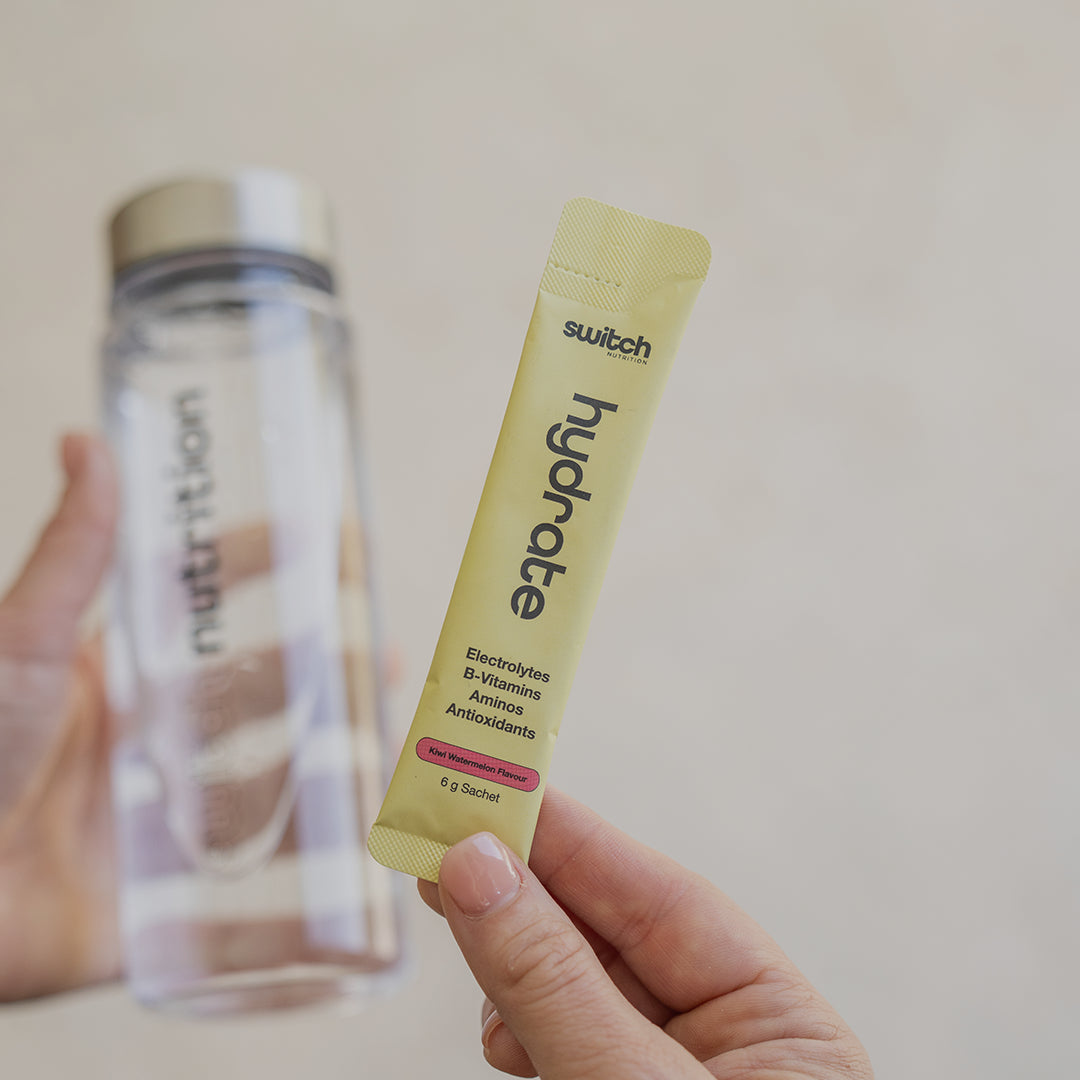
Electrolyte drinks are not just for hot conditions; they are essential for long-duration efforts, high sweat rates, and maintaining consistent hydration. Explore top options here: Electrolytes & Hydration Supplements.
The Power Combo: Why Carbs + Electrolytes Work Better Together
Pairing carbs and electrolytes is the gold standard for fuelling endurance because:
- Sodium enhances carbohydrate absorption through the small intestine.
- Electrolytes improve hydration, which helps maintain blood volume during high effort.
- Carbs provide immediate fuel for muscles, keeping energy steady over long durations.
- The combination improves performance more than either alone.
This is why sports gels, drink mixes, and carbohydrate drinks usually contain both — they work synergistically.
Browse carb fuelling options here: Carbohydrates & Gels.
How to Fuel During Endurance Events
Your intra-event fuelling strategy depends on event duration, intensity, heat, and personal tolerance. But for most endurance athletes, these guidelines form a strong foundation.
1. Aim for 30–60g carbs per hour (1–2 hours duration)
The body can comfortably absorb around 30–60g of carbs per hour for events up to two hours. This is ideal for:
- Half-marathons
- Fast-paced cycling
- HYROX events
- Open-water swims
2. Increase to 60–90g carbs per hour (2–4+ hours duration)
For marathons, long rides, ultras, or triathlons, fuel needs increase. Newer research shows athletes can absorb up to 90g of carbs per hour when using a mix of glucose + fructose.
Common carb sources include:
- Energy gels
- Carb drink mixes
- Energy chews
- Bananas or simple carb foods
3. Sip electrolytes every 10–15 minutes
Hydration is more effective when taken in small, frequent sips rather than big gaps. This improves absorption and helps prevent mid-race slumps.
4. Don’t wait until you’re tired
Start fuelling early — ideally 20–30 minutes into the event. Waiting until you “feel” like you need energy is too late.
Electrolyte and Carb Ratios for Race Day
Here’s a simple, practical breakdown that suits most endurance athletes:
- Carbs: 60–90g per hour
- Sodium: 300–600mg per hour (higher for salty sweaters)
- Fluids: 400–800ml per hour depending on heat and sweat rate
Cyclists and triathletes often consume more fluids per hour due to higher sweat evaporation and easier access to bottles.
How to Carb Load for an Endurance Event
Carb loading maximises the glycogen stored in your muscles, giving your body a bigger energy reserve before race day. Contrary to popular belief, you don’t need to gorge yourself on pasta the night before — effective carb loading happens gradually.
1. Start 2–3 days before the event
Increase carb intake to around 7–10g per kg of bodyweight (race-dependent). This ensures glycogen stores are optimised without digestive stress.
2. Reduce fibre slightly
This prevents bloating or discomfort — especially helpful for runners.
3. Spread meals evenly
Frequent, carb-rich meals work better than a single enormous dinner.
4. Keep electrolytes high
Sodium helps your body store both carbohydrates and water. Hydrating well before an event is just as important as hydrating during it.
Race Day Morning: What to Eat and Drink
A general plan for most endurance athletes:
- 3–4 hours out: A carb-rich meal (porridge, bagel + honey, rice pudding).
- 60 minutes out: Light carbs (a banana, gel, or sports drink).
- 30 minutes out: Sip electrolytes for pre-hydration.
The goal is to arrive at the starting line energised, hydrated, and with stable blood sugar levels.
Common Mistakes to Avoid
- Relying only on water: Leads to electrolyte imbalance, fatigue, and cramping.
- Under-fuelling early: You can’t catch up once glycogen drops.
- Trying new products on race day: Always test gels and drinks in training.
- Eating too much too close to the start: Can cause stomach distress.
Putting It All Together: Your Endurance Fuelling Blueprint
Here’s a simple summary you can use for most endurance events:
Before the Event
- Carb load 2–3 days prior.
- Stay hydrated with electrolytes.
- Aim for familiar carb-rich meals.
During the Event
- Carbs: 60–90g per hour.
- Electrolytes: 300–600mg sodium per hour.
- Sip fluids regularly, not all at once.
After the Event
- Replenish carbs and fluids within 30 minutes.
- Add protein for muscle repair.
- Continue electrolyte intake if it was a hot day.
Explore high-performance fuelling options here:
Final Thoughts
Mastering carbs and electrolytes for endurance is one of the simplest ways to boost performance, avoid fatigue, and get the most out of your training. When you fuel smart, stay hydrated, and prepare well, your body can perform the way you’ve trained it to — consistently, powerfully, and confidently.
Whether you're racing a marathon, chasing a new PR on the bike, or taking on a multi-discipline event, having a structured fuelling strategy is your key advantage.
Dial in your approach, use trusted products, and practise your plan — and you’ll feel the difference on race day.

Leave a comment
All comments are moderated before being published.
This site is protected by hCaptcha and the hCaptcha Privacy Policy and Terms of Service apply.