






Light evenings, warmer mornings and summer on the way make late November one of the best times of year to start running in New Zealand. Every spring we get customers in store telling us the same thing: they want to get fitter before Christmas, they've signed up for a fun run with mates, or they just want something simple they can do from the front door.
Running is about as low-cost as exercise gets, but most new runners make the same mistake: they go out too hard, too often, and end up sore, injured or fed up within a month. This guide covers how to start running the smart way, with a simple 8-week run/walk plan to get you to 5km, what the research says about building up safely, and the few bits of kit and nutrition that actually make a difference.
How to Start Running at a Glance
| Step | What to Do | Why It Matters |
|---|---|---|
| Start with run/walk | Mix short running intervals with walking breaks | Lets your legs and lungs adapt without overdoing it |
| Run 3 days a week | Leave a rest or walking day between runs | Gives your body time to recover and adapt |
| Build gradually | Avoid big jumps in weekly distance | Large, sudden increases are linked to more overuse niggles |
| Go slow | Run at a pace where you can still talk | Even slow running is linked to real health benefits |
| Be sun smart | Run early or late, wear a hat and SPF 30+ | NZ's summer UV is strong between 10am and 4pm |
| Fuel and hydrate | Drink to thirst, add electrolytes on hot days, eat protein after | Helps you recover and feel good for the next run |
Why Start Running This Summer?
You don't need to run far or fast to get a lot out of it. A large 2014 study that followed more than 55,000 adults for an average of 15 years found that runners had about a 30% lower risk of dying from any cause and about a 45% lower risk of dying from cardiovascular disease than non-runners. The surprising part was how little running it took. Even 5 to 10 minutes a day, at slow speeds, was linked to substantially lower risk. It's an observational study, so it shows an association rather than proof of cause and effect, but it's a great reminder that a little running goes a long way.
Running also fits neatly into Health New Zealand's activity guidance for adults, which recommends at least two and a half hours of moderate activity or an hour and a quarter of vigorous activity each week, plus muscle-strengthening activities on at least two days. If you've been inactive for a while, the guidance is to start slowly with short sessions of 5 to 10 minutes and work up from there. If it's been a long time since you were active or you have a health condition, check in with your GP or nurse first.
Your 8-Week Beginner 5K Plan
This plan uses run/walk intervals, which is the easiest way for most people to start running. Do three sessions a week on non-consecutive days, for example Monday, Wednesday and Saturday. Every session starts with a 5-minute brisk walk to warm up and finishes with a 5-minute easy walk.
| Week | Each Session (after warm-up) | Total Running Time |
|---|---|---|
| 1 | Run 1 min, walk 2 min. Repeat 6 times | 6 min |
| 2 | Run 2 min, walk 2 min. Repeat 5 times | 10 min |
| 3 | Run 3 min, walk 2 min. Repeat 4 times | 12 min |
| 4 | Run 5 min, walk 2 min. Repeat 3 times | 15 min |
| 5 | Run 8 min, walk 2 min. Repeat 2 times, then run 3 min | 19 min |
| 6 | Run 10 min, walk 2 min, run 10 min | 20 min |
| 7 | Run 15 min, walk 1 min, run 10 min | 25 min |
| 8 | Run 25–35 min continuously, or your first 5km | 25–35 min |
A few ground rules:
- Repeat a week if you need to. If a week felt like a real struggle, do it again. There's no prize for finishing in exactly eight weeks.
- Slow down before you stop. If you can't hold a conversation, you're going too fast. Most beginners are surprised how slow "easy" running feels.
- Walking breaks aren't cheating. They're what lets you build up time on your feet without burning out.
How Fast Should You Build Up?
You've probably heard of the "10% rule": never increase your weekly distance by more than 10%. It sounds sensible, but the research is more mixed than you'd expect.
In a randomised controlled trial of 532 novice runners training for a 6.7km event, one group followed a slower, graded 13-week programme based on the 10% rule and the other followed a standard 8-week programme. Injury rates were almost identical: 20.8% in the graded group versus 20.3% in the standard group. In other words, the extra-cautious plan didn't reduce injuries.
A separate 2014 study tracked 874 new runners with GPS watches for a year. Overall injury rates didn't differ much between people who progressed slowly and those who progressed quickly. However, runners who increased their weekly distance by more than 30% appeared more likely to develop distance-related injuries, such as knee pain and ITB issues, although that result wasn't statistically significant. The researchers suggested new runners keep increases below 30% over a two-week period while more research is done.
What we take from that is simple: there's no magic number, but big, sudden jumps are worth avoiding. Build steadily, listen to your body, and if something hurts in a way that's getting worse rather than better, back off and get it checked by a physio.
Don't Skip Strength Work
Two short strength sessions a week will help you feel more solid on your feet and tick off the muscle-strengthening part of the activity guidelines. Keep it simple: squats, lunges, glute bridges, calf raises and a plank. Fifteen to twenty minutes is plenty. If you're already lifting, keep doing it and slot your runs around your sessions.
Running in a Kiwi Summer: Sun and Heat
New Zealand's summer sun is no joke. SunSmart, run by the Cancer Society, advises sun protection from September to April, especially between 10am and 4pm. For runners, that means:
- Run early or in the evening where you can. It's cooler, the UV is lower, and the footpaths are quieter.
- Slop on broad-spectrum, water-resistant SPF 30+ sunscreen about 20 minutes before you head out, and reapply every two hours or after sweating.
- Slap on a cap or hat and wrap on close-fitting sunglasses.
- Choose shady routes like river walkways and tree-lined parks on hot days.
Hydration: Do Beginners Need Electrolytes?
For a 20 to 30-minute easy run in mild weather, water is usually all you need. Where electrolytes start to earn their place is on hot, humid days or longer runs. Sweat contains sodium and other minerals, and water alone doesn't replace them.
A few easy options we often recommend to new runners:
- Basic Supplements Hydration is a zero-sugar electrolyte mix in 5g stick packs with sodium, potassium and magnesium, and it's third-party lab tested. Mix one with 250–500ml of water.
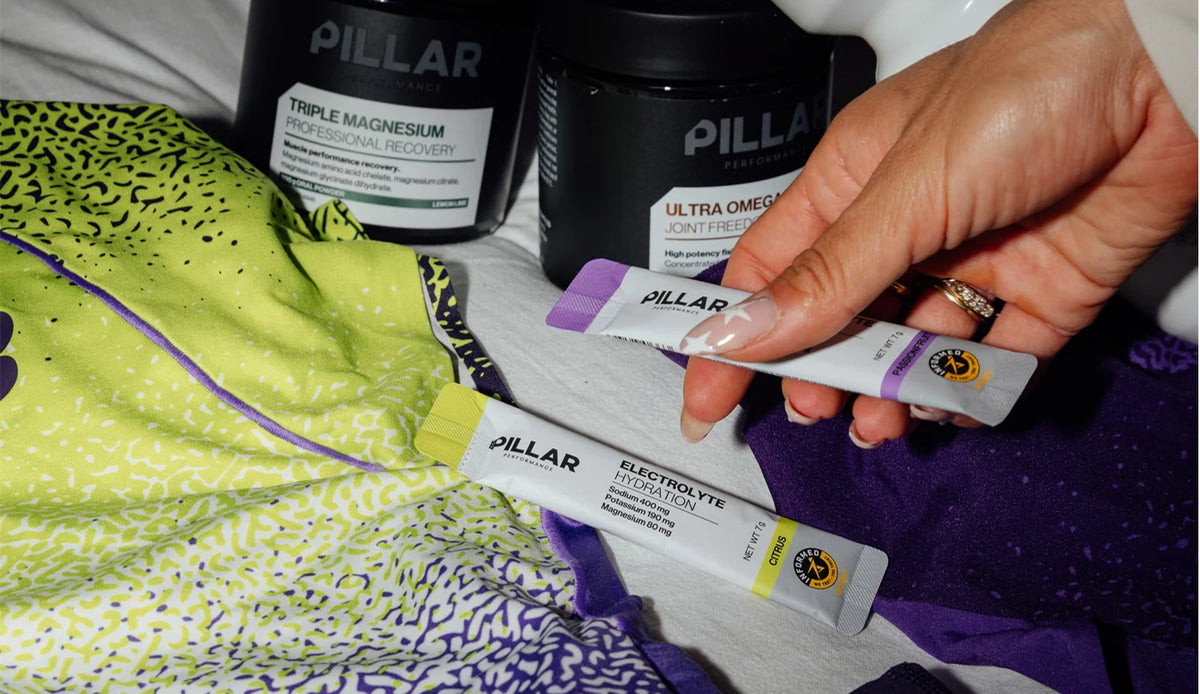
- Pillar Performance Electrolyte Hydration has 400mg of sodium per serve with potassium and magnesium, no added sugar and no caffeine. It's Informed Sport certified, which makes it a good pick if you get into events down the track.
- Nexus Hydration+ comes in single-serve 8g sachets with 152mg of sodium, 269mg of potassium and under 1g of sugar, plus 1g of creatine monohydrate per serve. Handy for the glovebox or gym bag.
You'll find more in our electrolytes and hydration range, and we compare the top options in Best Electrolytes NZ 2026.
What to Eat Around Your Runs
Beginners don't need gels, special drinks or complicated fuelling. A few basics cover it:
- Before a run: if you're running first thing, a short easy run on an empty stomach is fine for most people. If you're running later in the day, a light snack an hour or two beforehand, like a banana or toast, works well.
- After a run: have a normal meal or snack that includes some protein. Protein helps your muscles repair and adapt, which matters once you're running three times a week and adding strength work.
- Across the day: aim to spread your protein over your meals rather than loading it all into dinner. Our guide to how much protein you need helps you work out a target.
If you struggle to fit protein in after an early run before work, a shake is the easy fix. Basic Supplements Whey Protein Blend is our everyday value pick and is third-party lab tested for label accuracy and purity. If you'd rather grab and go, Grenade Protein Shakes give you up to 25g of protein per 330ml bottle for under 200 calories and are tested by Informed Sport. Browse the full protein powder range for more options.
New to supplements altogether? Start with our guide to the best supplements for beginners. Food comes first, and supplements just fill the gaps.
Kit: What You Actually Need
The good news is that you don't need much:
- Comfortable running shoes. This is the one thing worth spending a bit on. Go for comfort over looks, and if you can, get fitted at a running shop.
- Breathable clothes. Anything that doesn't chafe. A good sports bra makes a big difference for women.
- A drink bottle for longer or hotter runs. A shaker or bottle does double duty for your post-run shake.
- A watch or free app to time your intervals. You don't need anything fancy.
Find Your People: parkrun
One of the best things a new runner can do is find a group. parkrun is a free, timed 5km run or walk held every Saturday morning. Here in town, Palmerston North parkrun starts at 8am every Saturday on the Manawatū riverside walkway, just upstream of Fitzherbert Bridge. Walkers are welcome, so you can start doing it in week one of the plan above. You just need to register online for a free barcode and bring it along each week to record your time.
Once you've nailed your first 5km and want to go further, our best supplements for runners guide covers what's worth adding as your distance builds.
Common Beginner Mistakes
- Running every day in week one. Enthusiasm is great, but rest days are when your body adapts.
- Going too fast. Slow down until you can talk in full sentences.
- Doing too much too soon. Avoid big jumps in how far or how often you run.
- Ignoring pain that's getting worse. Some muscle soreness is normal when you start. Sharp pain, or pain that keeps getting worse, is a signal to stop and get it looked at.
- Running in the midday sun. Early mornings and evenings are cooler and kinder on your skin.
The Bottom Line
Starting to run doesn't have to be hard. Use run/walk intervals, run three times a week with rest days in between, keep the pace easy and avoid big jumps in how much you do. Be sun smart, drink to thirst with electrolytes on hot or long days, and get some protein in after your runs. Eight weeks from now you could be crossing the line at your first 5km, just in time for summer.
References
- Buist I et al. (2008). No effect of a graded training program on the number of running-related injuries in novice runners: a randomized controlled trial. The American Journal of Sports Medicine.
- Cancer Society of New Zealand (n.d.). Be SunSmart. SunSmart.
- Health New Zealand | Te Whatu Ora (2025). Be active every day: Physical activity for adults. HealthEd.
- Lee DC et al. (2014). Leisure-time running reduces all-cause and cardiovascular mortality risk. Journal of the American College of Cardiology.
- Nielsen RØ et al. (2014). Excessive progression in weekly running distance and risk of running-related injuries: an association which varies according to type of injury. Journal of Orthopaedic and Sports Physical Therapy.
- Club Sandwich (n.d.). Palmerston North parkrun. Palmerston North City Library.
- Product information: ASN product listings and manufacturer labels.
This article is general information only and isn't a substitute for medical advice. If you have a health condition, are pregnant or take medication, check with your GP before starting any new supplement.

Leave a comment
All comments are moderated before being published.
This site is protected by hCaptcha and the hCaptcha Privacy Policy and Terms of Service apply.