

If your usual tub of protein has cost more every time you've reordered this year, it's not your imagination. Protein prices in NZ have climbed sharply through 2026, and whey is at the centre of it. The good news is that you don't have to cut back on protein to cope. With a few smarter buying habits, most Kiwis can keep hitting their targets and get noticeably more value from every scoop.
Below, we explain why whey protein prices keep rising, then walk through seven practical ways to stretch your protein budget without sacrificing quality.
Why Are Protein Prices Going Up in 2026?
Whey isn't priced like a local grocery item. It's a globally traded dairy commodity, sold to whoever pays the most, and right now demand is far outstripping supply. A few things are driving that:
- High-protein everything. Protein has moved well beyond the gym. Bars, yoghurts, cereals, coffees and ready-to-drink shakes all compete for the same whey supply.
- GLP-1 medications. People using weight loss medications are being advised to prioritise protein to protect muscle mass, which adds a big new source of demand. Our guide to GLP-1 and supplements covers why protein matters so much here.
- Limited processing capacity. Whey is a by-product of cheese making, and turning it into concentrate or isolate takes specialised filtration plants. New plants take years to build, so supply can't simply ramp up to meet demand.
- Isolate hit hardest. Isolate needs extra filtration and yields less finished protein per litre of milk, so it has seen some of the steepest increases.
Some New Zealand brands have reported their whey input costs roughly doubling during 2026 alone. Being a dairy nation doesn't shield Kiwi shoppers either. NZ whey is sold on the same global market as everyone else's.
So what can you actually do about it? Here are seven strategies that genuinely work.
1. Work Out How Much Protein You Actually Need
The cheapest scoop is the one you didn't need to take. Plenty of people double-scoop "just to be safe" or drink three shakes a day when one or two would cover the gap between their meals and their target.
Most active adults do well on 1.6–2.2 g of protein per kilogram of bodyweight. For an 80 kg person training regularly, that's roughly 130–175 g a day. Once you know your number, add up what you already get from food, and your shakes only need to cover the shortfall. Our NZ bodyweight and goal protein guide breaks this down by weight and goal, so you're not guessing.
Two quick wins:
- Level your scoops. A heaped scoop can easily add 20–30% more powder than the label serve, which means your tub runs out faster than it should.
- Food first, shakes second. Eggs, milk, Greek yoghurt, tinned tuna and chicken thighs are still some of the most affordable protein sources around. Let protein powder fill gaps rather than carry your whole intake.
2. Compare Cost Per Serve, Not Tub Price
Tub price is the least useful number on the shelf. Two tubs with a similar sticker can deliver very different value once you account for size, scoop weight and protein per serve. Here's how to compare properly:
- Divide the tub price by the number of servings to get your cost per serve.
- Check the grams of protein per serve on the nutrition panel. It's usually somewhere between 20 g and 30 g.
- To compare fairly, work out the cost per 25 g of protein: divide the cost per serve by the protein per serve, then multiply by 25.
It takes thirty seconds on your phone calculator and instantly shows which option is genuinely better value. When you're comparing labels, these are the details that matter:
| What to check | Where to find it | Why it matters |
|---|---|---|
| Servings per tub | Nutrition panel | Tells you how long the tub will actually last |
| Protein per serve | Nutrition panel | A 30 g scoop with 21 g of protein isn't the same as one with 25 g |
| Scoop size (g) | Directions for use | Bigger scoops mean fewer serves per kilogram |
| Protein source | Ingredients list | Concentrate, blend and isolate are priced very differently |
| Third-party testing | Product description or label | Cheap protein isn't good value if the label can't be trusted |
3. Choose a Blend Unless You Genuinely Need Isolate
This is the single biggest saving most people can make. Isolate is filtered further to strip out more lactose, fat and carbohydrate, and because it's been hit hardest by the shortage, the price gap between isolate and a quality whey blend has widened.
For most lifters, a good whey blend builds muscle just as effectively. The research is clear that total daily protein matters far more than whether each scoop is concentrate or isolate. We unpack this fully in Whey vs Isolate: Which Protein Should You Actually Buy?
Two blends worth looking at in the whey protein range:
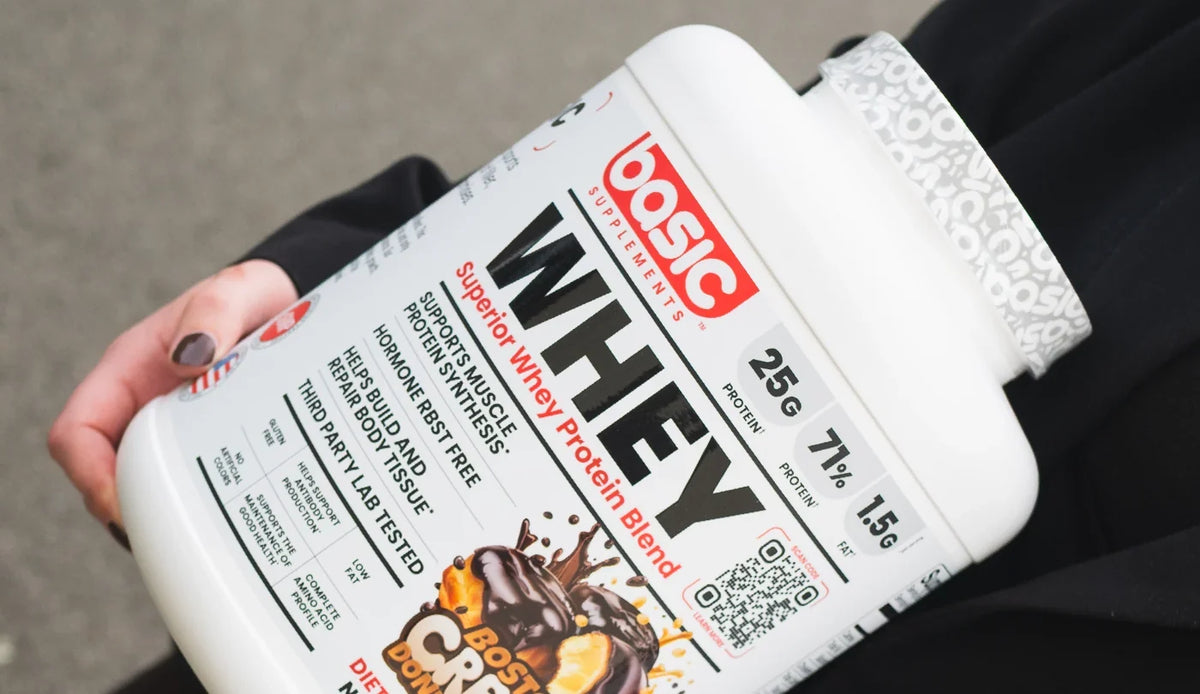
- Basic Supplements Whey Protein Blend is the no-frills option. It's third-party lab tested, rBST hormone-free and easy on the stomach, with none of the fancy extras that push costs up. If you want dependable everyday protein, this is where we'd start.
- Radix Nutrition Natural Whey Protein is made from NZ grass-pastured milk, combining whey isolate, whey concentrate and milk protein concentrate. It's HASTA certified, all-natural and has no added sugar. It suits anyone who wants a clean, locally sourced blend without paying full isolate money.
When isolate is worth paying for
Isolate still earns its place if dairy upsets your stomach, you're in a tight cut where every gram of carbohydrate counts, or you simply can't stand how a concentrate mixes. If that's you, buy isolate you'll genuinely enjoy and finish:
- Dymatize ISO100 Whey Protein Isolate delivers 25 g of protein, 5.5 g of BCAAs and 2.6 g of leucine per serve. It's hydrolysed for fast digestion, banned-substance tested, and one of the smoothest-mixing isolates available. It's a premium buy, but for sensitive stomachs it's often the one that sticks.
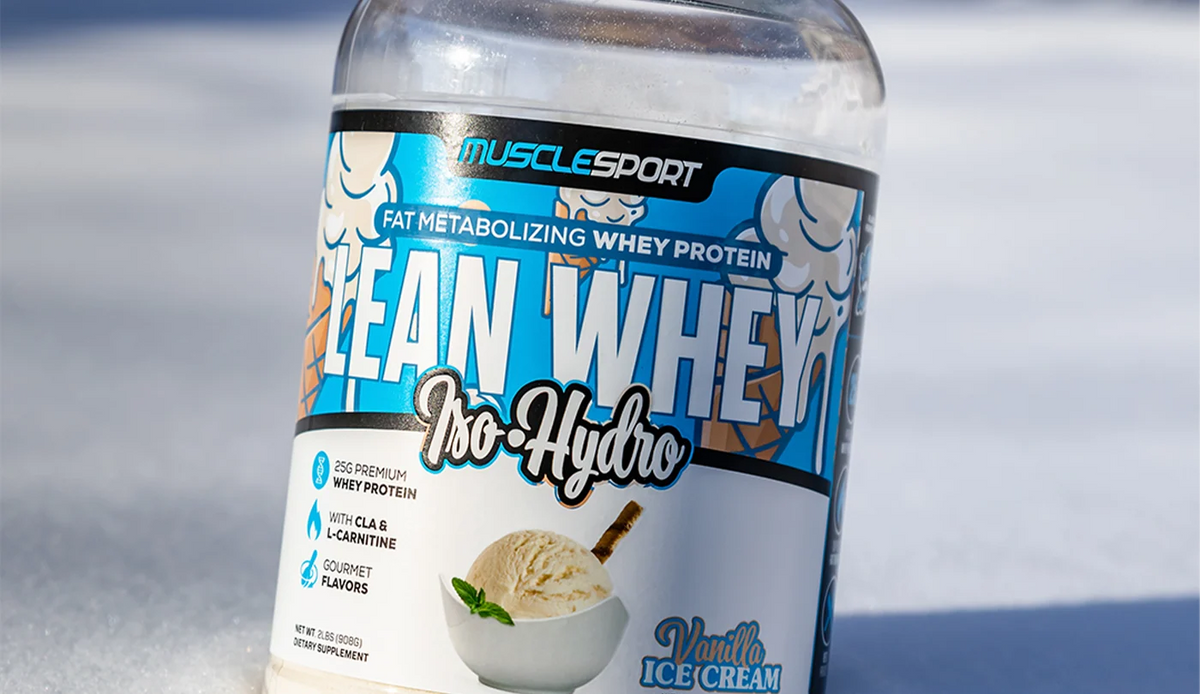
- MuscleSport Lean Whey Iso Hydro combines whey isolate and hydrolysed peptides with 25 g of protein per serve, plus added L-carnitine, MCTs, CLA and fibre. You're getting more than protein in each scoop, and the dessert-style flavours make it easier to stay consistent.
Browse the full whey protein isolate range if you want to compare more options.
4. Size Up on the Protein You Already Love
Larger tubs almost always work out cheaper per serve than smaller ones. If you've found a protein you drink every day and you're confident you'll finish it, moving up a size is an easy saving. ISO100, for example, comes in 5 lb, 3 lb and 20-serve sizes.
The catch is flavour fatigue. A 2.3 kg tub of a flavour you're sick of by week three isn't a saving. It's wasted powder. Only size up on a flavour you already know you enjoy, and check the best-before date if you're buying more than one tub at a time.
5. Add Plant Protein to the Rotation
Plant proteins are made from peas, rice, peanuts and other legumes rather than dairy, so they don't depend on the same tight whey supply chain. That doesn't make every plant protein cheaper, so still run the cost-per-serve maths. But it does make plant protein a smart option to compare, even if you're not vegan.
Modern plant blends have also come a long way from the gritty shakes of a few years ago:
- Macro Mike Peanut Plant Protein is a creamy peanut and pea-based blend that genuinely tastes like dessert. It's brilliant in shakes, oats and baking, and it's a favourite with plenty of people who were long-time whey drinkers.
- Radix Nutrition Natural Plant Protein combines yellow pea protein isolate and brown rice protein isolate to give a complete amino acid profile across all nine essential amino acids. It's naturally sweetened with monk fruit, and it's a clean, simple pick if you want quality without the fuss.
Not sure how plant stacks up against whey for muscle building? Read Plant-Based Protein vs Whey: Which Is Better in 2026? or browse the full plant-based protein range.
6. Try Before You Commit
The most expensive protein is the half-finished tub sitting at the back of your pantry because you hated the flavour. When money's tight, avoiding a bad purchase matters as much as finding a good deal.
Single serves let you test a brand or flavour for the price of one shake before committing to a full tub. Basic Whey, Radix Whey and Radix Plant are all available as single serves, so you can compare them side by side and only buy the one you'll actually finish.
7. Time Your Buys and Use Bundles
If you know you'll need a new tub in the next few weeks, there's no reason to pay full price today. A few simple habits help:
- Watch for sales. Keep an eye on the sale collection and stock up on your staple when it's discounted, rather than when you've just run out.
- Look for free gifts. Many proteins regularly come with a free product. That's extra value without changing what you buy.
- Use bundles. If you already take creatine or a pre-workout, supplement bundles often work out better than buying each product separately.
- Consolidate orders. Buying your protein and other essentials in one order rather than several small ones saves on shipping.
Where Do Protein Snacks and RTDs Fit?
Bars and ready-to-drink shakes are brilliant for convenience, but gram for gram they usually cost more than powder. Use them strategically. Keep a couple in your bag for busy days when you'd otherwise skip protein or grab takeaways, and let powder do the heavy lifting the rest of the time. Our best protein snacks NZ 2026 roundup covers the ones worth your money, or browse protein snacks and protein RTDs.
Quick Comparison: Which Protein Suits Your Situation?
| Protein | Type | Best for |
|---|---|---|
| Basic Supplements Whey Protein Blend | Whey blend | Dependable everyday protein without the extras |
| Radix Nutrition Natural Whey Protein | Whey and milk protein blend | NZ-sourced, all-natural, HASTA certified |
| Dymatize ISO100 | Hydrolysed isolate | Sensitive stomachs and premium mixability |
| MuscleSport Lean Whey Iso Hydro | Isolate and hydrolysed peptides | Flavour lovers who want added extras |
| Macro Mike Peanut Plant Protein | Plant blend | Dairy-free with a dessert-style taste |
| Radix Nutrition Natural Plant Protein | Pea and rice isolate | Clean, complete plant protein |
Frequently Asked Questions
Will whey protein prices come down?
Not quickly. Industry reporting suggests global whey processing capacity will stay tight into 2027, and new plants take years to come online. Prices may level off, but a return to pre-2025 pricing looks unlikely in the short term. That's why smart buying habits matter more than waiting it out.
Is cheaper protein worse quality?
Not necessarily. Most of the price gap between proteins comes from filtration (concentrate vs isolate), branding and added extras, not from how well the protein builds muscle. What matters is that the label is accurate, which is why third-party testing is worth looking for.
Is plant protein cheaper than whey?
It depends on the product. Plant protein isn't tied to the whey shortage, so it's always worth comparing, but run the cost per 25 g calculation rather than assuming either way.
What's the single best way to save money on protein?
For most people, switching from isolate to a quality whey blend and levelling their scoops will make the biggest difference, with no loss in results.
The Bottom Line
Protein prices in NZ aren't going back to 2023 levels any time soon, but that doesn't mean you have to pay more for the same results. Know your target, compare cost per serve, pick a blend unless isolate genuinely suits you better, and try before you buy. Do that, and you'll get more protein for every dollar you spend.
Ready to find the right fit? Explore the full protein powder range, or check out our top 5 protein powders for 2026.
Leave a comment
All comments are moderated before being published.
This site is protected by hCaptcha and the hCaptcha Privacy Policy and Terms of Service apply.