


GLP-1 medications have become one of the most talked-about health topics in New Zealand over the past two years. Wegovy (semaglutide) and Saxenda (liraglutide) are now widely prescribed for weight management, and Mounjaro (tirzepatide) has more recently joined them on NZ pharmacy shelves. Together, they represent a genuine shift in how medical weight loss is approached — and they're working for a lot of people.
But here's what doesn't get talked about nearly enough: while these medications are highly effective at reducing appetite and driving weight loss, they don't discriminate between fat and muscle. Without the right nutritional support, a significant portion of the weight you lose on a GLP-1 medication can come from lean muscle mass — and that has real consequences for your metabolism, your strength, and your long-term health.
If you're currently taking a GLP-1 medication, or thinking about starting one, this guide covers what's actually happening inside your body, which supplements can help protect your results, and how to make the most of your weight loss journey the right way.
Note: This article is intended as general educational information only. Always consult your prescribing doctor or a registered dietitian before starting any supplement while on medication.
The Muscle Loss Problem Nobody Warns You About
GLP-1 receptor agonists work by mimicking a natural gut hormone that signals fullness, slows digestion, and reduces appetite. The result is that most people eat significantly less — which is exactly the point. The problem is that eating substantially less, without deliberate nutritional strategies in place, creates conditions where your body is likely to break down muscle tissue alongside fat for energy.
Research from clinical trials on semaglutide found that roughly 30–40% of total weight lost can come from lean body mass if no preventive measures are taken. For someone losing 20 kilograms, that could mean five to eight kilograms of muscle loss — which matters for far more than just aesthetics. Muscle is metabolically active tissue. Losing it slows your resting metabolism, reduces your functional strength, increases injury risk, and makes it significantly harder to maintain your results once you stop taking the medication.
The good news is this is largely preventable. A combination of adequate protein intake, resistance training, and targeted supplementation can help you preserve the majority of your lean muscle mass while still losing fat effectively.
The Supplement Stack for GLP-1 Users
Because GLP-1 medications reduce how much you eat, they also reduce how many nutrients you're getting from food. Covering those gaps with the right supplements isn't about adding extras — it's about making sure your body has what it needs to function well on a lower calorie intake. Here's where to focus.
1. Protein — The Non-Negotiable
Protein is the single most important nutritional priority for anyone on a GLP-1 medication. It's the primary tool for preserving muscle during weight loss, and because GLP-1s reduce appetite so effectively, many people simply aren't eating enough of it.
Current research recommends aiming for around 1.6–2.2 grams of protein per kilogram of bodyweight per day to support muscle retention during a calorie deficit. For a 75 kg person, that's roughly 120–165 grams of protein daily — an amount that becomes very difficult to hit from food alone when your appetite is significantly suppressed.
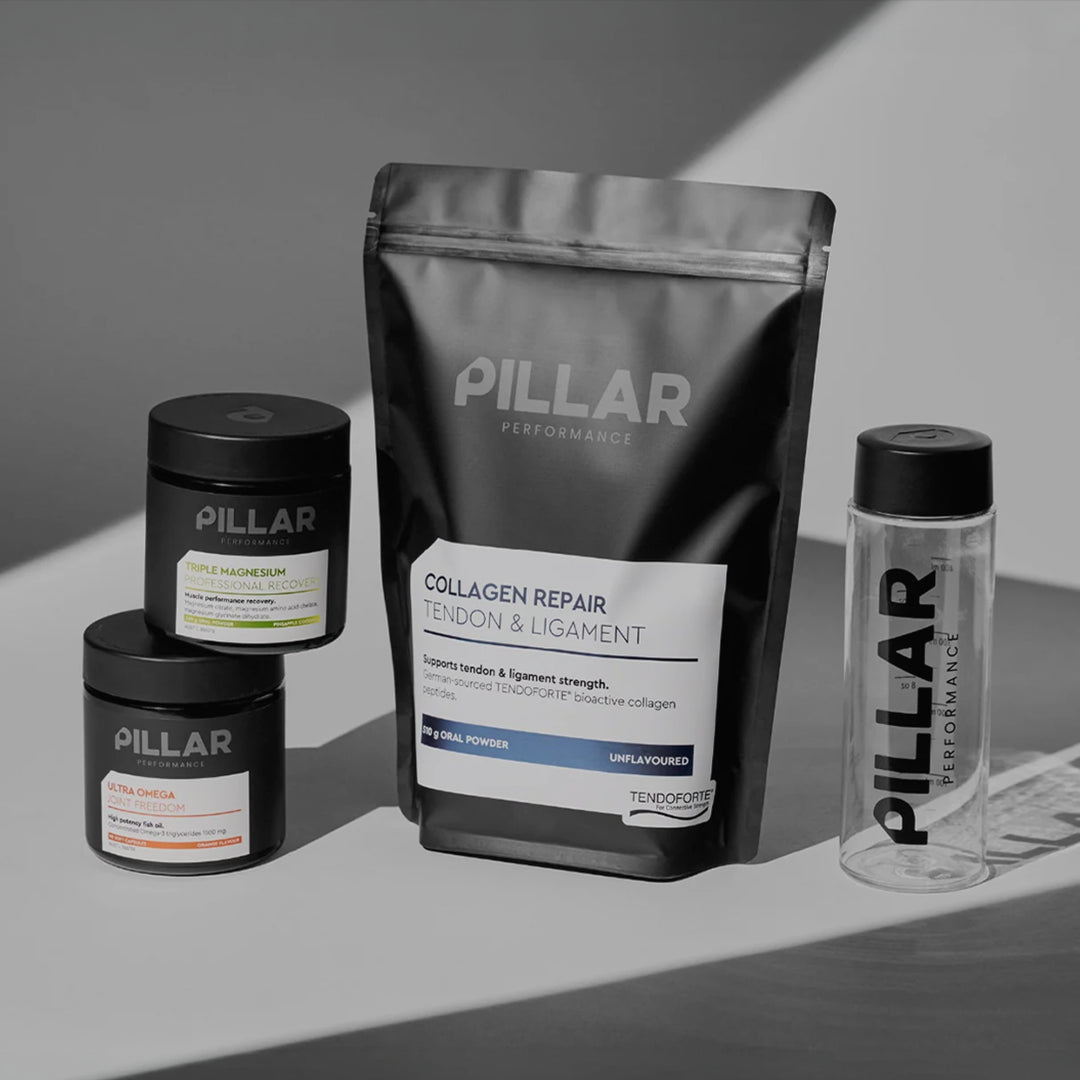
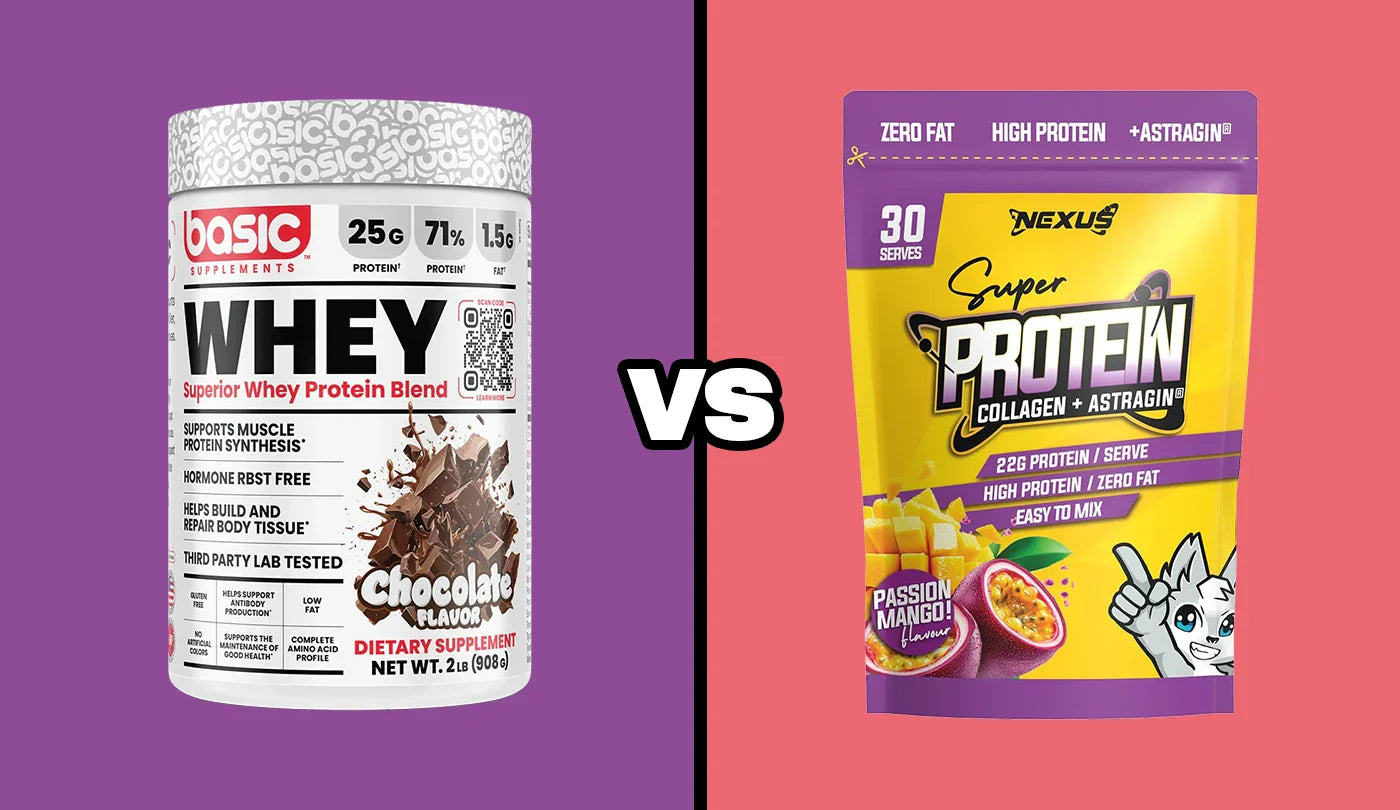
This is where a high-quality protein powder becomes genuinely useful rather than optional. A single serve of whey protein typically delivers 25–30 grams of protein in a format that's easy on the stomach — important when nausea is a common early side effect of GLP-1 medications. Browse the full range of protein powders at ASN, or if you're managing lactose sensitivity, the whey protein isolate collection is lower in lactose and easier to digest. Plant-based options are also a solid choice — see our guide to plant-based protein vs whey for a full breakdown, or shop the plant-based protein range directly.
For more on choosing the right option for muscle support, our Best Protein Powder NZ 2026 guide is a good place to start.
2. Creatine — for Muscle Preservation and Strength
Creatine monohydrate is one of the most researched supplements in sports nutrition, and it has a particularly strong case for use during GLP-1-assisted weight loss. It supports strength, power output, and crucially, the maintenance of lean muscle mass — all of which become harder to sustain when you're in a significant calorie deficit.
Creatine works by increasing the availability of phosphocreatine in muscle tissue, which helps fuel short, intense efforts during resistance training. If you're following the recommended advice to do strength training two to four times per week alongside your medication, creatine can meaningfully support your performance in those sessions — which in turn sends the signal to your body to hold onto muscle rather than break it down.
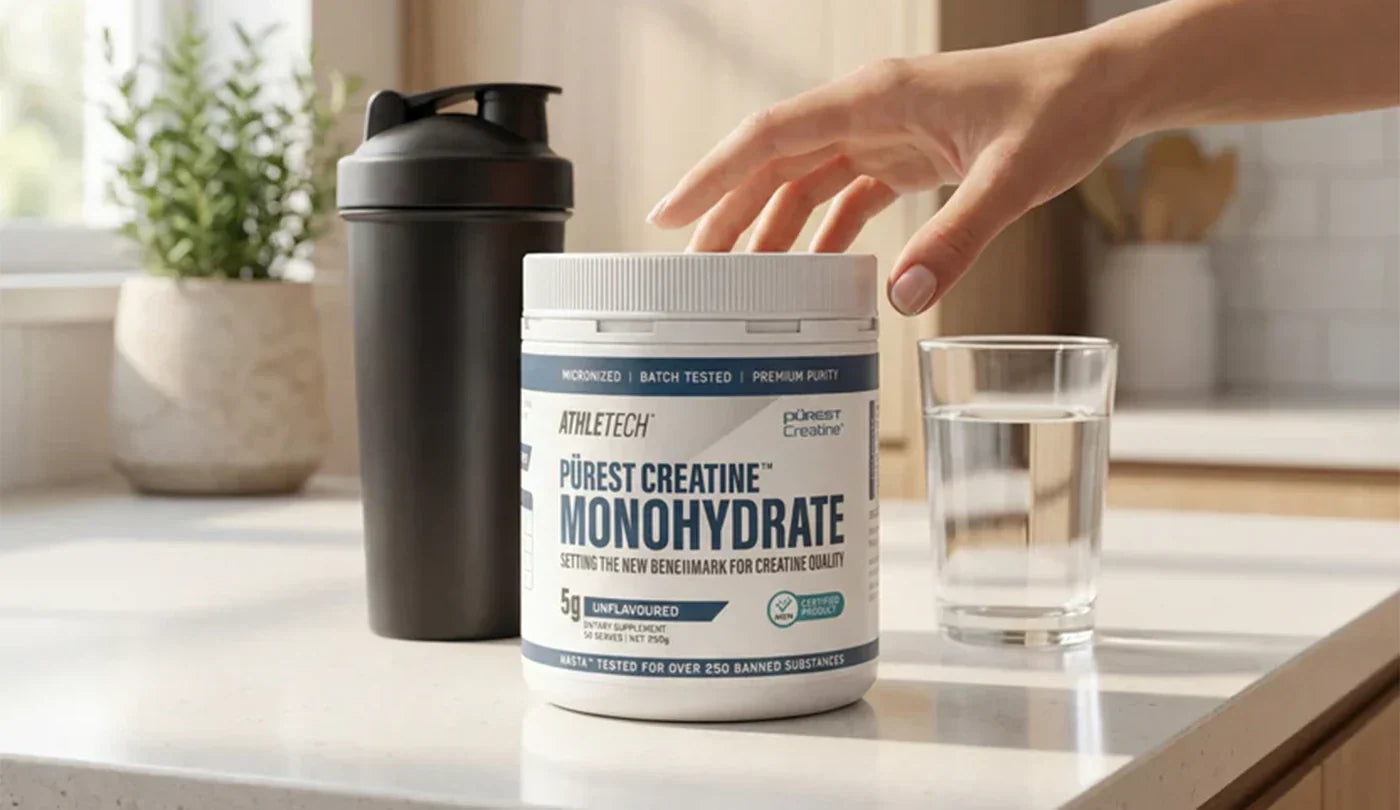
A standard dose of 3–5 grams per day is well established and safe for long-term use. Explore the creatine range at ASN, or read our detailed Best Creatine NZ 2026 guide to find the right product for you.
3. A Quality Multivitamin
When you're eating significantly less food, you're also getting fewer micronutrients — and this is one of the most overlooked risks of long-term GLP-1 use. There's evidence suggesting GLP-1 medications may reduce the absorption of certain nutrients, particularly iron and B12, and a low-fat diet (often recommended alongside these medications) can lower levels of fat-soluble vitamins A, D, E, and K.
A comprehensive daily multivitamin helps fill those gaps without requiring you to eat more. Look for one that includes B12, iron, vitamin D, zinc, and folate as a baseline. Browse the vitamins and minerals range at ASN to find options suited to your needs.
4. Omega-3 Fatty Acids
Omega-3s (EPA and DHA) support cardiovascular health, reduce inflammation, and may help maintain muscle protein synthesis — all relevant considerations during weight loss on GLP-1 medications. People who are overweight or managing metabolic conditions (the primary population using these medications) are also more likely to be deficient in omega-3s to begin with.
A daily fish oil or omega-3 supplement is a straightforward, low-risk addition that supports several aspects of health simultaneously. Shop the omega-3 and fish oil range at ASN.
5. Electrolytes
Reduced food intake and the gastrointestinal side effects associated with GLP-1 medications — particularly nausea and occasional vomiting, especially in the early weeks — can deplete electrolytes more quickly than usual. Sodium, potassium, and magnesium are particularly important to maintain for hydration, nerve function, and muscle contraction.
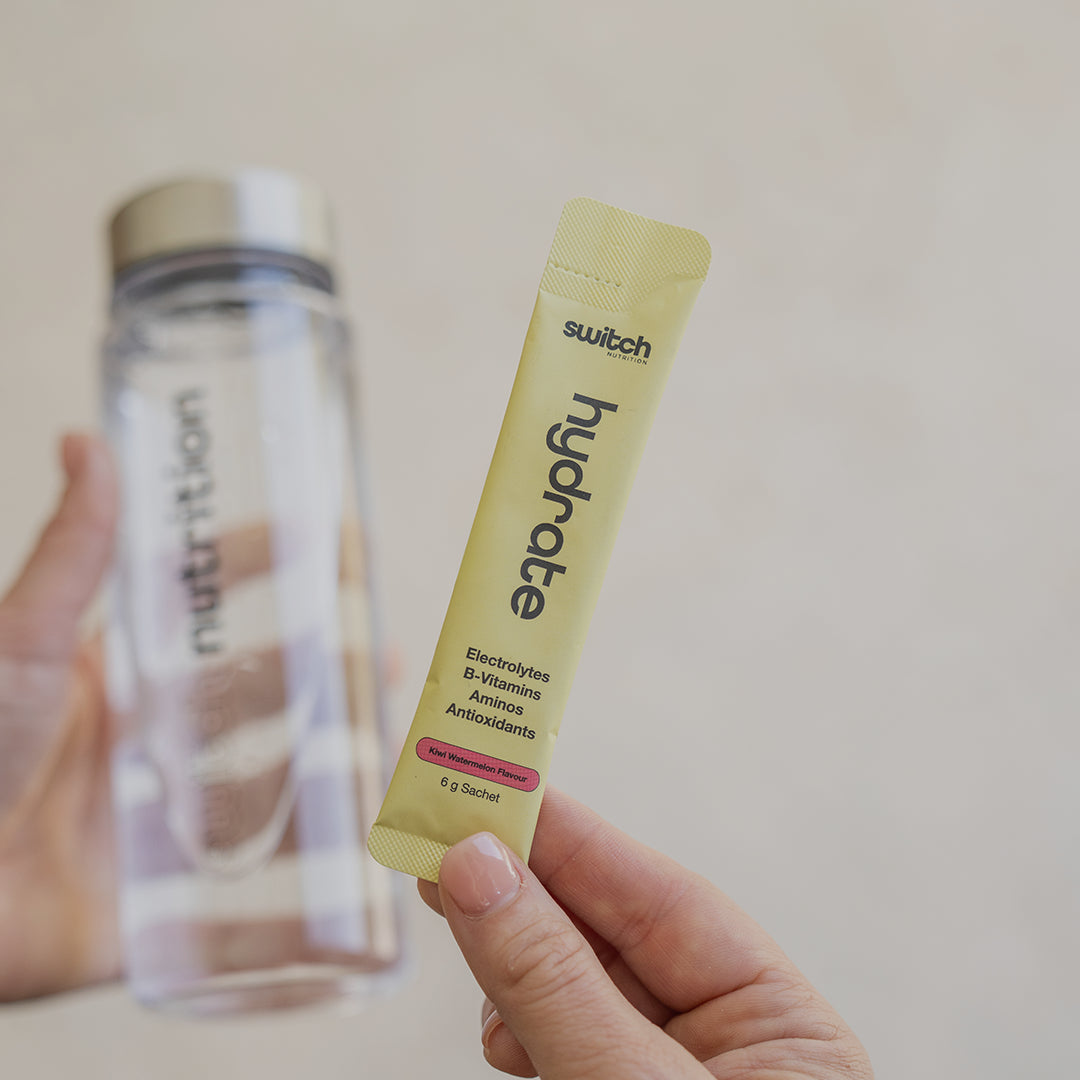
An electrolyte supplement or drink mix is especially useful during the dose titration phase (the first few weeks when side effects tend to be most pronounced) and during warmer weather or exercise. See our electrolytes explainer for a full breakdown of who benefits most, or shop the electrolytes and hydration range.
6. Gut Health Support
GLP-1 medications slow gastric emptying, which can cause digestive discomfort for some users, including bloating, constipation, and changes in gut motility. Supporting gut health proactively — particularly with probiotics and greens supplements — can help ease these side effects and maintain a healthy microbiome during what is a period of significant dietary change.
There's also growing evidence that gut health plays a meaningful role in metabolic function, appetite regulation, and overall wellbeing — all relevant when you're on a medication that works primarily through hormonal and neurological pathways. Read our deep-dive on gut health and fitness for more, or explore the digestion and gut health collection and greens and superfoods range at ASN.
What to Avoid While on GLP-1 Medications
Not every supplement is a good idea while on GLP-1 medication. A few things worth being cautious about:
- Stimulant-based fat burners: These medications are already doing significant work on your metabolism and appetite. Adding high-stimulant fat burners on top introduces unnecessary cardiovascular strain and is unlikely to add meaningful benefit. Always check with your doctor before combining any stimulant supplement with prescription medication.
- Calcium in high doses: There's some concern around calcium supplementation interfering with how GLP-1 medications are absorbed. Unless your doctor has specifically recommended it, it's worth holding off.
- Anything that further suppresses appetite: Your food intake is already significantly reduced. Adding appetite suppressants risks compounding the nutrient deficit and making it harder to hit your protein targets.
The Role of Resistance Training — Supplements Can't Replace It
It's worth being clear about something: supplements support your results, but they don't replace the inputs that actually drive them. For anyone on a GLP-1 medication, resistance training is arguably the most important thing you can do to preserve lean muscle mass — and the evidence backs this up strongly.
Strength training two to four times per week sends a direct signal to your muscles to maintain and rebuild tissue, even in a calorie deficit. Combined with adequate protein and creatine supplementation, it shifts the composition of your weight loss significantly in favour of fat rather than muscle. If you're new to strength training, even simple bodyweight exercises performed consistently can make a real difference.
The supplements covered in this article are most effective when they're supporting an active lifestyle — not substituting for one.
A Practical Summary
If you're on a GLP-1 medication like Wegovy, Saxenda, or Mounjaro and want to make the most of your weight loss while protecting your long-term health, here's a straightforward starting point:
- Protein powder — to hit daily protein targets and protect muscle mass
- Creatine monohydrate — to support strength and lean tissue retention during resistance training
- Multivitamin — to fill the micronutrient gaps that come with eating less
- Omega-3 / fish oil — for cardiovascular and anti-inflammatory support
- Electrolytes — for hydration and to manage early side effects
- Gut health support — to ease digestive side effects and support your microbiome
None of these are exotic or complicated — they're well-researched, practical supplements that directly address the known risks and challenges of GLP-1-assisted weight loss. The goal is to lose fat, preserve muscle, and come out the other side of your weight loss journey stronger and healthier — not just lighter.
If you're unsure where to start, the team at ASN are always happy to help point you in the right direction.
Leave a comment
All comments are moderated before being published.
This site is protected by hCaptcha and the hCaptcha Privacy Policy and Terms of Service apply.