

There's a particular moment that hits every year around late October — the first genuinely warm weekend, the first swim, the first time the T-shirt comes off — and a fair few of us aren't quite where we'd hoped to be. The difference between the people who feel good about it and the people who don't usually isn't willpower. It's timing. They started in August.
Twelve weeks from early August lands you at the end of October, right as the weather turns. That's a sensible, unhurried runway — long enough to make real changes without resorting to anything drastic, and long enough that you can afford a few off days without derailing the whole thing.
This guide is a supplementation plan designed to support your training and nutrition over those twelve weeks. It's not a diet plan and it's not a training programme, because those need to be built around you — your schedule, your history, your preferences. What follows is the supplement layer that sits on top.
What supplements can and can't do
Worth being upfront: the results come from your nutrition and your training. Supplements make consistency easier, protect the muscle you've worked for, and take some of the friction out of the hard weeks. They don't replace the fundamentals, and no product on our shelves does.
The nutrition side, in general terms
Fat loss requires eating less energy than you use. Beyond that basic principle, the details are individual — a modest, sustainable approach almost always beats an aggressive one, largely because people actually stick with it. A few general principles that hold up well:
- Prioritise protein. It's the most satiating macronutrient and it's what preserves lean muscle while you're losing fat.
- Build meals around whole foods. Vegetables, fruit, quality carbohydrates and healthy fats keep you full and keep your micronutrients covered.
- Go slow. Rapid weight loss tends to come with more muscle loss and a much higher chance of rebounding.
- Don't neglect sleep. Poor sleep makes appetite regulation considerably harder.
If you want individualised numbers, a registered dietitian or nutritionist is worth the investment. That's genuinely outside what an article can do well.
The training side, in general terms
Resistance training is what tells your body to hold onto muscle while you're in a deficit. Without it, a meaningful share of what you lose won't be fat. Compound movements, a programme you can repeat consistently, and some form of cardio you don't hate — that's the shape of it. Consistency across twelve weeks matters far more than any individual session.
The 12-week supplement plan at a glance
| Phase | Weeks | Focus | Core supplements |
|---|---|---|---|
| Foundation | 1–4 | Habits, protein intake, muscle retention | Protein powder, creatine |
| Support | 5–8 | Energy, adherence, hydration | Add fat burner or L-carnitine, electrolytes |
| Hold | 9–12 | Hunger management, recovery, finishing well | Add protein snacks and RTDs |
Weeks 1–4: Build the foundation
The first month is about getting the basics locked in before anything else gets added. Resist the urge to throw everything at it in week one — you want room to add support later, when it's actually needed.
Protein powder
This is the single most useful supplement in the entire plan. Hitting a higher protein intake while eating less food is genuinely difficult with whole foods alone, and a shake solves that in about thirty seconds.
The Basic Supplements Whey Protein Blend is a straightforward, third-party tested option that's easy on the stomach and mixes well — a sensible everyday choice when you're going to be drinking it daily for three months. If you're dairy-free or prefer plant-based, the Radix Nutrition Natural Plant Protein combines pea protein isolate and brown rice protein for a complete amino acid profile across all nine essential amino acids, and it's HASTA certified for banned substances.
For a broader look at the options, our ranking of the best protein powders in NZ for 2026 covers the full field, or browse the complete whey protein range.
Creatine
Creatine is the most researched supplement in sports nutrition, and it belongs in a cutting phase just as much as a bulking one. Its job here is protecting your training output — maintaining strength while you're eating less is exactly what signals your body to hang onto muscle.
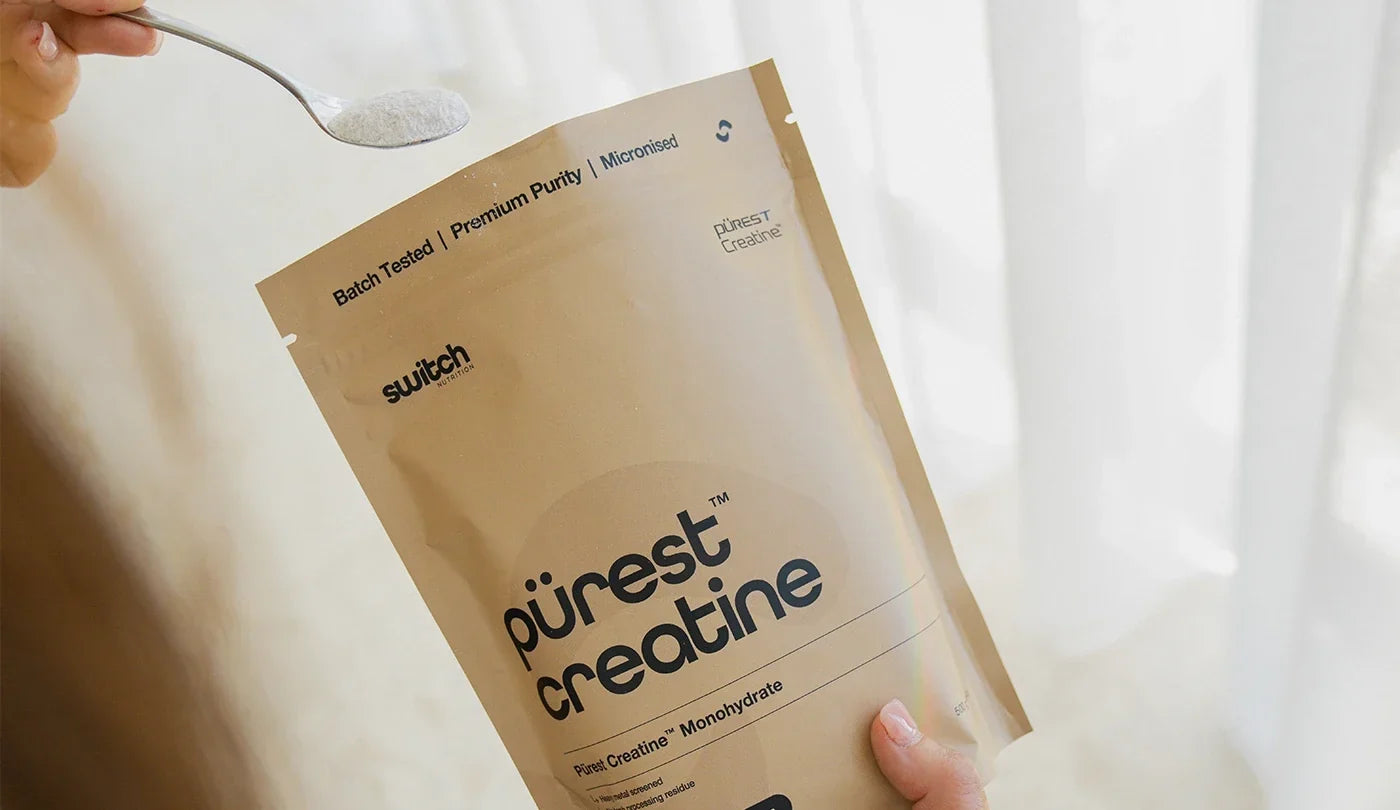
Nexus Creatine Monohydrate delivers a clinically dosed 5g serve of pharma-grade monohydrate, which is all you need. Take it daily, timing doesn't matter much, and stay consistent.
The usual worry is that creatine will hold water and mask progress on the scales. It's a fair question and we've answered it properly in our article on whether you should take creatine while cutting — the short version is that it doesn't hinder fat loss, and judging progress by the mirror and how your clothes fit is more useful than the scales anyway.
Weeks 5–8: Add support as the deficit bites
By week five the novelty has worn off and the deficit is starting to make itself felt. Energy dips, cravings appear, and motivation gets patchier. This is the phase where additional support actually earns its place — and note that it comes after the foundation is established, not before.
Fat burners
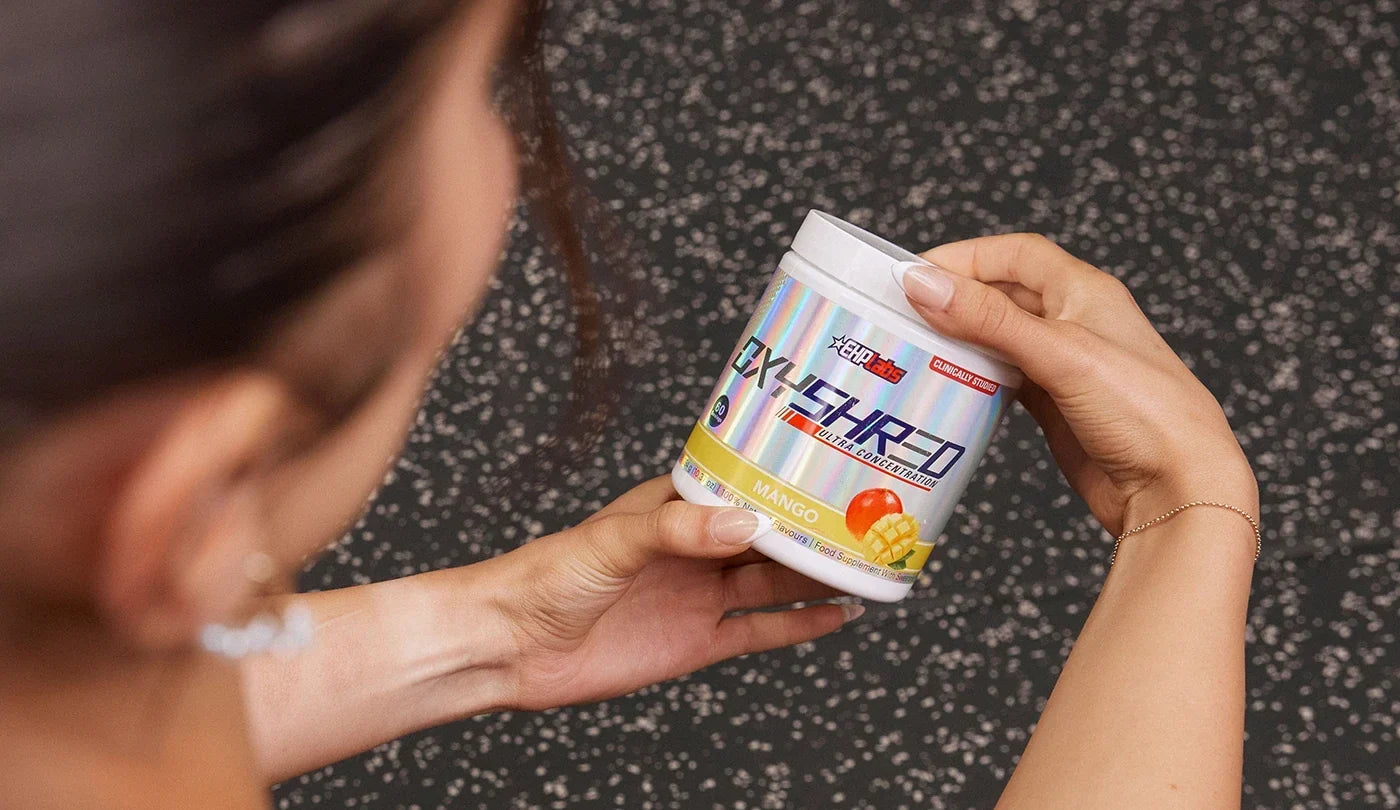
A good thermogenic won't make you lean on its own, but it can take the edge off appetite and lift energy when both are flagging. EHP Labs OxyShred is deliberately broad rather than brutally stimulant-heavy, which is what makes it workable across a full cut rather than just a fortnight.
If stimulants and you don't get along — or you train in the evenings — Nexus EasyBurn offers metabolic support without turning your entire day into a caffeine experience. Both feature in our ranking of the best fat burners in NZ for 2026 if you want to compare the full range of options.
A stimulant-free alternative
L-carnitine helps transport fatty acids into the mitochondria to be used for energy, and it does so without any stimulant load at all. MusclePharm L-Carnitine 3000 is a liquid formula delivering 2,000mg of L-carnitine alongside acetyl L-carnitine and L-carnitine tartrate per serve, and it's sugar-free and calorie-free. It pairs comfortably with a thermogenic, or works on its own if you'd rather avoid stimulants entirely. Browse the wider L-carnitine range for other formats.
Hydration
Training volume tends to climb through this phase just as the weather warms up, and hydration quietly affects everything — energy, performance, appetite signalling, and how well you recover between sessions.
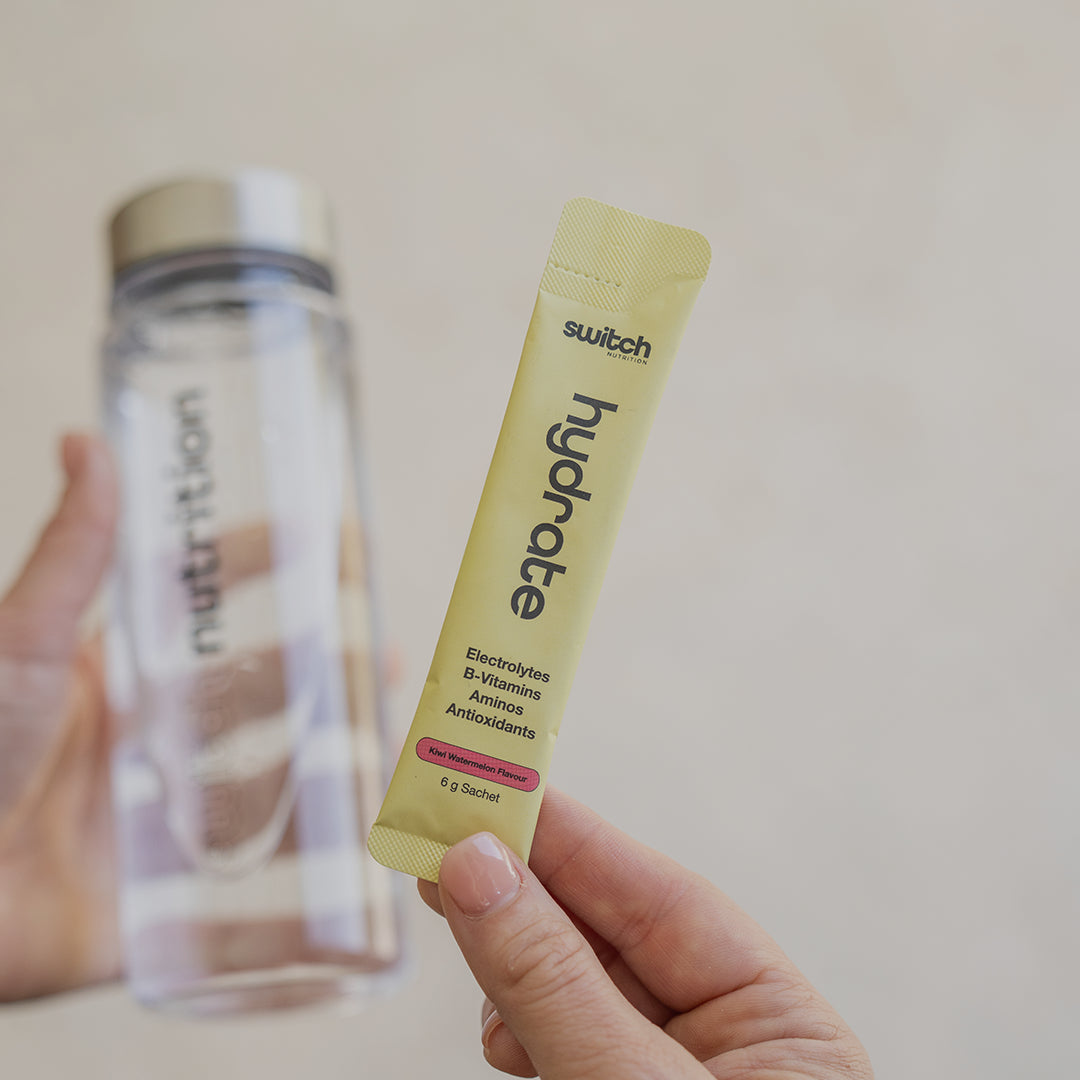
Switch Nutrition Hydrate uses a 2:1 sodium-to-potassium ratio with a full spectrum of five essential electrolytes plus B vitamins, with no added sugar. Ghost Hydration Electrolytes+ is another strong option, with a fully disclosed label and added taurine and Aquamin. Our electrolyte drink mix guide goes deeper on choosing between them, or see the full electrolytes and hydration range.
Weeks 9–12: Hold the line
The final month is where most twelve-week plans fall apart, and it's almost always for the same reason: hunger. You've been in a deficit for two months, your appetite has adapted, and the willpower reserves are running low. This phase is about making adherence easier, not about pushing harder.
Protein snacks and RTDs
The single most effective tool here is having something high in protein, low in sugar and genuinely enjoyable within arm's reach when cravings arrive. It's much easier to reach for a bar than to talk yourself out of the pantry.
- Grenade Protein Bars — 20g of protein and under 2g of sugar per bar, triple-layered and chocolate-coated, and Informed Sport tested.
- Quest Nutrition Protein Bars — 20g of protein from whey protein isolate, under 1g of sugar and around 190 calories, which makes them easy to fit into most days.
- Grenade Protein Shakes — up to 25g of protein per 330ml bottle at under 200 calories, ready to drink with no shaker required.
Our roundup of the best protein snacks in NZ for 2026 covers more options across bars, bites and shakes, or browse the full protein snacks range.
Recovery matters more now, not less
Sleep and recovery quality decline as a deficit lengthens, and that has knock-on effects for appetite and training performance. If you're finding sleep harder in these final weeks, our guide to the best sleep supplements for deep recovery is worth a read. It's also sensible to take a break from stimulant-based fat burners at some point in this phase, particularly if they're affecting your sleep.
Putting the daily routine together
| When | What | Why |
|---|---|---|
| Morning | Fat burner or L-carnitine (weeks 5+) | Energy and appetite support through the day |
| Pre-training | Electrolytes | Hydration and performance |
| Post-training | Protein shake, creatine | Recovery and muscle retention |
| Between meals | Protein bar or RTD as needed | Hunger management, protein target |
If you'd rather not assemble this piecemeal, our article on the best supplement stacks for cutting and fat loss shows how these products work together, and the supplement stacks and bundles section has prebuilt options.
Five mistakes that derail a 12-week plan
- Starting too aggressively. A brutal week one is almost always followed by a collapsed week three.
- Cutting protein along with everything else. Protein is the thing protecting your muscle. It should go up, not down.
- Dropping resistance training for cardio. Cardio burns energy; lifting is what keeps the muscle.
- Judging progress by the scales alone. Water fluctuations, food volume and hormonal cycles all move the number. Photos and measurements tell a truer story.
- Expecting supplements to do the work. They support a good plan. They can't rescue a bad one.
Starting this week
Twelve weeks from now is the end of October. Start with protein and creatine, get your training consistent, and add the rest as you need it. That's genuinely the whole plan — the discipline is in repeating it, not in complicating it.
Everything mentioned here sits in our lose body fat collection, and our team is happy to help you put a stack together that fits your training and your budget.
This article is general information only and isn't a substitute for personalised advice. If you have an existing health condition, take medication, are pregnant or breastfeeding, or have any history of disordered eating, please speak with your doctor or a registered dietitian before starting a fat loss phase or a new supplement.

Leave a comment
All comments are moderated before being published.
This site is protected by hCaptcha and the hCaptcha Privacy Policy and Terms of Service apply.