

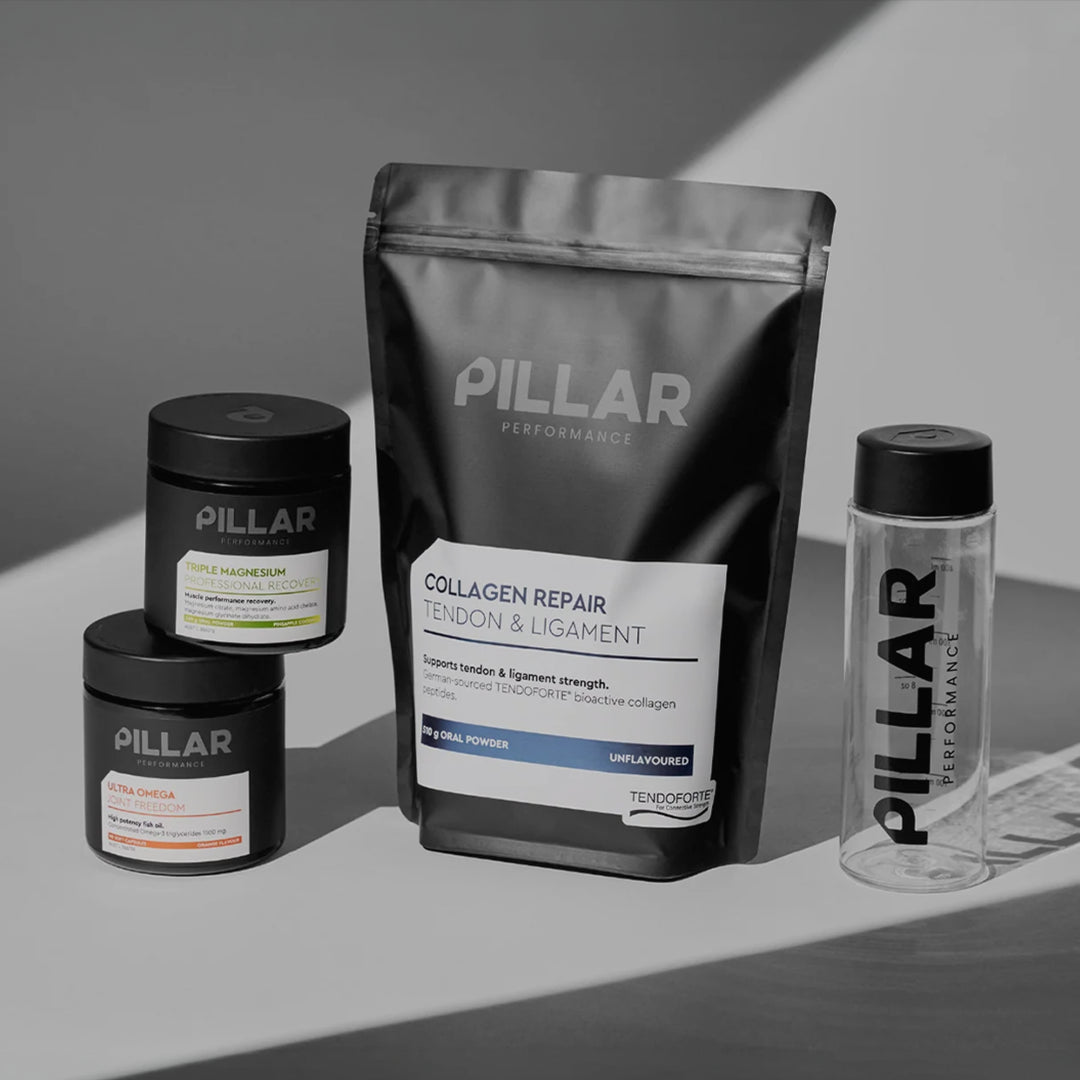

When it comes to building muscle, your protein intake plays a pivotal role. Protein is the building block of muscle tissue, and without sufficient amounts, your muscles won’t grow as effectively. But with so many options on the market, how do you choose the best protein powder for muscle gain? This guide will help you navigate the world of protein powders and show you how to maximise your muscle gains with the right supplement.

Understanding the Importance of Protein for Muscle Growth
Protein is essential for repairing and building muscle tissues after a workout. When you engage in resistance training or any form of strenuous exercise, your muscle fibres experience microscopic tears. Consuming protein helps repair these tears, leading to muscle growth and increased strength. But not all protein sources are created equal, and choosing the right one can make a significant difference in your results.
How Do I Choose Protein Powder for Muscle Growth?
Choosing the right protein powder depends on several factors, including your dietary preferences, fitness goals, and any allergies or intolerances you may have. Here are some tips to help you make an informed decision:
- Identify Your Dietary Needs: If you’re lactose intolerant or follow a vegan diet, you might prefer plant-based protein powders. For those without dietary restrictions, whey protein is a popular choice due to its high bioavailability.
- Check the Protein Content: Look for protein powders that offer at least 20 grams of protein per serving. This ensures you’re getting a sufficient amount to support muscle growth.
- Consider the Amino Acid Profile: Essential amino acids, particularly leucine, play a crucial role in muscle protein synthesis. Make sure your protein powder contains a good balance of amino acids.
- Avoid Unnecessary Additives: Some protein powders contain fillers, artificial sweeteners, and other additives that provide little nutritional value. Opt for products with minimal and natural ingredients.
What is the Best Protein Powder for Muscle Gain?
The best protein powder for muscle gain can vary based on individual needs and preferences, but here are some top contenders:
- Whey Protein: Widely regarded as the gold standard for muscle growth, whey protein is quickly absorbed by the body, making it ideal for post-workout recovery. It contains all essential amino acids and is rich in leucine.
- Casein Protein: Unlike whey, casein is digested slowly, providing a steady release of amino acids. This makes it an excellent option for nighttime recovery.
- Plant-Based Protein: For those who prefer a plant-based option, there are various high-quality plant-based protein powders available. These options can be just as effective in supporting muscle growth and are often hypoallergenic and easily digestible.
How Do You Maximise Muscle Protein Synthesis?
Maximising muscle protein synthesis (MPS) is key to building muscle. Here are some strategies to enhance MPS:
- Timing is Everything: Consuming protein shortly after your workout can significantly boost MPS. A shake after training is an easy habit, but research shows your total daily protein matters far more than hitting a 30-minute window. Have it whenever suits you.
- Spread Your Intake: Instead of consuming all your protein in one or two meals, spread it out across 3-4 meals throughout the day. This helps maintain a positive protein balance and supports continuous muscle repair.
- Combine with Carbohydrates: Adding carbohydrates to your post-workout shake can enhance insulin response, aiding in better protein absorption and muscle recovery.
- Stay Hydrated: Proper hydration is crucial for optimal muscle function and recovery. Make sure you’re drinking enough water, especially around your workouts.

How Much Protein is Needed to Maximise Muscle Growth?
The amount of protein needed can vary based on factors like body weight, activity level, and overall goals. However, general guidelines suggest:
- For Active Individuals: Aim for 1.6 to 2.2 grams of protein per kilogram of body weight. For a 70 kg person, this translates to approximately 112-154 grams of protein per day.
- During Bulking Phases: If you’re in a muscle-building phase, you might need the higher end of the spectrum to support increased muscle protein synthesis.
- For Maintenance: Once you’ve achieved your desired muscle mass, maintaining a protein intake of 1.2 to 1.6 grams per kilogram of body weight can help preserve your gains.
Whey vs Isolate vs Plant Protein for Muscle Gain
- Whey protein (concentrate or blend): the best value per gram of protein, rich in leucine, and the go-to for most people building muscle.
- Whey isolate: more protein per scoop with less lactose, fat and carbs. Worth paying for if regular whey upsets your stomach or you're tracking macros closely. Here's our full whey vs isolate comparison.
- Plant protein: builds muscle just as well when you match the total protein and leucine, especially pea and rice blends. Ideal for vegans or anyone dairy-free. See the best vegan protein powders in NZ.
Whichever you choose, aim for 20–40g of protein per serve. Our best protein powders in NZ rankings will help you pick a tub.
Pair Protein With Creatine for Faster Gains
Protein gives your muscles the building blocks; creatine helps you train harder to give them a reason to grow. Taking 3–5g of creatine monohydrate every day alongside your protein is one of the simplest, best-researched ways to speed up strength and muscle gains. Compare the best creatine in NZ.
Incorporating Protein Powder into Your Diet
Now that you know what to look for in a protein powder and how much to consume, let’s explore some practical ways to incorporate it into your diet:
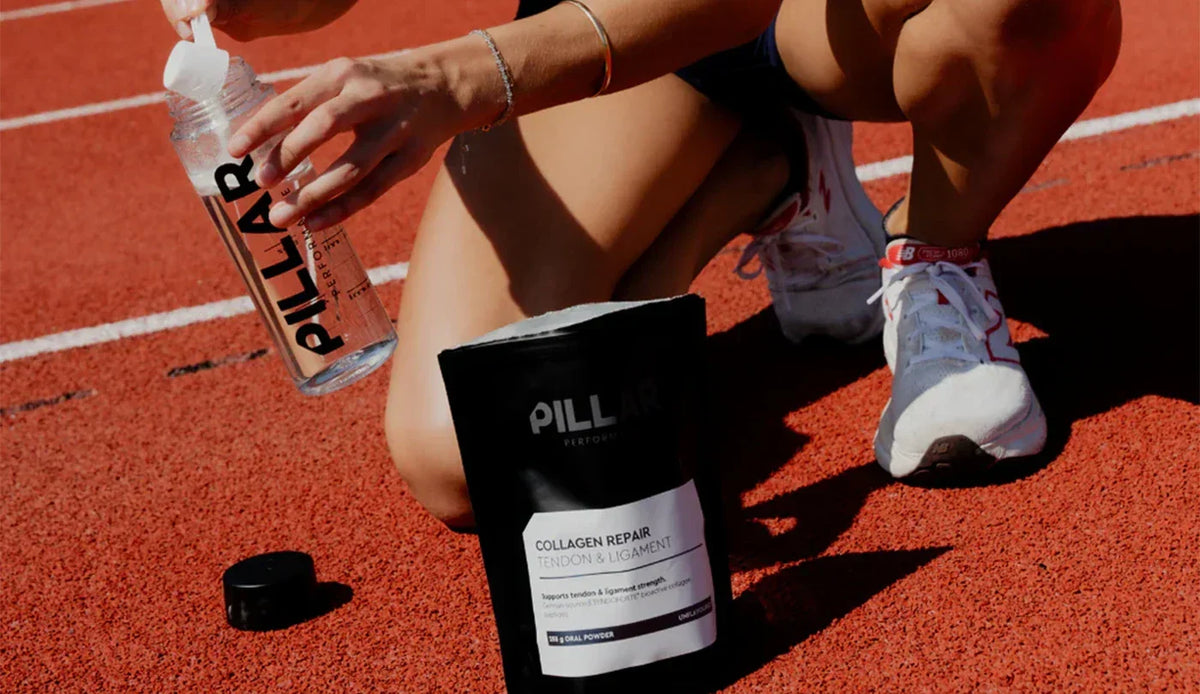
- Post-Workout Shakes: The most common use, a protein shake after your workout can kickstart recovery and muscle repair.
- Smoothies: Add protein powder to your morning smoothie for an easy and nutritious breakfast that supports muscle growth.
- Baking: Use protein powder in recipes like protein pancakes, muffins, or energy bars for a tasty way to increase your intake.
- Oats and Yogurt: Stir a scoop of protein powder into your oatmeal or yogurt for a protein-packed snack or meal.
Common Mistakes to Avoid
While protein powder can be a valuable tool for muscle growth, there are some common mistakes to avoid:
- Over-Reliance on Supplements: While protein powder is convenient, it’s essential to get the majority of your protein from whole food sources like lean meats, fish, eggs, and legumes.
- Ignoring Overall Diet: Simply adding protein powder to a poor diet won’t yield optimal results. Ensure you’re consuming a balanced diet rich in whole foods.
- Neglecting Other Nutrients: Along with protein, your body needs adequate carbohydrates, fats, vitamins, and minerals to support muscle growth and overall health.
Protein for Muscle Gain: Quick FAQs
Is whey protein good for building muscle?
Yes. Whey is fast-digesting, rich in leucine and contains all the essential amino acids, which is why it's the most popular protein for muscle growth.
How much protein powder should I take a day to gain muscle?
Usually one or two scoops, depending on how close food gets you to your daily target of 1.6–2.2g per kilo of body weight. Use our protein guide by bodyweight to work out your number.
Do I need protein on rest days?
Yes. Muscle repair and growth continue for a day or two after training, so keep your protein intake consistent every day, not just on gym days.
Can you build muscle without protein powder?
Absolutely, as long as you hit your daily protein target through food. Protein powder simply makes it easier and cheaper.
Conclusion
Maximising your muscle gains with the right protein powder involves understanding your dietary needs, choosing a high-quality product, and consuming it at the right times. By following the tips outlined in this guide, you’ll be well on your way to achieving your muscle-building goals. Remember, consistency is key, and combining your protein intake with a well-rounded diet and regular exercise will yield the best results.

Leave a comment
All comments are moderated before being published.
This site is protected by hCaptcha and the hCaptcha Privacy Policy and Terms of Service apply.