



Collagen is the most abundant protein in the human body. It gives structure to joints, skin, hair, nails and connective tissue — the material tendons, ligaments, cartilage and bone are built from. Natural collagen production declines with age, and supplementing is a straightforward way to top up intake. Taken consistently, collagen supports connective tissue, joint comfort, and the condition of skin, hair and nails.
Joint Comfort, Mobility and Training Load
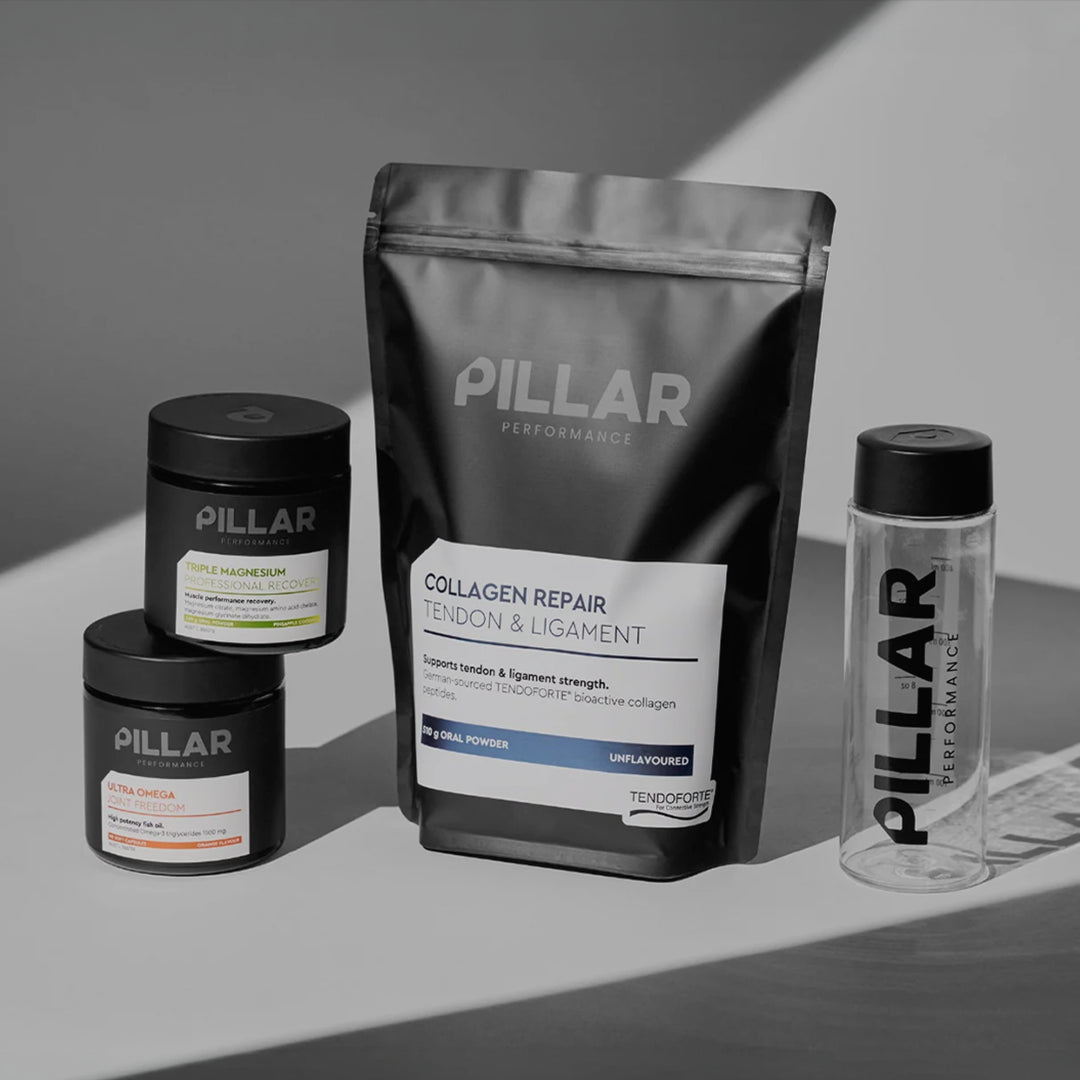
Collagen and joint support formulas suit people dealing with joint discomfort or stiffness, and anyone putting repetitive load through their joints in training or physical work. They're used to support cartilage health, connective tissue integrity and comfortable movement — which matters most for lifters, runners, and anyone whose joints have a lot of years or a lot of kilometres on them. Evidence suggests collagen peptides work best alongside training that loads the tissue, rather than on their own.
What Goes Into a Joint Formula
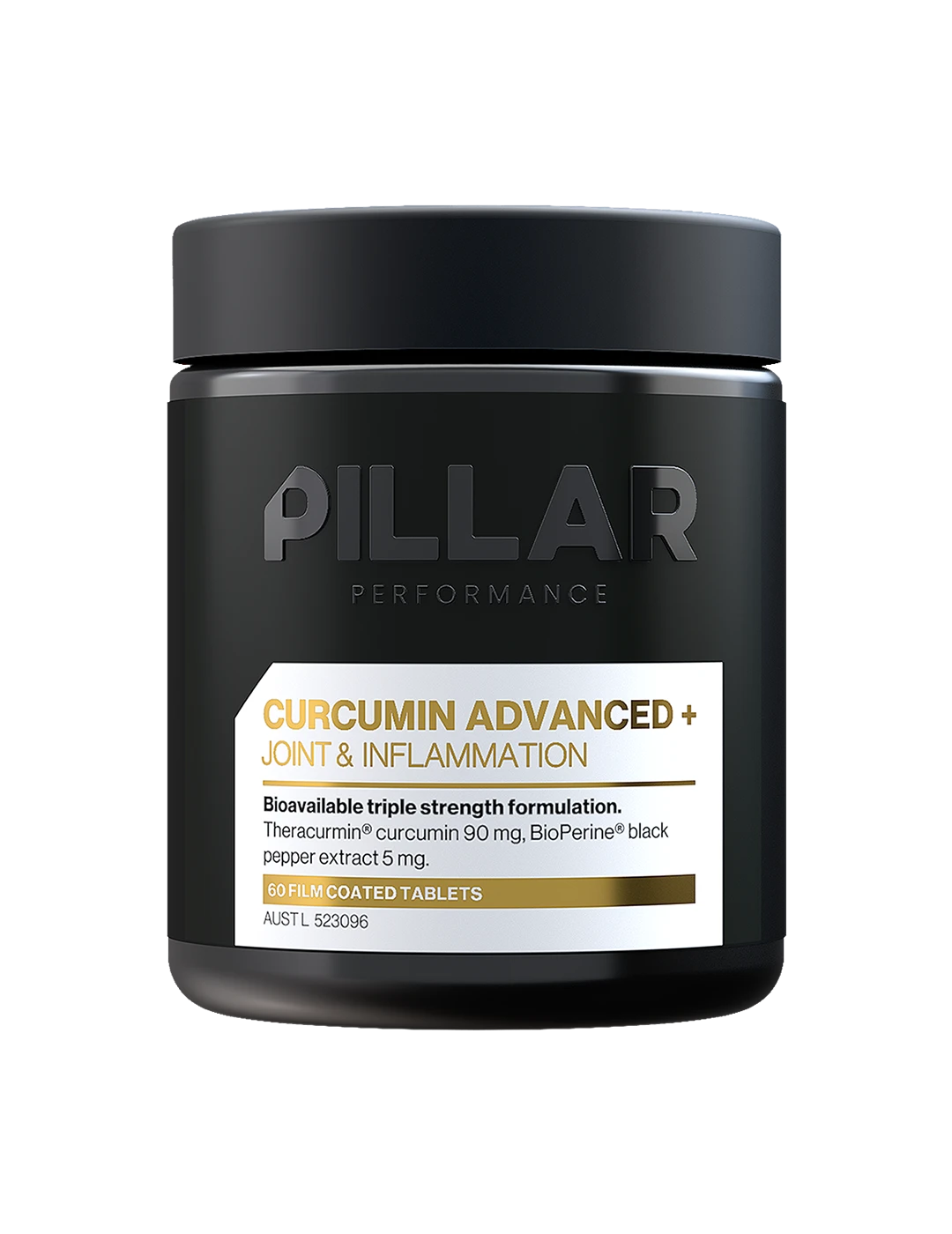
Advanced blends pair hydrolysed collagen peptides with ingredients like vitamin C, turmeric, glucosamine, chondroitin, MSM and omega-3 fatty acids. Vitamin C is the one worth understanding: the body can't synthesise collagen without it, so it appears in most well-built formulas for a reason. Turmeric and omega-3s are included for joint comfort and mobility, while glucosamine, chondroitin and MSM target cartilage. Omega-3 and fish oil supplements are often taken alongside a dedicated joint formula.
Collagen for Skin, Hair and Nails
Beyond joints, collagen is widely taken to support skin hydration and elasticity, and the condition of hair and nails. It's the same structural protein doing the same job in different tissue. Marine collagen is popular here and suits pescatarians, while bovine sources are more common in joint-focused formulas.
How To Take Collagen
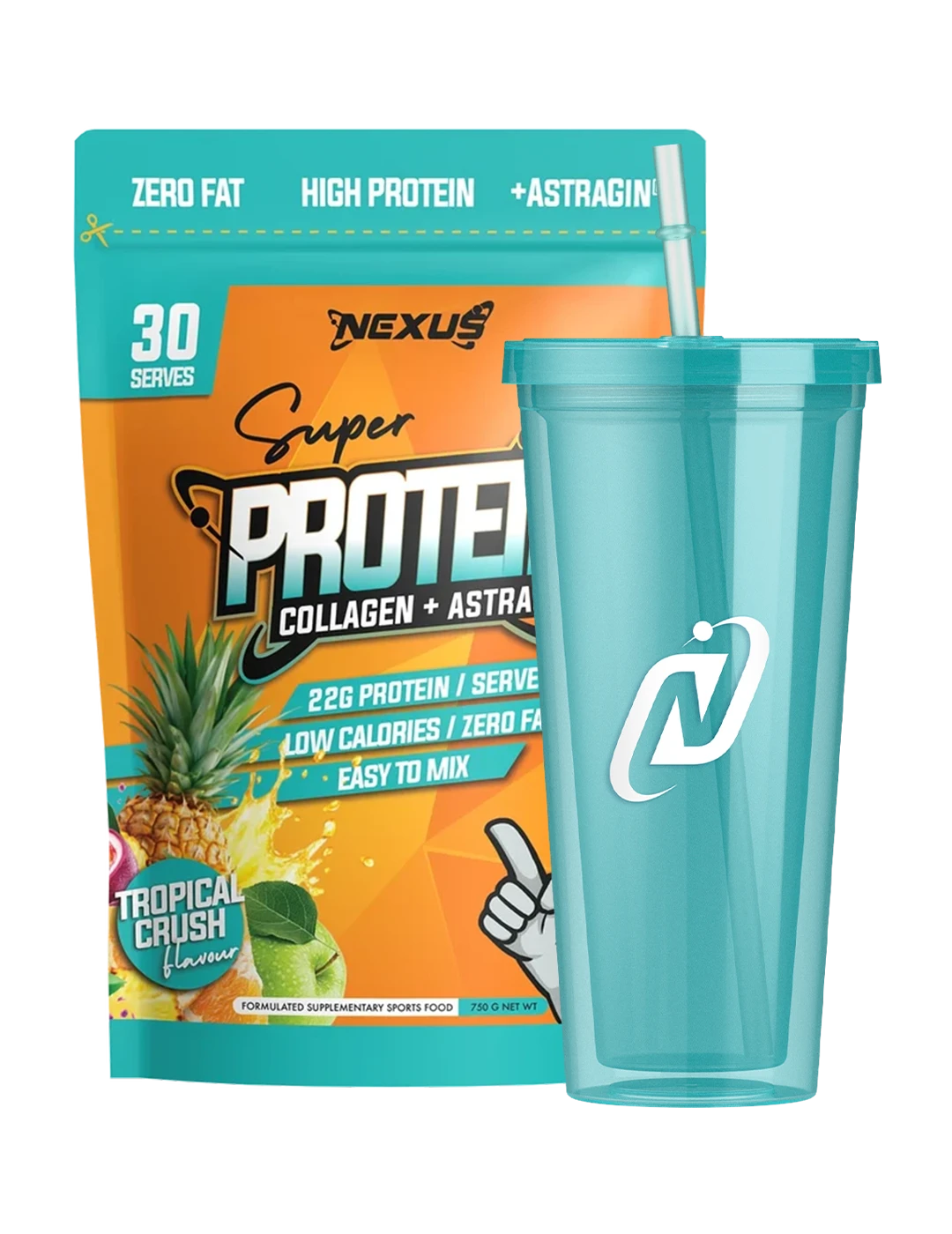
Consistency matters more than timing — a daily habit beats an occasional large dose. Powders mix into water, coffee, smoothies or a protein shake. Capsules and gummies suit anyone who'd rather not mix anything. Most people take collagen for several weeks before judging the effect.
One thing worth being clear about: collagen is a connective tissue protein, not a muscle-building one. It's low in leucine and contains no tryptophan, so anyone whose main goal is muscle growth should keep whey protein or another complete protein as their primary source and take collagen alongside it.
Want to learn more? Read Best Collagen for Joint Health in Athletes and Active Adults for guidance on choosing the right formula.