

Summer in New Zealand is prime training season. Longer days, warmer weather, outdoor sessions, beach runs, early morning gym workouts and weekend sport all ramp up at the same time. But as training volume rises and temperatures climb, so does your risk of dehydration, electrolyte imbalance, fatigue and poor recovery.
This is where smart hydration, electrolyte support and targeted recovery supplementation become essential. If you want to maintain training output, avoid burnout and recover properly through summer, you need more than just water.
This guide breaks down exactly how hydration, electrolytes and amino acids support summer training performance in NZ, and how to structure your approach for maximum results.

Why Summer Training in NZ Puts Extra Stress on the Body
Training in warm conditions places significantly higher demands on your cardiovascular system, fluid balance and recovery systems. Even moderate temperature increases raise your sweat rate, which leads to greater losses of fluid, sodium, potassium and other key electrolytes.
In summer, athletes often experience:
• Faster dehydration during sessions
• Reduced endurance output
• Increased cramping risk
• Greater cardiovascular strain
• Slower recovery between workouts
Many people unknowingly enter sessions already dehydrated due to sun exposure, beach days, longer workdays and increased caffeine or alcohol intake over summer. This compounds the performance decline even further.
Why Water Alone Isn’t Enough
While water intake is critical, relying on water alone during summer training can actually dilute electrolyte levels and worsen fatigue. Electrolytes regulate nerve signals, muscle contraction, hydration balance and heart rhythm. When they drop too low, performance falls rapidly.
You can drink litres of water and still suffer from:
• Muscle cramps
• Dizziness or light-headedness
• Loss of power output
• Headaches
• Poor recovery quality
This is why athletes, gym-goers and endurance trainers need to replace both fluids and electrolytes together.
The Role of Electrolytes in Summer Performance
Electrolytes are minerals that carry electrical charges in the body. Sodium, potassium, magnesium and calcium are the most important for training performance. Together they regulate:
• Muscle contraction and relaxation
• Fluid balance between cells
• Nerve signalling
• Blood volume and circulation
During summer training, sweat losses can exceed multiple litres per session. With that sweat goes sodium, potassium and magnesium. If these aren’t replaced, your performance ceiling drops quickly.
This is where targeted hydration formulas become a powerful tool for summer training support.
Electrolyte Supplements for Summer Training in NZ
Using a quality electrolyte supplement allows you to rehydrate more effectively than water alone. These formulas are designed to replace the exact minerals lost through sweat while supporting fluid absorption at a cellular level.
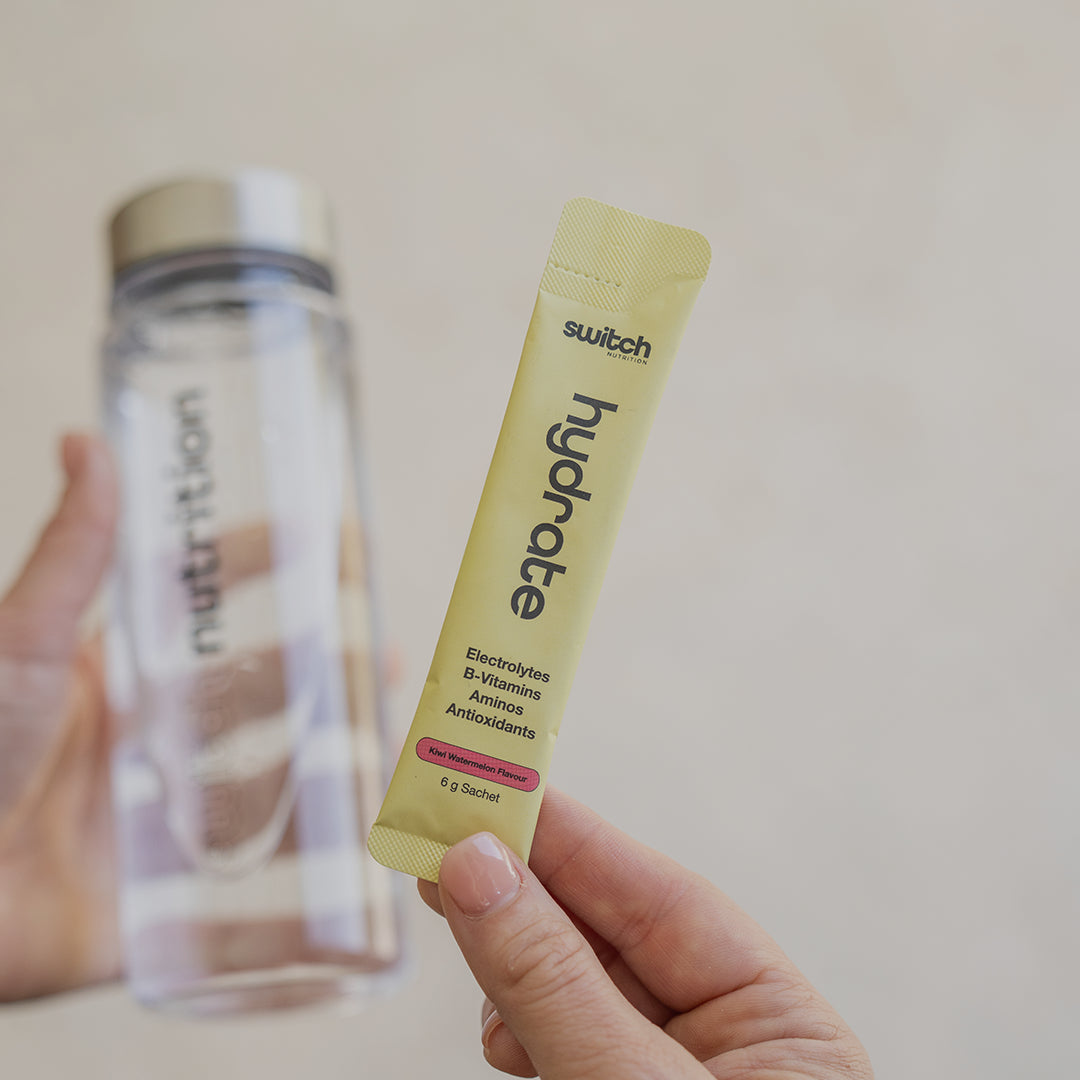
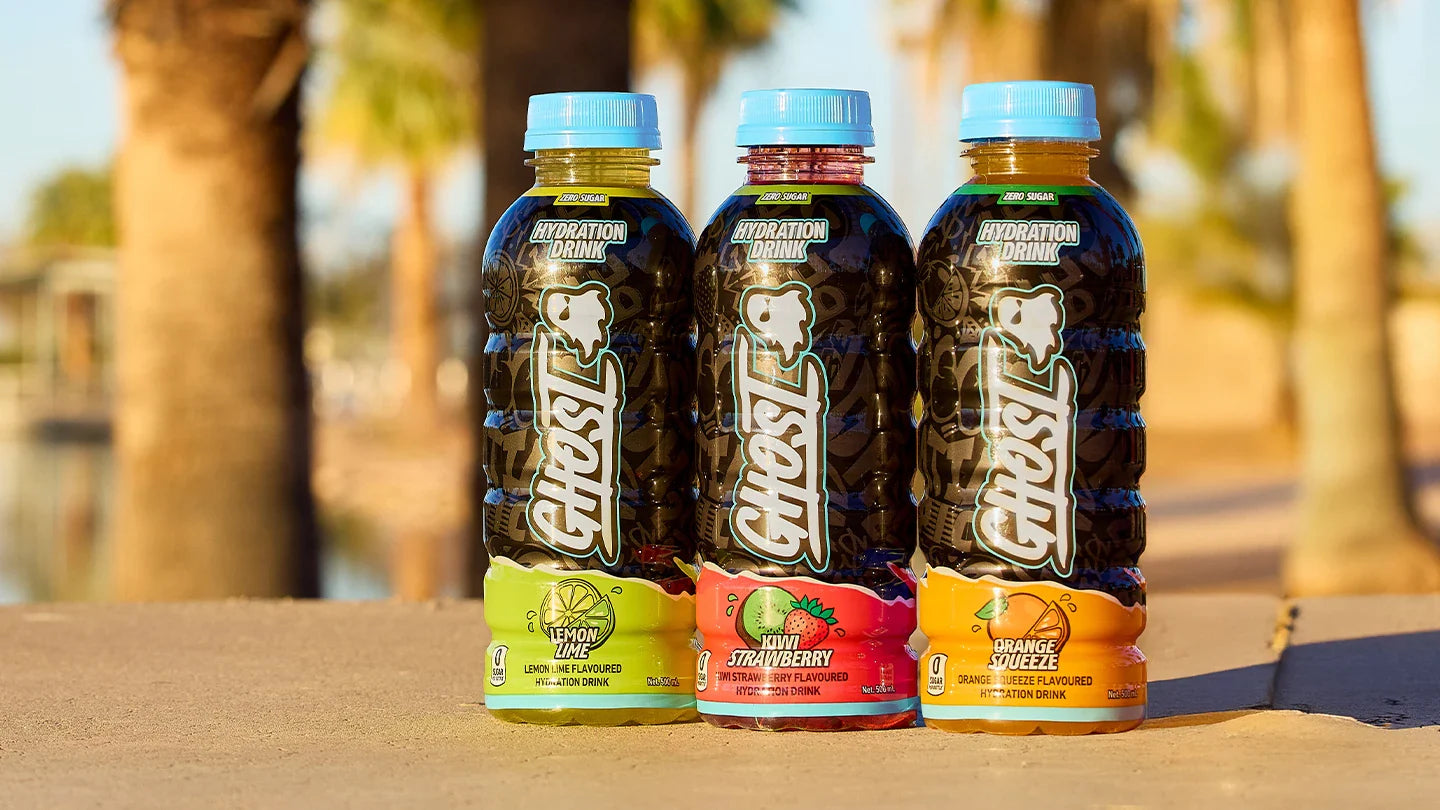
Many athletes rely on dedicated hydration formulas from our Electrolytes & Hydration Supplements Collection to maintain output across summer conditions.
Electrolyte supplements help:
• Maintain muscular endurance in the heat
• Reduce cramping risk
• Improve time to exhaustion
• Support cardiovascular output
• Enhance post-training rehydration speed
Hydration Timing for Summer Training
Hydration is not something you “fix” during or after your workout. It must be managed across the entire day.
Before training: Begin each session already hydrated. Clear or pale-yellow urine is a simple indicator of good hydration status.
During training: For sessions longer than 45–60 minutes or performed outdoors in heat, electrolyte fluid intake becomes increasingly important.
After training: Post-session hydration is about restoring both fluid and sodium losses so your next session doesn’t suffer.
The Recovery Challenge of Summer Training
Heat increases training stress even when sessions feel similar to winter effort. Core temperature rises faster, cardiovascular demand increases and muscle fatigue accumulates more rapidly. As a result, recovery requirements also rise.
Poor recovery shows up as:
• Lingering soreness
• Reduced motivation to train
• Declining strength levels
• Disrupted sleep
• Increased injury risk
This is why structured recovery becomes just as important as hydration during summer training blocks.
The Role of Amino Acids in Summer Recovery
Amino acids are the building blocks of muscle tissue. During training, muscle fibres are broken down and must be repaired through adequate protein and amino acid availability.
In summer, heat stress increases protein turnover and can accelerate muscle breakdown. Using intra-workout or post-workout amino acids becomes a highly effective way to support recovery between sessions.
Many athletes integrate products from our Amino Acids (EAAs & BCAAs) Collection to support muscle repair and reduce soreness during high-volume summer training.
EAAs vs BCAAs for Summer Training
BCAAs consist of three amino acids (leucine, isoleucine and valine) and are heavily involved in muscle protein synthesis and fatigue resistance. EAAs, or essential amino acids, provide all nine amino acids the body cannot manufacture on its own.
During summer, EAAs often provide superior recovery support because they supply a complete muscle repair profile, especially when calorie intake fluctuates due to heat or reduced appetite.
Hydration, Electrolytes and Muscle Cramping
Cramping is one of the most common summer training complaints. While dehydration plays a role, electrolyte depletion — particularly sodium and magnesium — is usually the primary driver.
Electrolyte supplementation supports:
• Proper nerve transmission
• Controlled muscle contraction
• Reduced neuromuscular fatigue
This is especially important for endurance athletes, HIIT training, CrossFit, outdoor sports and long gym sessions without air conditioning.
Summer Training and Cardiovascular Performance
In hot conditions, the heart must work harder to move blood to both working muscles and the skin for cooling. This elevated strain reduces absolute performance output and increases perceived effort.
Proper hydration and electrolyte balance maintains blood volume and stabilises heart rhythm, helping preserve endurance output and reduce early fatigue.
How Dehydration Impacts Strength and Power
Even mild dehydration of 1–2% bodyweight can reduce power output, bar speed, jump height and sprint performance. This effect is magnified in summer when sweat losses accumulate rapidly.
Maintaining hydration and electrolyte intake allows you to:
• Sustain higher training intensity
• Recover faster between sets
• Maintain coordination and balance
• Reduce central nervous system fatigue
Summer Training and Sleep Quality
High core temperatures and dehydration both disrupt sleep quality. Poor sleep directly impairs muscle recovery, hormonal balance and next-day performance.
Proper hydration, electrolyte replacement and post-training recovery support contribute to deeper sleep and more consistent recovery during hot nights.
How to Structure a Summer Training Support Stack
A simple and effective summer performance stack includes:
• Daily electrolyte hydration support
• Intra-workout or post-workout amino acids
• Adequate total daily protein intake
• Sufficient fluid intake across the day
This combination supports hydration, muscle repair, endurance output and nervous system recovery.
Outdoor Training in NZ Summer Conditions
New Zealand summers combine intense UV exposure with high humidity in many regions. Outdoor athletes face unique stressors including sun exposure, increased sweat rate and progressive fluid loss across long training days.
Hydrating proactively rather than reactively becomes essential in these conditions. Many athletes underestimate how much they sweat outdoors compared to indoor gym training.
Signs You’re Under-Hydrating in Summer
Common signs include persistent fatigue, dark urine, headaches, dizziness, recurring cramps, declining performance, and lingering muscle soreness. If these are present, hydration and electrolyte intake should be the first area to address.
Final Verdict: Summer Training Performance in NZ
Summer offers huge opportunities for progress, but only if hydration, electrolyte balance and recovery are dialled in correctly. Water alone is not enough when sweat losses rise and training load increases.
Electrolyte support preserves endurance, strength and cardiovascular output. Amino acids accelerate muscle recovery and reduce fatigue. Together, they form the backbone of smart summer training supplementation.
Conclusion
Summer training performance in NZ is built on three pillars: hydration, electrolyte balance and recovery support. When these are aligned, athletes maintain output, recover faster and remain consistent throughout the hottest months of the year.
By prioritising fluid intake, utilising targeted electrolytes and supporting muscle repair with amino acids, you give your body everything it needs to thrive under summer training demands.


Leave a comment
All comments are moderated before being published.
This site is protected by hCaptcha and the hCaptcha Privacy Policy and Terms of Service apply.