

Gut health plays a critical role in digestion, nutrient absorption, immune function, inflammation control, and physical recovery from training. When the gut is functioning at its best, the body becomes far more efficient at converting food into energy and repairing muscle tissue after exercise. When gut health declines, symptoms such as bloating, fatigue, poor recovery, and frequent illness often follow.
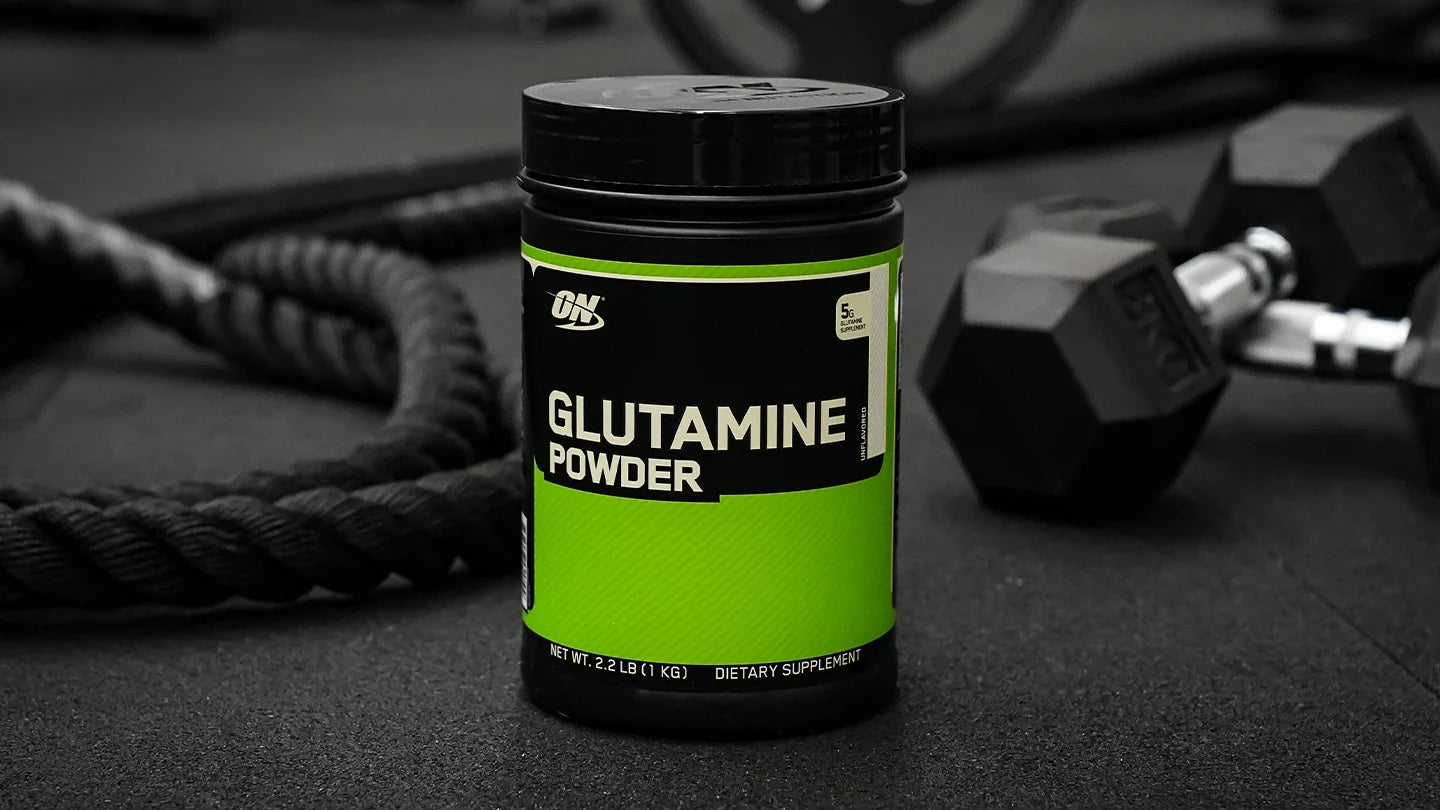
One of the most widely researched supplements for digestive and recovery support is L-glutamine for gut health. But what does L-glutamine actually do inside the body, and what happens if you take L-glutamine every day?

Why Gut Health Matters for Fitness and Recovery
Your digestive tract is responsible for breaking down food, absorbing nutrients, regulating immune responses, and preventing harmful pathogens from entering the bloodstream. For active individuals, gut health becomes even more important because intense training increases physical stress on the digestive lining.
Heavy exercise can temporarily increase intestinal permeability, reduce blood flow to the gut during training, and elevate cortisol levels. When this stress accumulates without proper nutritional support, digestion can suffer and recovery slows. This creates a feedback loop where poor gut function begins to affect energy levels, muscle repair, hydration balance, and immune resilience.
What Is L-Glutamine?
L-glutamine is the most abundant amino acid found in human muscle tissue and blood plasma. It is classified as a conditionally essential amino acid, meaning the body can normally produce enough of it under low-stress conditions. However, during periods of intense exercise, illness, calorie restriction, injury, or psychological stress, the body’s demand for glutamine can exceed its natural production capacity.
Glutamine is heavily utilised by intestinal cells, immune cells, and muscle tissue. This unique overlap is what allows a single supplement to support both digestive health and physical recovery at the same time.
What Does L-Glutamine Do for Gut Health?
The cells that form the lining of your digestive tract rely on glutamine as their primary fuel source. Without adequate glutamine, the structural integrity of the gut lining can weaken. This can allow partially digested food particles, bacteria, and toxins to cross into the bloodstream — a process commonly associated with increased intestinal permeability.
L-glutamine supports gut health by strengthening the intestinal barrier, enhancing cellular repair, reducing localised inflammation, and improving overall nutrient absorption. By directly nourishing the gut lining, glutamine helps restore stability to the digestive system, which can reduce symptoms such as bloating, irregular bowel movements, food sensitivities, and persistent abdominal discomfort.
This is why many athletes and health-focused individuals choose to support their digestion with a daily glutamine supplement sourced from a reliable range such as ASN's L-Glutamine Supplements Collection.
What Happens If I Take L-Glutamine Every Day?
Daily L-glutamine supplementation is considered safe for healthy individuals when used within standard dosage ranges. In fact, consistent daily intake is often the most effective way to experience noticeable improvements in both digestive comfort and physical recovery.
With regular use, many people experience smoother digestion, reduced bloating, improved gut tolerance to a wider range of foods, and greater immune resilience. From a performance perspective, daily glutamine intake can support faster muscle repair, reduced post-training soreness, improved hydration at a cellular level, and lower risk of immune suppression during hard training blocks.
Because glutamine stores can be depleted through intense training, dieting, illness, and stress, replenishing levels daily helps maintain stability across both the gut and muscular systems.
L-Glutamine and Muscle Recovery
Beyond its effects on digestion, L-glutamine plays a key role in muscle tissue recovery. During prolonged or high-volume training, the body rapidly consumes available glutamine to support immune defences and tissue repair. When levels drop too low, muscle soreness intensifies and recovery speed declines.
By sustaining glutamine availability, supplementation can help reduce delayed onset muscle soreness, support faster tissue repair, and protect against excessive immune suppression during demanding training cycles. This makes glutamine particularly useful during competition prep, cutting phases, or periods of high weekly training volume.
L-Glutamine and Immune Support
Immune cells depend heavily on glutamine for energy. When glutamine availability becomes limited, immune function weakens and the risk of illness increases. This is why athletes often experience infections during periods of extreme physical stress.
Daily glutamine supplementation provides the immune system with a steady fuel source, helping maintain white blood cell activity and strengthening the gut-associated immune barrier that forms the body’s first line of defence.
How to Use L-Glutamine for Gut Health
For digestive support, L-glutamine is most commonly taken on an empty stomach to maximise its delivery to the gut lining. Many people use between 5g and 10g per day, either split across two doses or taken at one time depending on tolerance and training schedule.
Consistency is more important than timing. Daily use over weeks or months is what allows the gut lining to strengthen and regenerate fully.
Should You Cycle L-Glutamine?
Unlike stimulant-based supplements, L-glutamine does not require cycling for most users. Many people take it year-round for continuous digestive, immune, and recovery support. Some individuals choose to increase their intake temporarily during heavy training phases, calorie deficits, digestive flare-ups, or periods of illness.
L-Glutamine vs Superfoods for Gut Health
Superfoods such as greens powders, fermented foods, prebiotics, and probiotics support gut health by feeding beneficial bacteria and supplying antioxidants and digestive enzymes. L-glutamine works differently by directly repairing and strengthening the physical structure of the gut lining itself.
For optimal digestive support, many people combine both approaches — using superfoods to support the microbiome and targeted supplements to restore the gut lining.
Who Should Consider Taking L-Glutamine?
L-glutamine is particularly well suited for athletes, gym-goers, people with ongoing digestive discomfort, individuals under high physical or mental stress, and those in calorie deficit phases where recovery capacity is reduced.
Choosing a Quality L-Glutamine Supplement
When selecting a glutamine supplement, purity, dosage accuracy, and mixability all matter. A well-formulated option ensures consistent daily intake and better digestive tolerability. If you’re looking for quality-tested options in New Zealand, the ASN's L-Glutamine Supplements Collection provides access to a wide range of trusted brands.
Final Verdict: Is L-Glutamine Worth It for Gut Health and Recovery?
L-glutamine is one of the few supplements that offers meaningful benefits for both digestion and physical recovery. By strengthening the intestinal lining, supporting immune resilience, and accelerating muscle repair, it delivers value across multiple performance and health systems.
When taken consistently, L-glutamine can contribute to better digestion, improved training recovery, stronger immunity, and greater overall physical resilience.
Conclusion
Gut health and performance are inseparably linked. When digestion suffers, energy levels fall, immune defences weaken, and recovery slows. L-glutamine provides targeted support to both the gut lining and muscular system, making it one of the most versatile recovery and wellness supplements available for active individuals.


Leave a comment
All comments are moderated before being published.
This site is protected by hCaptcha and the hCaptcha Privacy Policy and Terms of Service apply.