

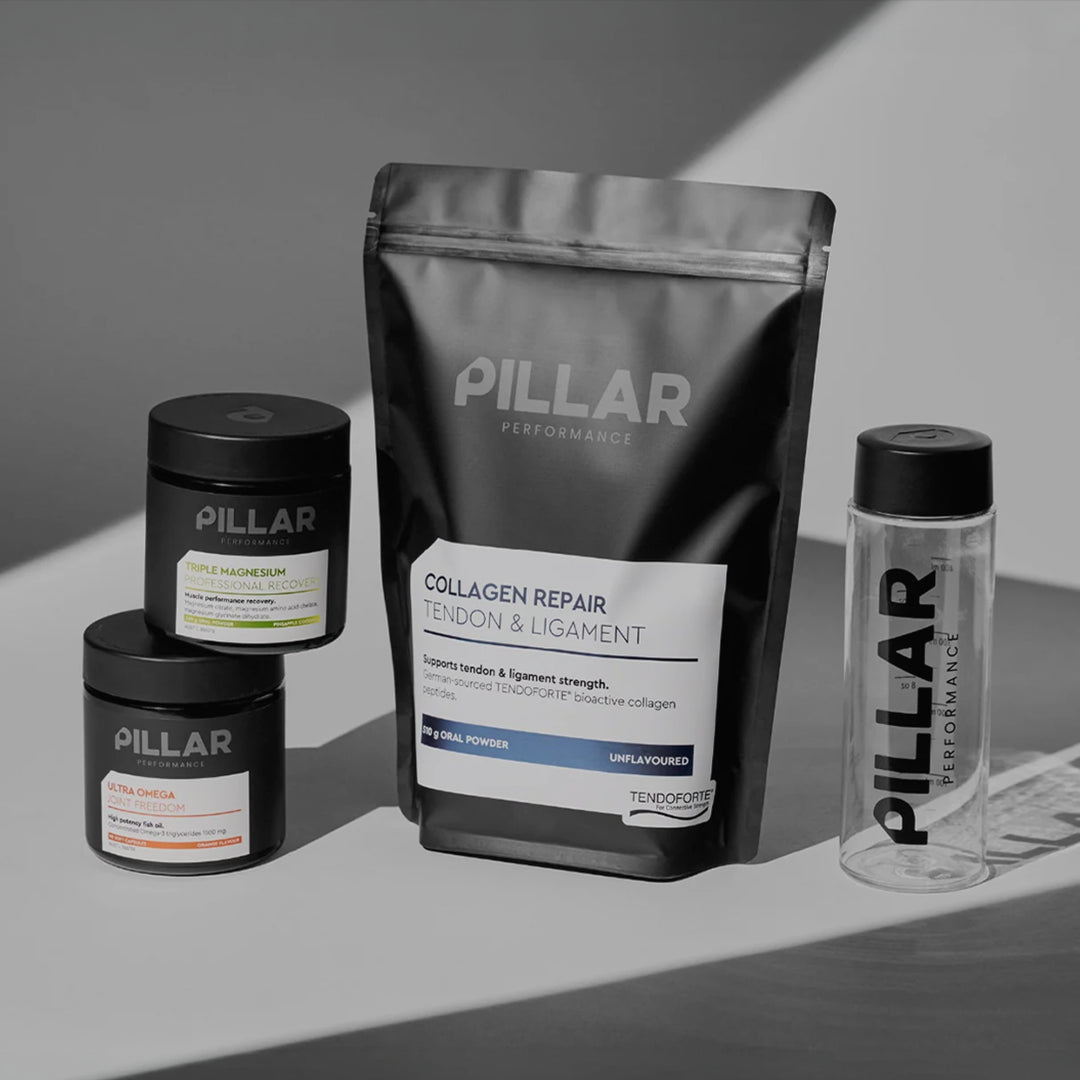


When it comes to muscle recovery, amino acids play a critical role in repairing damaged muscle tissue, reducing soreness, and supporting overall performance. Among the most talked-about supplements are branched-chain amino acids (BCAAs) and essential amino acids (EAAs). While both are popular in the fitness world, understanding the difference between BCAAs vs EAAs for muscle recovery can help you choose the most effective option for your training goals.
This guide breaks down how BCAAs and EAAs work, their benefits for recovery, and which option may be better suited to your needs.

What Are Amino Acids and Why Do They Matter for Recovery?
Amino acids are the building blocks of protein and are essential for muscle repair and growth. After training, muscles experience microscopic damage that must be repaired before they can grow stronger. Amino acids support this repair process by stimulating muscle protein synthesis, reducing muscle breakdown, and aiding recovery.
There are 20 amino acids used by the body, nine of which are considered essential amino acids because they cannot be produced internally and must be obtained through food or supplementation.
What Are Branched-Chain Amino Acids (BCAAs)?
BCAAs consist of three essential amino acids: leucine, isoleucine, and valine. These amino acids are unique due to their branched molecular structure and are metabolised directly in the muscle rather than the liver.
Leucine is the standout among the three, as it plays a key role in triggering muscle protein synthesis. Because of this, BCAAs have long been marketed as a supplement to reduce muscle soreness, limit muscle breakdown, and support recovery during intense training periods.
Benefits of BCAAs for Recovery
- May help reduce muscle soreness after workouts
- Can support muscle protein synthesis through leucine
- Useful during fasted training or calorie-restricted diets
- May help reduce muscle breakdown during long or intense sessions
Do BCAAs Actually Help Muscle Recovery?
BCAAs can help muscle recovery to a degree, particularly when dietary protein intake is low or when training fasted. Research suggests that leucine plays a direct role in activating muscle protein synthesis, which is essential for recovery.
However, muscle repair requires more than just three amino acids. While BCAAs can help initiate the recovery process, they do not provide all the components needed to fully rebuild muscle tissue on their own.
What Are Essential Amino Acids (EAAs)?
Essential amino acids include all nine amino acids the body cannot produce on its own. These include leucine, isoleucine, valine, lysine, methionine, phenylalanine, threonine, histidine, and tryptophan.
EAAs provide a complete profile needed for muscle protein synthesis, making them a more comprehensive option for recovery support. Because they include BCAAs as well as the remaining essential amino acids, EAAs support both the initiation and completion of the muscle repair process.
Benefits of EAAs for Muscle Recovery
- Provide all essential amino acids required for muscle repair
- Support full muscle protein synthesis, not just stimulation
- May improve recovery between training sessions
- Helpful during calorie deficits or intense training blocks
BCAAs vs EAAs for Muscle Recovery: Key Differences
When comparing BCAAs vs EAAs for muscle recovery, the biggest difference lies in completeness. BCAAs focus on three amino acids, while EAAs deliver the full set required for muscle repair.
BCAAs may help kick-start protein synthesis, but without the remaining essential amino acids, the body cannot fully complete the recovery process. EAAs, on the other hand, supply everything needed to repair muscle tissue efficiently.
Is BCAA or EAA Better for Recovery?
For most people, EAAs are the better choice for recovery. They provide all essential amino acids, including BCAAs, making them more effective at supporting muscle repair and reducing recovery time.
BCAAs may still have a place for specific situations, such as fasted training or when protein intake is limited. However, if your goal is optimal recovery, EAAs offer broader support and greater overall benefit.
What's Better, Branched-Chain Amino Acids or Essential Amino Acids?
From a recovery standpoint, essential amino acids are generally superior. They support the full muscle-building process rather than just initiating it. EAAs are particularly beneficial for athletes training frequently, those in calorie deficits, or anyone looking to maximise recovery between sessions.
BCAAs can still be useful, but they work best when combined with adequate dietary protein or as part of a larger nutrition strategy.
When Should You Take BCAAs or EAAs?
Both BCAAs and EAAs can be taken before, during, or after training. EAAs are especially effective post-workout when muscle repair is most active. They can also be taken between meals to support amino acid availability throughout the day.
BCAAs are commonly used intra-workout, particularly during long sessions or endurance-style training.
Can You Get Enough Amino Acids from Food Alone?
Whole food protein sources such as meat, dairy, eggs, and plant-based proteins provide essential amino acids. However, supplementation can make it easier to meet recovery needs, especially during heavy training periods or when appetite is low.
Amino acid supplements offer fast absorption and convenience, making them a practical addition to a well-rounded nutrition plan.
Choosing the Right Amino Acid Supplement
When selecting an amino acid supplement, consider your training volume, recovery demands, and overall protein intake. If recovery is your priority, essential amino acids are often the most effective option.
You can explore a wide range of amino acid supplements, including BCAAs and EAAs, by visiting our amino acids collection.
Final Thoughts on BCAAs vs EAAs for Recovery
Both BCAAs and EAAs can support muscle recovery, but they are not equal. BCAAs may help reduce soreness and initiate muscle protein synthesis, while EAAs provide the complete profile needed for full muscle repair.
For most athletes and gym-goers, essential amino acids offer a more effective and efficient approach to recovery. Choosing the right amino acid supplement can help you recover faster, train harder, and get more out of every session.


Leave a comment
All comments are moderated before being published.
This site is protected by hCaptcha and the hCaptcha Privacy Policy and Terms of Service apply.